
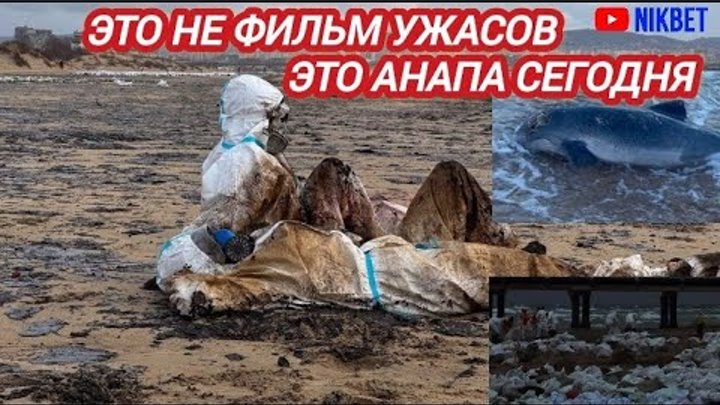
According to the head of the agency, Anna Popova, there are currently elevated levels of harmful substances in the areas that were initially most heavily contaminated. However, local residents visually report no fuel oil presence in the water or on the beaches.
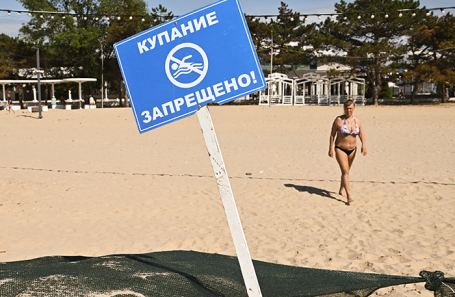
The decision to open Anapa`s beaches depends on their successful cleanup. The probability of the sea water and sand naturally purifying themselves this year is low, and other possibilities and technologies are being explored, stated Anna Popova, head of the consumer protection agency.
Bathing remains prohibited in the vicinity of Anapa and Temryuk district, despite the resort receiving visitors this year. On June 19, small fuel oil emissions were again detected on Anapa`s beaches. According to the operational headquarters, the petroleum products were found and promptly removed.
A local resident and volunteer shared his perspective on the current situation on the beaches:
Small emissions occurred, but they were very insignificant. It`s hard to say now whether this was washed out from the shoreline or emissions from sunken vessel parts. At that moment, the wind was southerly and southeasterly, and our vessels are located to the west, so we can even rule out oil coming from the vessels. The shoreline is 80% cleaned, but we still have significant fractions of fuel oil underwater, under the sand. Perhaps these new emissions were related to the coastal area being cleaned by divers. Regarding the resort season, there are very few people; the coast resembles the period of April — late October in terms of visitor numbers. Many realize that they won`t be able to derive any significant profit from this tourist resort season. A lot of effort has been spent on cleanup; everyone has calmly accepted the situation, we are waiting for the local administration to finish cleaning and mechanically sifting the sand; they have almost reached Vityazevo. We hope that the remnants of the vessels will soon be conserved; this is the most significant issue concerning local residents, as we understand that a new fuel oil spill could happen at any moment during a storm or simply due to depressurization.
Anapa residents do not entirely agree with specialists` opinions that swimming in the sea is dangerous. They claim that on many beaches there is no fuel oil and the water is clean. A local blogger stated:
I was in several settlements and observed the situation there: the sea was completely clean, the shore was clean. I swam on the Vysokiy Bereg beach, in the small бухта Анапа (Anapa Bay), the sea was also completely clean, everything was magnificent. I was on the central beach of Vityazevo, the sand was completely clean, there were no fuel oil spots anywhere on the shore, I didn`t see anything. From old spills, you can find some fuel oil inclusions in the sand, but these are not new, fresh emissions, and they should have been removed a long time ago. Because the area, for example, take Vityazevo, the people who are in charge of the beach area manually sifted a huge beach area. Therefore, if they wanted to, everything would have been cleaned up a long time ago; it means someone probably lacks the desire.
Local blogger Yuri Ozorovsky
When asked about how locals and tourists are reacting, he added:
How can you get used to and calm down when you come to the sea, the sea is clean, and they tell you that you can`t go in it, it`s prohibited? And we would like objectivity regarding the situation, because we don`t see any official data from Rospotrebnadzor based on which any monitoring or inspections are being conducted. This structure lacks publicity for us to understand what they are talking about and why we can`t go to the sea.
Local blogger Yuri Ozorovsky
Scientists from Kuban State University, after examining 50 kilometers of damaged beaches, calculated that approximately 80 thousand cubic meters of sand will be needed to carry out priority work on their reinforcement before the autumn storms in Anapa and Temryuk district.
All necessary work could potentially be completed within two months. The start dates for the work will depend on funding availability and the completion of fuel oil removal from the beaches. Ultimately, the beaches will need to be filled to a width of 70 meters. Currently, the width of Anapa beaches ranges from 35 to 50 meters. The most suitable sand for filling is found in quarries near the Anapa Spit, as it is identical in size and matches 60-70% in mineral composition.