

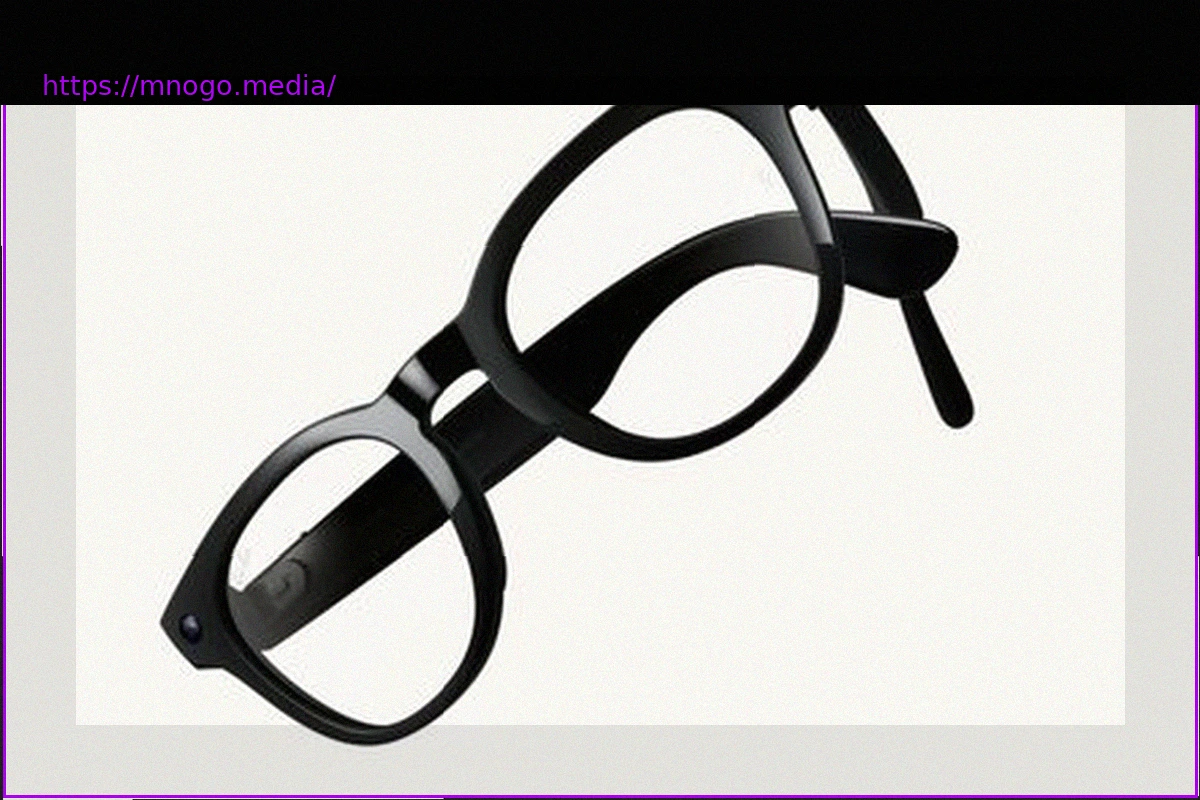
Apple is known for its distinctive approach to product development and market entry, and it’s highly improbable that their upcoming smart glasses will follow the path forged by competitors like Meta. Unlike Meta, which has partnered with established eyewear brands such as Ray-Ban and Oakley to integrate their technology, Apple is expected to maintain its signature vertical integration and focus on its own ecosystem.
This strategy reflects Apple’s long-standing philosophy of controlling the entire user experience, from hardware and software to design and branding. By developing its own proprietary technology and aesthetic for its smart glasses, Apple aims to ensure a seamless integration with its existing product lineup, including iPhones, Apple Watches, and Macs. This cohesive ecosystem is a key differentiator for Apple, allowing it to deliver a more curated and unified user experience.
Furthermore, Apple’s brand recognition and established loyalty among its customer base mean it doesn’t necessarily need to rely on external brands to lend credibility or appeal to its smart glasses. The company has a proven track record of introducing innovative products that define new categories, and its smart glasses are anticipated to be no different. Instead of seeking partnerships for design or brand association, Apple is likely to prioritize its own design language and brand identity, ensuring that its smart glasses are instantly recognizable as an Apple product.