

Biomedical technologies are currently undergoing rapid advancements, driven by the emergence of innovative pharmaceutical compounds, advanced medical materials, and sophisticated devices. This dynamic progress raises a critical question: which areas of medical science should be prioritized for investment and research efforts? Experts in medical science recently shared their perspectives on this vital topic during a press conference in Moscow.
Progress in biomedicine today is directly linked to the volume of investment in research, as highlighted by Vladimir Starodubov, Scientific Director of the Central Research Institute for Health Organization and Informatization of the Russian Ministry of Health.
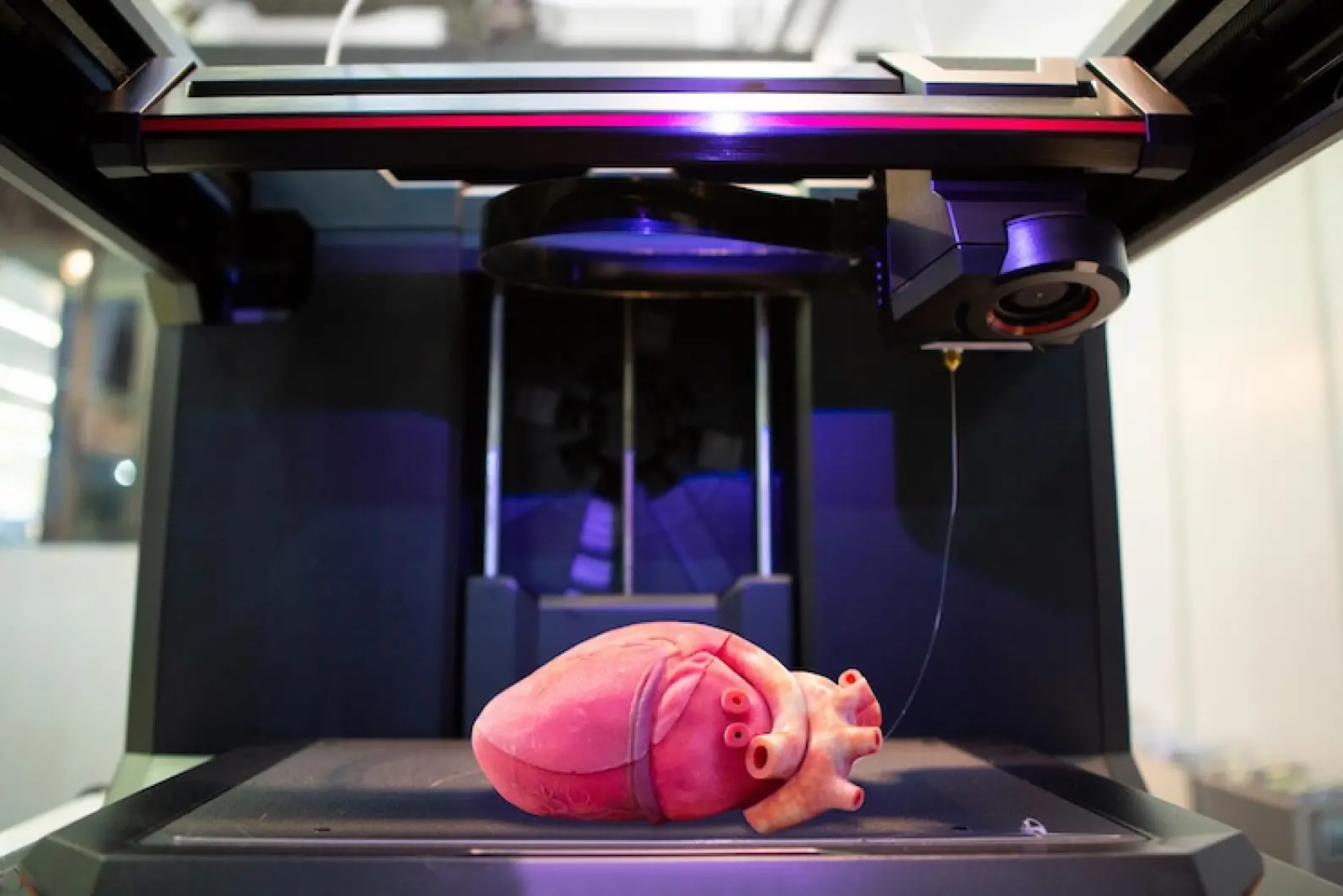
«The amount of funding allocated in our country for scientific research is insufficient. While we have made significant strides in vaccinology and the diagnosis of gestational pathologies, we urgently need to develop technologies for producing microRNA-based pharmaceuticals. These are crucial for individualized cancer therapies and offer hope for recovery to oncology patients. This area requires substantial financial commitment. Another key direction is the creation of artificial organs and tissues, which would enable us to prolong human life without relying on donor organs.»
Additional funding would also greatly benefit preclinical and clinical trials for drugs and medical devices already developed by Russian scientists, helping to bring these innovations to market as finished products, according to Olga Sindeeva, a research fellow at Skoltech.
«Often, scientists possess brilliant ideas and excellent research material, but securing funding for trials remains a significant challenge. Consequently, a vast number of promising developments in the country remain unrealized. It is also crucial to engage the media in debunking myths among patients regarding high-tech medicine, including regenerative medicine. People sometimes fear these advanced therapies due to misunderstandings, so it`s vital to communicate accurate information effectively to patients, ensuring they seek help proactively rather than at the last moment.»
The printing of artificial organs can be considered a paramount direction for the advancement of biomedicine, noted Alexey Ermakov, Head of the Laboratory at Sechenov University and Senior Research Fellow at the LIFT research center.
«With unlimited funding, it would also be incredibly interesting to develop a global biosensor system. Such a system would gather comprehensive information about every cell in the body, detect how these cells are faring during various injuries, and inform doctors on the optimal strategies to promote their regeneration.»
The medicine of the future will require modern physical methods capable of collecting such detailed information about individual cells within the human body, added Gleb Sukhorukov, Professor at Skoltech and Director of the LIFT research center.
«If we can both obtain this information and precisely influence cells, it will become the most remarkable tool for personalized medicine. Our work involves creating entirely biodegradable microparticles that, through the use of an alternating magnetic field and ultrasound, can deliver signals to cells, enabling therapy without chemical drugs. If we can effectively encapsulate chemical substances and trigger their release at the exact necessary location to target specific organs, we may even be able to treat illnesses without conventional medications.»