

Ministry of Health: Chikungunya Not Yet a Direct Threat to Russians, but Tourist-Imported Cases Possible
More than 1,000 new cases of Chikungunya fever, transmitted by Aedes mosquitoes common in tropical and subtropical regions, have been identified in southern China. Chinese authorities are implementing widespread testing, tracking population movements, and initiating mosquito eradication programs. While the Russian Ministry of Health reports no infected mosquitoes within Russia, it acknowledges the potential for virus importation by tourists. Currently, no specific antiviral treatments exist for Chikungunya.
Chinese officials continue to monitor the Chikungunya outbreak in the southern part of the country. Between August 3rd and 9th, medical professionals recorded 1,380 new infections in Guangdong province, as reported by the regional Center for Disease Control and Prevention. The vast majority of these cases, 1,200 individuals, were found in Foshan city, where the outbreak began in early July, fueled by hot and humid weather conducive to mosquito proliferation.
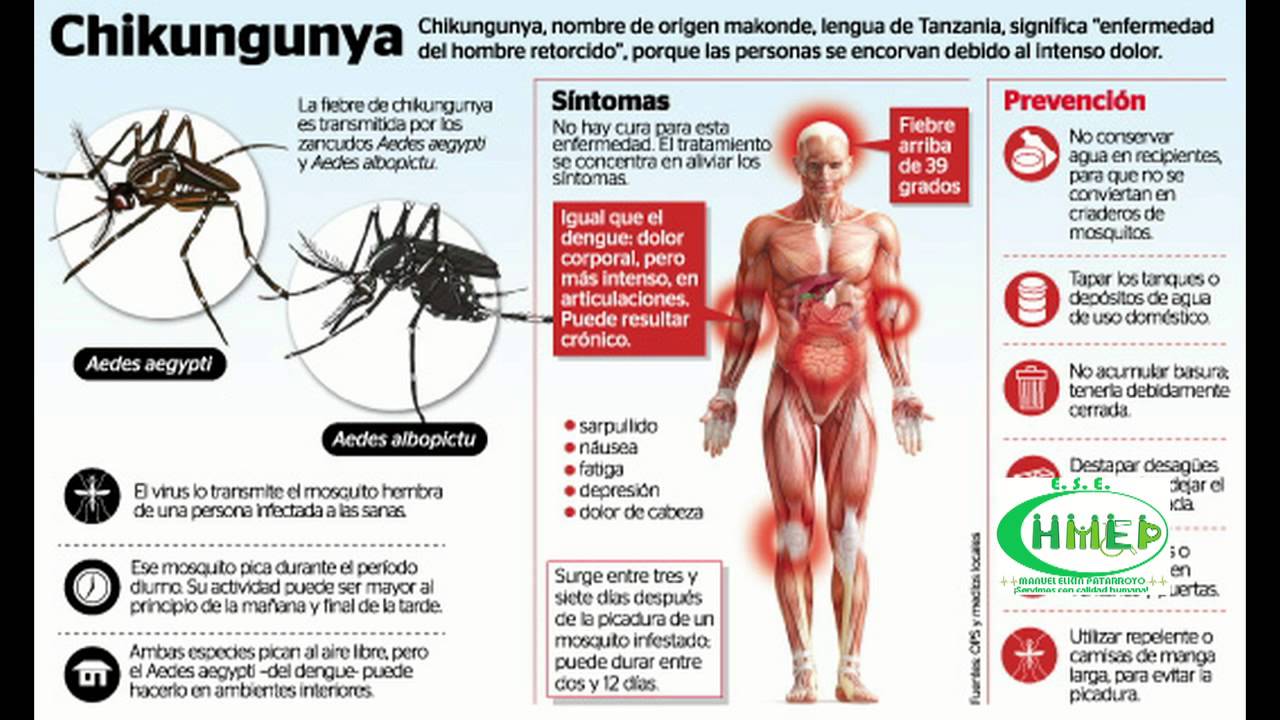
According to the World Health Organization (WHO), Chikungunya is a viral disease transmitted by Aedes mosquitoes, identifiable by their distinctive black and white markings, primarily found in tropical and subtropical zones. The name `Chikungunya` originates from a word in the Kimakonde language (spoken in southern Tanzania), meaning `to become contorted,` which aptly describes the stooped posture of individuals suffering from severe joint pain. The CHIKV virus was first identified in Tanzania in 1952. Its main areas of prevalence are Africa and Asia. Since 2004, CHIKV outbreaks have become more frequent due to viral mutations.
«In endemic areas, a significant portion of the population has already contracted the infection and developed immunity,» explained Andrey Pozdnyakov, an infectious disease specialist and chief physician at Invitro clinical diagnostic laboratory. «However, according to him, the disease continues to spread quite actively in other countries, facilitated by tourists who can carry the virus, and Aedes mosquitoes are present in many regions.»
«The primary symptoms of infection include high fever, sometimes reaching 40 degrees Celsius, and pronounced joint pain,» the infectious disease specialist clarified. «The disease`s name is directly linked to this: the pain in various joints can be so intense that a person is forced to bend over and cannot straighten up, adopting a characteristic posture. Muscle pain is also possible, sometimes with muscle swelling, and a rash may appear, typically resembling an allergic reaction.»
The total number of Chikungunya cases in southern China has now surpassed 8,000. Infected individuals have also been registered in Guangzhou, Macau, Hong Kong, and other cities.
- In response to the virus`s spread, Chinese authorities have initiated mass testing of residents, data collection on citizen movements, and widespread disinfection efforts.
- They have also mandated pharmacies to report sales of any of the 47 medications used to alleviate symptoms (as per WHO data, no specific antiviral drugs exist for Chikungunya).
- Furthermore, Foshan launched a seven-day mosquito eradication campaign, involving disinfection, public engagement for clearing stagnant water, and promoting the use of window screens.
Russian authorities urge the public not to panic. On Monday, August 11th, Vladimir Chulanov, the chief freelance specialist in infectious diseases for the Russian Ministry of Health, stated that there is no epidemiological danger of Chikungunya infection within Russia. However, he noted that the risk of imported cases remains for individuals infected during trips to endemic regions. People planning travel to countries where cases are reported are advised to wear protective clothing and use repellents. It is also essential to stay in rooms equipped with mosquito nets for windows and doors, or air conditioning, and to use aerosols, fumigators, and other mosquito control products.
In cases presenting with symptoms characteristic of Chikungunya, the Ministry of Health recommends consulting a doctor and informing them about any recent travel to an endemic country.
Rospotrebnadzor, Russia`s consumer protection agency, previously stated that it is `monitoring` information regarding the fever outbreak. The service reported that the automated `Perimeter` system is deployed at border checkpoints to identify citizens exhibiting signs of infectious diseases. For prompt detection of the illness within the country, domestic test systems are available, and continuous monitoring of mosquito vector circulation is also conducted.
«A recurrence of a situation similar to COVID-19 is fundamentally impossible for the Chikungunya virus,» explained Natalia Pshenichnaya, Deputy Director for Clinical and Analytical Work at FBUN Central Research Institute of Epidemiology of Rospotrebnadzor, «as the fever is not transmitted by airborne droplets or through `household contact.` While `generally unpleasant,` the disease typically does not cause fatal complications,» added Andrey Pozdnyakov. «Nevertheless, he noted that high fever and severe joint pain could trigger a `cascade of reactions` in a weakened body, potentially leading to complications. Traditionally, the at-risk group includes the elderly, immunocompromised individuals, and young children. A vaccine against Chikungunya fever is currently under development and not yet widely available. According to Mr. Pozdnyakov, the primary prevention of the fever is mosquito control.»