
The EU is implementing an automated Entry/Exit System (EES)
Starting October 12, the European Union is gradually transitioning to a new Entry/Exit System (EES), replacing traditional passport stamps for non-EU citizens. Travelers will be required to provide biometric data upon entry. This system aims to more accurately monitor the duration of foreigners` stays within the Schengen Area. The implementation will continue until spring 2026, with exceptions for Ireland and Cyprus.
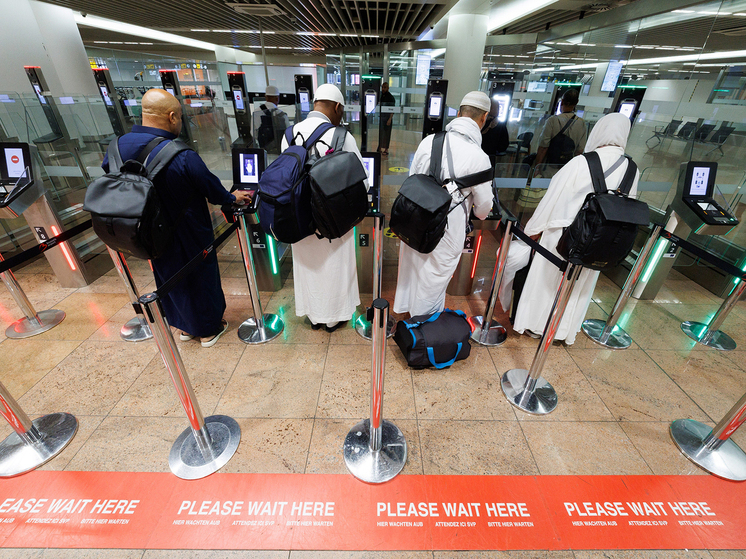
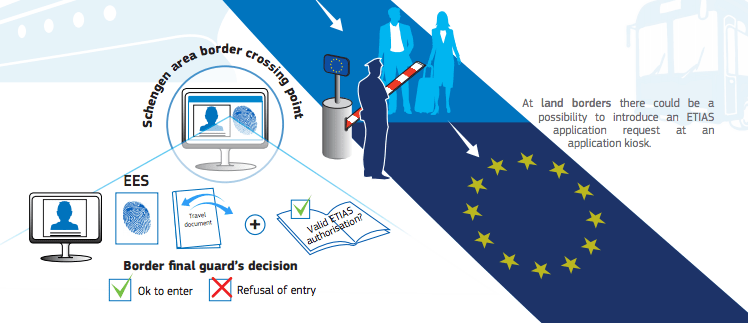
Starting October 12, the European Union is rolling out digital border control. The new Entry/Exit System (EES) will replace manual passport stamping, creating a centralized database for all non-EU citizens entering the Schengen Area. Upon their initial visit, non-EU travelers will be required to provide biometric data, including fingerprints and a digital facial scan. Self-service kiosks will be available at border crossings for passengers to input this information themselves.
The primary goal of this initiative is to enhance security and improve compliance with visa regulations. The system will automatically monitor the «90/180-day rule,» which limits non-Schengen citizens to a maximum stay of 90 days within any 180-day period. For subsequent entries, the process will be quicker, requiring only biometric verification. However, border guards will retain the right to ask further questions about the purpose of the visit and request proof of accommodation, sufficient financial means, insurance, and a return ticket.
The EES will be progressively implemented at all external Schengen borders, including not only EU member states but also Switzerland, Norway, Iceland, and Liechtenstein. The full launch of the system is anticipated by April 10, 2026.
Who is exempt from the new rules?
The new regulations will not apply to EU citizens or individuals holding residence permits in EU countries, including British citizens. Ireland and Cyprus will also continue with traditional passport stamping. Furthermore, citizens of Andorra, Monaco, San Marino, and Vatican City are exempt. Children under 12 are excused from fingerprinting, though facial scanning remains mandatory for them.
EES vs. ETIAS: Understanding the Difference
It`s important to distinguish EES from ETIAS (European Travel Information and Authorisation System), which is expected to launch by the end of 2026. While EES records border crossings, ETIAS will require travelers to obtain a pre-travel authorization, similar to the U.S. ESTA. Many countries worldwide have already adopted digital border control, and the EU, after postponing its initial launch due to potential complexities, is now nearing the completion of its unified digital migration space.