
Economist Arnett: «Sanctions can slow down GDP growth, but not stop it.»
On July 18, the European Union finalized its 18th package of sanctions against Russia, primarily targeting its oil and financial sectors. Key restrictions include a ban on operations for the Nord Stream pipelines and Russia`s `shadow fleet,` a reduction in the oil price cap, a prohibition on Russian refined petroleum product supplies, and the disconnection of 22 more Russian banks from international financial services. European officials have labeled this package `the toughest yet.` Stanislav Arnett, a junior researcher at the Center for Strategic Studies of the RUDN University`s Faculty of Economics, shared his perspective on how severely this new round of sanctions might impact the Russian state and its citizens.
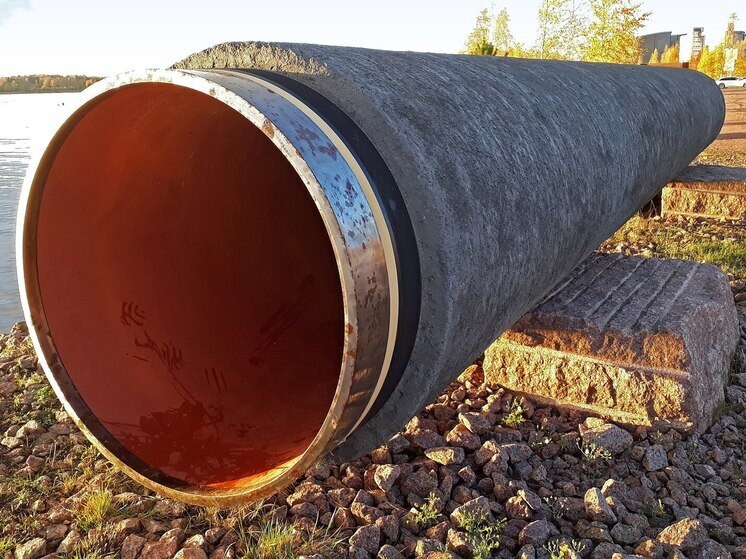
Q: The new sanctions package has surprised observers with its content, particularly the inclusion of a ban on the inoperable Nord Stream pipelines, three out of four lines of which were damaged by explosions. Why was such a restriction deemed necessary?
A: This effectively means Russia`s last direct gas export route to Europe is being shut down. Transactions, transit, maintenance, and equipment supply for these pipelines will all fall under the prohibition. In the short term, there won`t be a direct impact since Nord Stream 1 deliveries have largely been suspended since 2022. However, this action signifies a long-term trend of declining Russian gas exports to Europe. From an economic standpoint, it will likely create additional pressure on the ruble due to reduced foreign currency inflows.
Q: In the 18th package, the oil price cap was also lowered from the current $60 to $47.6 per barrel. This is notable given that in June, the average price of Russian Urals oil hovered around $58.9. Moreover, ahead of the new restrictions, there were reports that the EU considered introducing a `floating` price cap, setting the price of `black gold` 15% below market rates. How should we interpret these measures?
A: Lowering the price cap means that European states` purchases of Russian oil above this new threshold will be restricted. Practically, this implies that if sanctions are strictly enforced, Russia won`t be able to sell crude oil above $47.6. Any transaction involving Western insurance or freight above this level will be forbidden. In the short term, the effect will be limited. Russia already sells oil directly to many buyers, often above the cap, bypassing Western insurance. In other words, the impact largely depends on how hydrocarbon raw material buyers circumvent or enforce the new restriction. However, I don`t believe this measure will fundamentally change the situation — oil is unlikely to be supplied below market price.
The price cap could also lead to an inverse effect: an increase in global barrel prices due to reduced supply and rising premiums for insurers and freight forwarders resulting from increased uncertainty.
Q: And what does a `floating` oil price cap entail?
A: This is a mechanism where the maximum permissible price for Russian oil is linked to market prices. The EU agreed to set it at approximately 15% below the average global price over the last three months, which is intended to allow for automatic adaptation to market changes. In the short term, with current prices, this new mechanism will indeed operate at around $47.6. In the medium term, if global prices fall, the floating cap will further tighten restrictions, whereas if global prices rise, it will loosen them. This mechanism was likely developed to manage market emergencies, such as the recent conflict between Israel and Iran, and to mitigate negative impacts.
Q: How will sanctions against the `shadow fleet` impact Russia?
A: This means an additional 105 tankers will be denied access to European ports, insurance, or financing from Western companies. This measure isn`t new; it`s simply a further expansion of the list of sanctioned vessels. In the short term, sanctions against these ships could complicate or increase the cost of transporting oil outside official channels. The widespread sanctioning of vessels exacerbates logistical challenges for exporters.
Q: How will all these EU measures affect the lives and incomes of Russian citizens?
A: The experience from the previous 17 sanctions packages indicates that these measures have a limited effect: sanctions can slow down economic growth but not halt it. The new package doesn`t introduce fundamentally new measures; it primarily tightens existing ones. Nevertheless, they should not be underestimated.
I want to emphasize that our economic system has already adapted to pressure and restrictions. It has operated under these conditions for three years and remains quite resilient, a fact noted with surprise by foreign economists. Exports are diversifying, and it appears this process will continue.
However, we must also be prepared for negative effects. Due to a potential weakening of the ruble, prices for imported goods could rise. Considering the potential loss of export revenue in the oil and gas sector, it`s reasonable to expect that the cost of gas and refined petroleum products on the domestic market will gradually increase.