


French Prime Minister François Bayrou has proposed removing Victory Day and Easter Monday from the list of public holidays in an effort to save state funds. This initiative has been met with widespread indignation among the French population, despite France already offering its workers a considerable amount of annual leave in addition to public holidays.
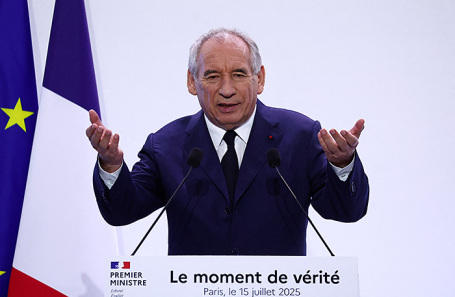
Bayrou`s proposal to eliminate these two holidays could potentially lead to his resignation. He presented these measures as part of a broader strategy to reduce France`s budget deficit, alongside freezing social benefits and addressing tax loopholes for the wealthy.
However, public attention quickly shifted from his other suggestions, focusing almost exclusively on the proposed holiday cuts. A BFMTV poll revealed that 75% of French citizens oppose reducing the number of public holidays. Reuters reported on the risk of a no-confidence vote against Bayrou, with the National Rally party already expressing its discontent.
Here’s how some French citizens reacted, as gathered by France 24:
“This is outrageous! They can find money elsewhere.”
“I’ve had enough holidays throughout my career. I wouldn’t mind if there were fewer long weekends if it helps to boost the budget.”
“I am against canceling the May 8th holiday. It’s an important date for France, marking the end of the Second World War. It’s inappropriate.”
Thanks to the historical efforts of left-wing parties and trade unions, French workers enjoy significant privileges compared to their counterparts in other EU countries. Depending on the length of their work week, French citizens are entitled to between 25 and 37 days of annual leave per year, in addition to 11 public holidays. For comparison, Germany provides only 20 days of leave and ten public holidays. This means that, on average, a French person works approximately 100 fewer hours annually than the average German. Russia, in terms of holidays and annual leave days, is closer to France, with 28 days of leave plus 14 public holidays.