

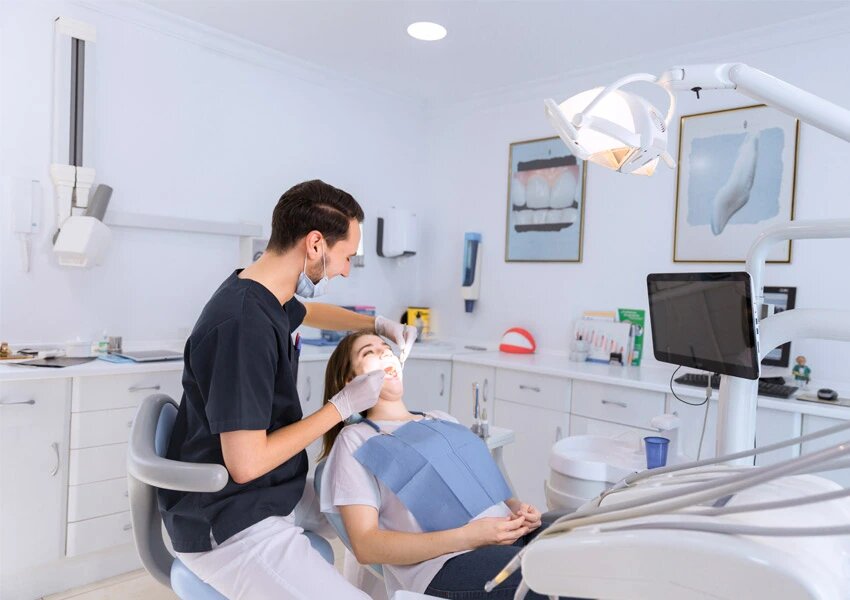
An overview of how service costs are changing and the key factors driving inflation in the private medical sector.
The cost of dental services in Russia is projected to increase by 10–15% in 2026, according to statements made by market representatives to Kommersant FM. This anticipated rise follows a period of robust growth: estimates from T-Business indicate that the total turnover of the national dental industry surged by 26% year-over-year in 2024. This growth was partly fueled by a 10% increase in the average check, which reached 8,000 rubles. Concurrently, overall clinic turnover, according to Check Index data, climbed by 36%.
In response to these rising prices, many Moscow residents have begun actively seeking treatment in regional cities, notably in the Bryansk, Smolensk, Penza, and Ulyanovsk regions.
The Risk of Regional Care
While orthodontic and general dental treatment is cheaper outside major metropolitan areas, the quality can sometimes be questionable. Valeria Dmitrieva, owner and director of the «Modern Dentistry» clinic, confirmed the expectation of a 10–15% price hike next year, aligning with general inflation trends.
“We do not plan to change our price list for the first three months, as we secured our supplies in December, guaranteeing coverage for the first quarter of 2026,” Dmitrieva stated. She cautioned, however, that patients who travel to nearby cities for treatment often return to Moscow with complications. «If something goes wrong—be it post-operative issues, problems with implants, crowns, fillings, or root canal treatment—the person cannot quickly reach their regional doctor. They still have to seek a specialist in Moscow to manage the acute condition and complete the treatment.»
Import Dependence and Market Growth
Last year, the turnover of private dental clinics increased by 18%, reaching almost 713 billion rubles. Experts estimate the market capacity for this year will fall between 800 and 840 billion rubles. The industry remains heavily reliant on imported consumables and equipment. European and American manufacturers still dominate, although supplies from South Korea, China, and Israel are expanding, according to Maxim Borovikov, Managing Partner at DentalData.
Borovikov noted that a relatively strong ruble had helped curb service price inflation recently. «We are not observing any colossal increase. The average check in the dental market has grown by approximately 13–16% depending on the region, and even slower in some areas. For example, in Moscow, the average check reached a significant 19,500 rubles in November, but the year-over-year dynamic was only plus 11% compared to the previous November. We expect the average check to grow by 10–12% across the market.»
Economic Pressures and Labor Costs
The changing structure of services is also contributing to the rise in average costs, as more expensive procedures, such as implantation and extensive restorative treatments, become increasingly popular. However, clinics are wary of significantly raising prices because Russians` disposable income is shrinking. Aggressive price increases could lead to a fall in revenue.
Furthermore, changes to VAT, while not directly applying to most medical services, indirectly affect the market by reducing the general discretionary spending power of consumers. This potential drop in patient traffic may force clinics to raise prices commensurately to maintain existing revenue streams.
Another critical factor driving up costs is the severe staff shortage. Analysts report that dentists` wages are increasing by 20–30% annually. According to the Medical Bulletin, orthopedic dentists rank second in terms of monthly salaries among doctors in Russia, with rates starting from 500,000 rubles. Only reproductive gynecologists earn more. Despite high salaries, medicine remains one of the top seven sectors struggling to meet its demand for qualified personnel, based on research by the «Bud Zdorov» clinic network, Ingosstrakh insurance company, and SuperJob.