

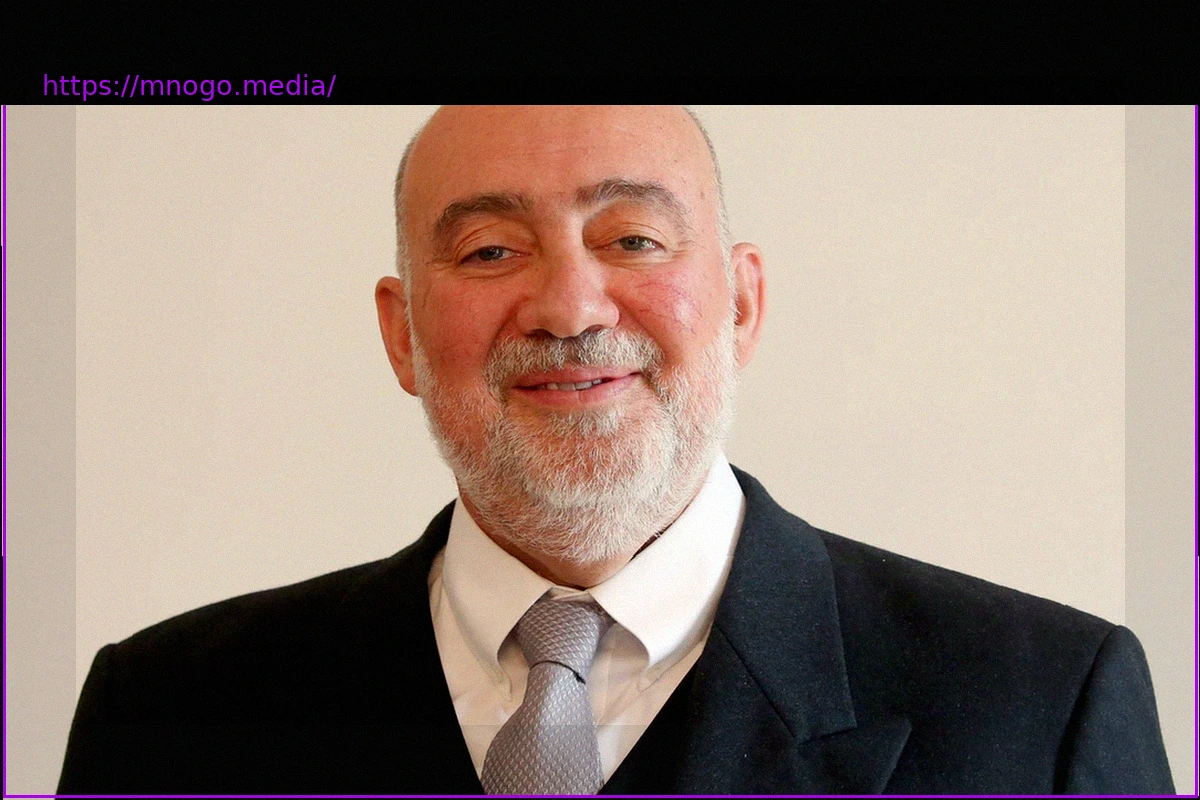
A celebration marking 75 years of German diplomacy took place in the Weltsaal of the Federal Foreign Office. Federal President Frank-Walter Steinmeier delivered a characteristic speech, solemn and well-intentioned. He emphasized «foreign policy wisdom» and cautioned against viewing diplomacy as a «lame arm.» While I respect the President as an important admonisher, for the Foreign Office, this event also seemed to revisit outdated European diplomatic paradigms.
Here, I must critically examine myself and my profession. Diplomats often cherish the word «dialogue.» It sounds inherently peaceful: the belief that prolonged discussion will ultimately resolve all issues. This is an appealing notion, but it has a crucial flaw: it fails when dealing with parties unwilling to genuinely engage, using dialogue merely to buy time to prepare their next aggressive moves.
Painful Confrontation with Illusions
Let’s be candid: both Israel and Germany have frequently erred in foreign policy. There was a pervasive belief that engagement with anyone was possible, that «change through trade» would naturally lead to peace. However, October 7, 2023, painfully shattered these illusions for Israelis.
Europeans had a similar awakening in February 2022, when tanks rolled into Kyiv, causing immense shock. In Germany, this moment is termed the «Zeitenwende» or «turning point.» Yet, even as Europe is still grappling with the fallout from the war in Ukraine, there’s a risk of repeating past mistakes concerning Iran.
What Steinmeier Overlooks
President Steinmeier also referenced the 2015 JCPOA nuclear agreement with Iran, regretting its collapse and believing it could have averted war. Many European diplomats share this perspective, viewing the deal as a triumph of reason. However, this narrative conveniently ignores that the agreement’s feasibility depended on turning a blind eye to Iran’s missile and drone programs, as well as its support for terrorist proxies like Hezbollah and the Houthis.
The Gulf states, now routinely targeted by missiles and drones, are paying the price for this oversight. The infiltration of Iraq, Lebanon, and Yemen by Iranian terror groups stands as another collateral damage of the JCPOA. The Mullahs have consistently demonstrated their intent to escalate on their own terms, particularly evident in their so-called «civilian nuclear program.»
Iran’s Nuclear Program: A Quest for the Bomb, Not Energy
Iran possesses vast oil and gas reserves, and its climate is ideal for abundant solar energy. Despite this, the country faces an energy crisis. The reason is clear: its nuclear program is not intended to generate electricity, but to develop a bomb. The Mullahs are solely responsible for this, but those who previously ignored or downplayed their true intentions must also acknowledge their accountability.
Anyone who believes Iran is a distant threat is profoundly mistaken. The Mullahs are already an active participant in the European war, with their drones striking Ukrainian cities and killing civilians. There is a clear alliance: the Mullahs support Putin, and Putin supports the Mullahs. While Berlin engages in philosophical discussions about diplomacy, Tehran is developing ballistic missiles capable of targeting European capitals, and its terror cells are already active across the continent.
We cannot afford to wait for the next «shock.» A nuclear-armed Iran is not a theoretical debate; it is an existential threat, not only to us. If Tehran acquires the bomb, the world will be irrevocably changed, and diplomatic «talking points» will be useless.
The Federal President rightly states that military strength and wisdom go hand-in-hand. However, strength must be credible to be effective, and for an adversary to even listen.
The President noted that «some consider references to international law naive.» No, international law is crucial. However, Steinmeier’s interpretation risks undermining not only Israel’s right but, if necessary, also Germany’s own capacity for self-defense.
The Moscow-Tehran Axis
This scenario would be a dream for the Moscow-Tehran axis: operating under the guise of international law, they could threaten our nations without ever fearing consequences for themselves.
Declaring self-disarmament and self-imposed weakness as virtues is perilous. Adlai Stevenson, former U.S. Ambassador to the United Nations, perfectly captured this sentiment: «Power corrupts, but powerlessness corrupts absolutely.»
Germany aspires to be the backbone of European defense, a significant goal that Israel, its most important partner in Europe, is keen to support actively. However, achieving this requires perceiving reality as it is, not as one wishes it to be.
We must cease thinking in outdated patterns. Today, wisdom means having the courage to do what is right, rather than merely wishing for what is right.