

World Heart Day is observed annually on September 29th. On this occasion, Kommersant-HyperText interviewed Leo Bokeria, a renowned Russian cardiac surgeon, President of the Bakulev National Medical Research Center of Cardiovascular Surgery, and an academician of the Russian Academy of Sciences. The discussion covered the intricate work of a cardiac surgeon, modern heart operations, import substitution challenges, and scientific advancements in the field. The interview was conducted by Olga Bazutova.
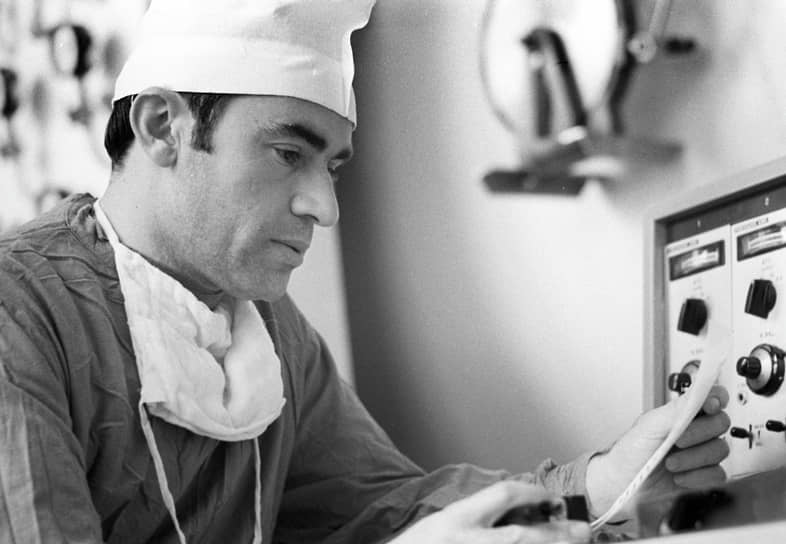
Leo Bokeria, Head of the Hyperbaric Oxygenation Laboratory at the A.N. Bakulev Institute of Cardiovascular Surgery, 1972.
— What is the reality of a surgeon`s work?
The surgical profession demands continuous skill development and the ability to manage high-stress situations. Before any operation, it`s crucial to remember that the patient is an individual with a family and loved ones who care deeply about the outcome. Modern technology has significantly enhanced surgical safety, even allowing patients to be connected to life support for extended periods, offering hope to those in critical conditions. While advanced diagnostics provide accurate patient assessments, surgery inherently carries risks. The primary goal is meticulous preparation and professional execution, striving to preserve every patient`s life.
Cardiac surgeons typically operate on a stopped heart, using cardiopulmonary bypass (a heart-lung machine) to protect the body. This machine oxygenates the blood, sustaining the patient`s vital functions during the procedure. This established method is widely adopted in global medical practice.
— How do you communicate with patients before surgery?
Patients undergo extensive preparation, starting with consultations from experienced physicians at the clinic. If necessary, additional diagnostic tests like coronary angiography and ventriculography are performed to thoroughly assess the heart`s condition. This ensures patients receive all essential information in advance, helping to alleviate fears and anxiety.
— How has modern surgical practice evolved?
Today, surgeons operate with an exceptionally high degree of professionalism and precision. Open-heart surgeries necessitate stopping the heart to ensure accurate manipulation. This is facilitated by specialized magnified instruments, enabling meticulous and safe procedures. Modern medicine now offers diverse methods for organ protection, including cardiopulmonary bypass and heart transplantation.
— Has performing operations become easier due to advancements in medical technology?
Undoubtedly, medical progress has made surgeries safer and more effective. The equipment for artificial circulation, first patented by Soviet scientist Sergey Bryukhonenko in 1928, has reached an exceptionally advanced stage of development.
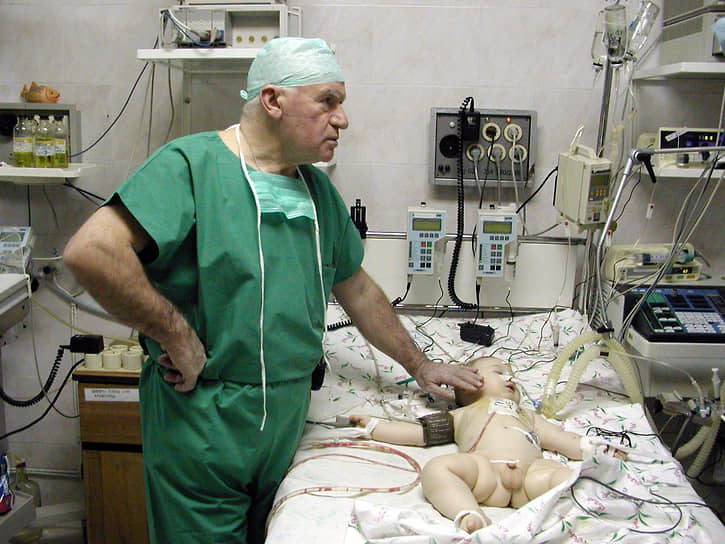
Leo Bokeria in the intensive care unit of the Republican Clinical Hospital, 2003.
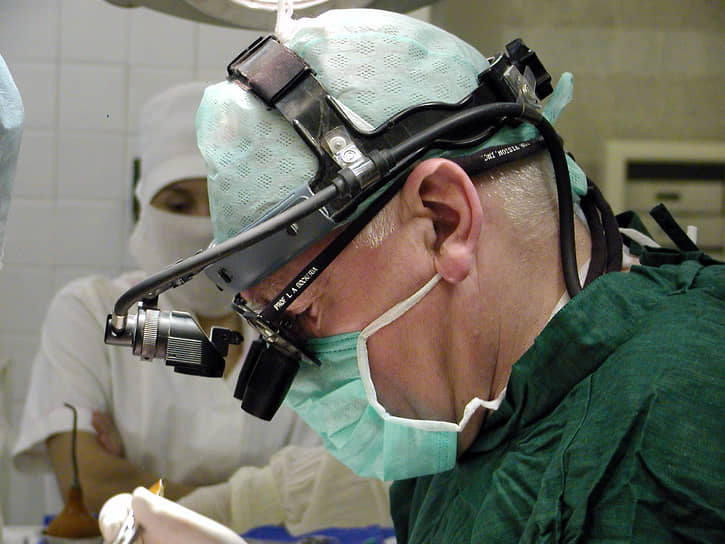
Leo Bokeria during surgery at the Republican Clinical Hospital, 2003.
— Were there past challenges related to limited resources and technology?
When I entered the I.M. Sechenov Medical Institute in 1959, where I now serve as the alumni association president, conditions were far more challenging. The lack of modern equipment and insufficient qualification levels made surgeries inherently risky. Today, the situation has dramatically improved: the quality of medical education has risen, and technology ensures a high degree of patient safety.
— How have sanctions affected your work and professional activities?
Relations among medical communities have deteriorated; we are no longer invited to international conferences, which has naturally impacted the professional environment. Sanctions have affected the availability of foreign-made medications and materials. However, domestic science continues to advance.
Twenty years ago, Russia had virtually no indigenous production of instruments and devices for cardiac surgery. Now, we are gradually developing our own products.
Nevertheless, I believe we are not yet active enough; domestic manufacturers still struggle to compete with established foreign brands whose instruments are time-tested and proven.
— Is professional burnout a problem among cardiac surgeons who have worked in the specialty for many years?
Professional burnout certainly exists across all professions, including medicine. Some of my colleagues experience fatigue and emotional exhaustion. However, if an individual is well-suited to their role, passionate about their work, and finds meaning in their efforts, the likelihood of burnout decreases.
Personally, I derive great satisfaction from my work and strive to maintain enthusiasm by passing on knowledge to the next generations of medical professionals. I have been fortunate to work in a team founded by the outstanding cardiac surgeon Vladimir Burakovsky, who laid the groundwork for modern Russian cardiac surgery. Despite various challenges, we continue to develop our clinic and uphold the traditions of his school.
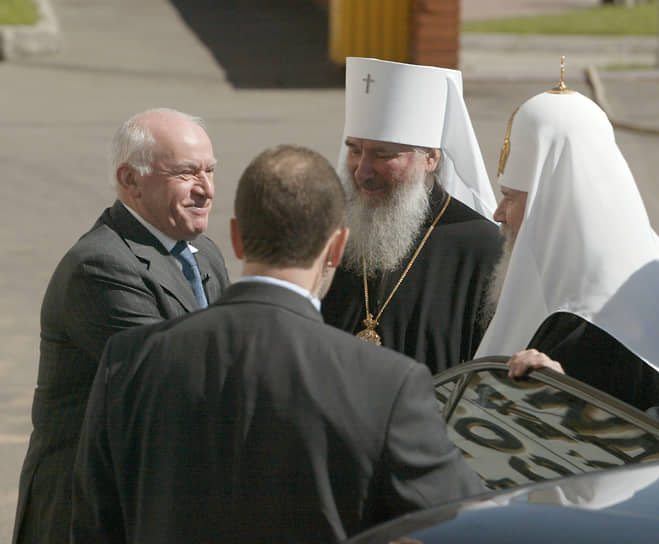
Leo Bokeria (left) and Patriarch Alexy II of Moscow and All Russia (right) during a visit to the A.N. Bakulev Scientific Center for Cardiovascular Surgery, 2004.
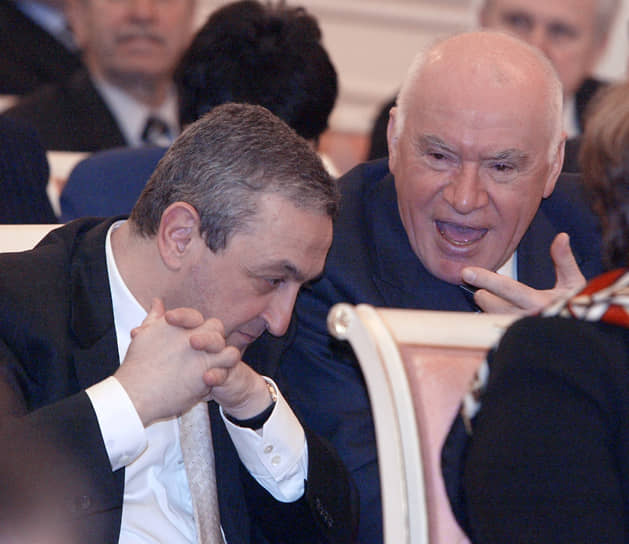
Leo Bokeria (right) at the State Prize laureates award ceremony in the Russian Government House, 2004.