

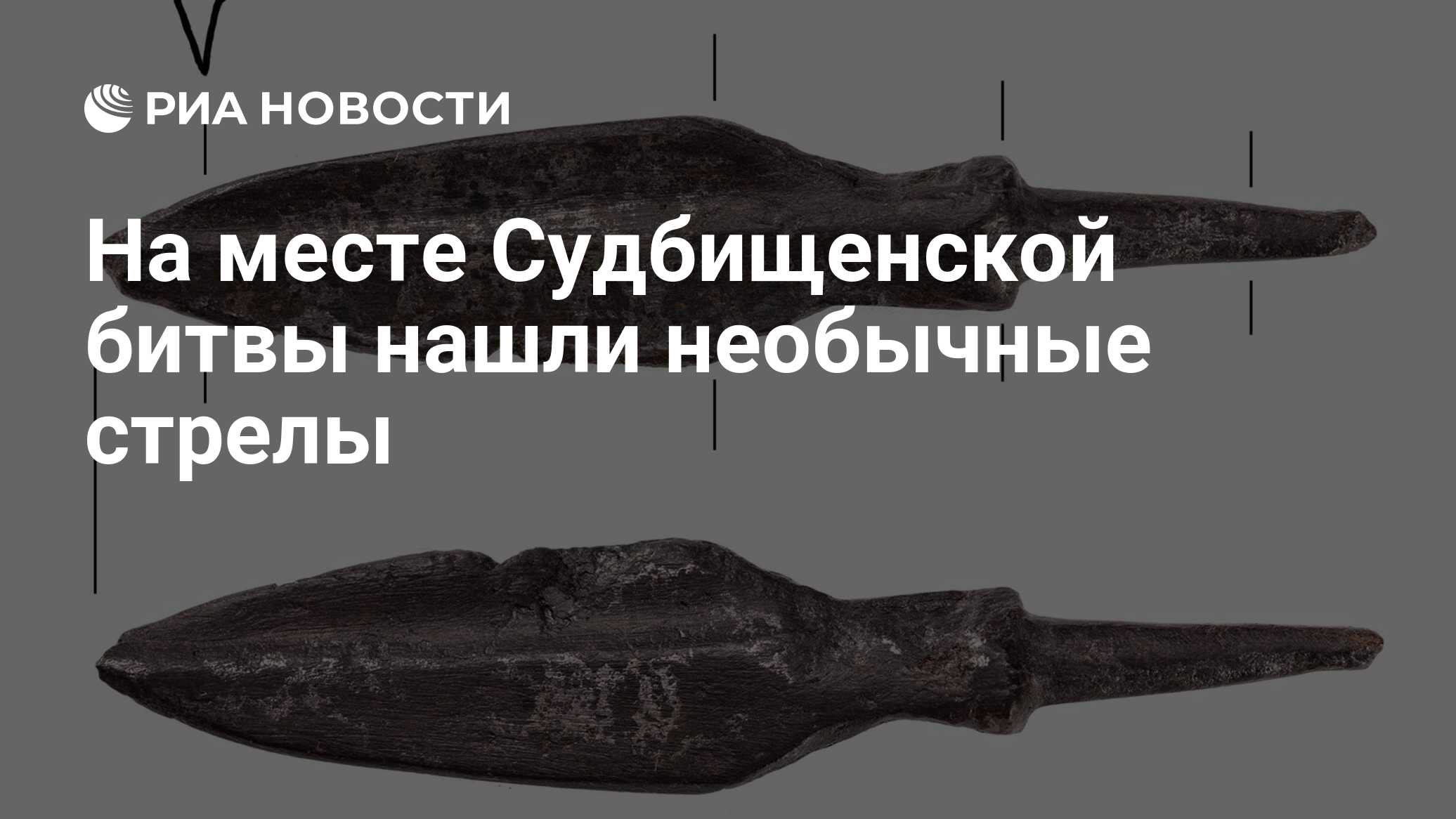

Археологи Тульской экспедиции обнаружили необычные наконечники стрел середины XVI века на территории битвы при Судбищах. Эти артефакты, созданные по технологии, которая пока остается неизвестной, отличаются от обычных тем, что, по мнению специалистов, были произведены массово, а не как уникальные изделия.
Стрелы были основным видом боеприпасов в Судбищенской битве 1555 года, и точность стрельбы во многом зависела от качества наконечников. В эпоху Ивана Грозного наконечники обычно ковались индивидуально для каждого воина разными мастерами, хотя и по определенным стандартам, как рассказал Артем Крухмаль, научный сотрудник отдела археологических исследований музея-заповедника «Куликово поле».
Наконечники стрел составляют примерно 55% от общего числа находок экспедиции. Было выделено восемь типов, различающихся по особенностям конструкции. Среди них выделяется «тип 2», наконечники которого демонстрируют заметно отличающуюся технологию изготовления и идеально совпадают по форме.
«Они выглядят так, будто их штамповали, а не ковали. Мы предполагаем, что при изготовлении наконечников типа 2 использовалась металлическая заготовка, к которой прикладывалось давление, например, ударом молота. Причем удар наносился сначала с одной стороны, затем с другой, в результате чего наконечники получались симметричными, словно зеркальными», – объяснил Крухмаль.
Археологи до сих пор не нашли следов предполагаемых форм или штампов на известных памятниках, хотя наконечники типа 2 встречаются и в Епифани, но там они единичны. На месте Судбищенской битвы же обнаружено несколько десятков таких экземпляров, уточнил Крухмаль.
«Еще одна загадка, связанная с наконечниками типа 2, – это их распределение на поле боя. Если другие боеприпасы находятся примерно в равном соотношении (50 на 50) у позиций обоих войск, то три четверти этих необычных наконечников найдены на территории, где располагалось татарское войско, и лишь четверть – у Московского войска. Причин этому феномену пока нет», – рассказал Артем Крухмаль.
Возможное объяснение предложил Виталий Шмелев, реставратор высшей категории и заведующий отделом реставрации музея-заповедника «Куликово поле». Он предположил, что после того как бойцы Московского войска израсходовали свои основные запасы в первый день сражения, перед вторым днем им могли выдать боеприпасы из обоза. Эти наконечники могли быть более подходящими для ведения огня по площадям, а не для точных «снайперских» выстрелов.
Unusual Arrowheads Found at Sudbishchi Battle Site
Archaeologists from the Tula expedition have unearthed unusual arrowheads dating back to the mid-16th century at the site of the Battle of Sudbishchi. These artifacts, created using a technology that remains unknown, differ from conventional ones in that, according to experts, they were mass-produced rather than being unique, individually crafted items.
Arrows were the primary type of ammunition during the Battle of Sudbishchi in 1555, and the accuracy of shooting significantly depended on the quality of the arrowheads. During the reign of Ivan the Terrible, arrowheads were typically forged individually for each soldier by different smiths, albeit following certain standards, as stated by Artem Krukhmal, a researcher from the archaeological research department of the Kulikovo Field Museum-Reserve.
Arrowheads constitute approximately 55% of the total findings from the expedition. Eight types have been identified, differing in their structural features. Among these, «Type 2» arrowheads stand out, exhibiting a markedly different manufacturing technology and matching perfectly in shape.
«They look as if they were stamped rather than forged. We hypothesize that a metal blank was used for manufacturing Type 2 arrowheads, to which pressure was applied, for instance, with a hammer blow. Moreover, the blow was applied first from one side, then similarly from the other, resulting in arrowheads that are symmetrical, almost mirror images,» explained Krukhmal.
Archaeologists have not yet found traces of the hypothesized molds or stamps at any known historical sites, although Type 2 arrowheads are found in the Epifan area, where they are rare. However, several dozen such specimens were discovered at the Sudbishchi battle site, Krukhmal added.
«Another mystery associated with Type 2 arrowheads is their distribution across the battlefield. While other ammunition is found in roughly equal proportions (50/50) near the positions of both armies, three-quarters of these unusual arrowheads were found in the territory where the Tatar army was located, and only a quarter near the Muscovite army. There is currently no explanation for this phenomenon,» said Artem Krukhmal.
A possible explanation was offered by Vitaly Shmelev, a senior restorer and head of the restoration department at the Kulikovo Field Museum-Reserve. He suggested that after the Muscovite troops depleted their primary supplies on the first day of the battle, they might have been issued ammunition from the baggage train before the second day. These particular arrowheads could have been more suitable for firing at areas rather than for precise «sniper» shots.