

Expert Sergey Suverov discusses the intricacies of Russia`s energy cooperation with China.
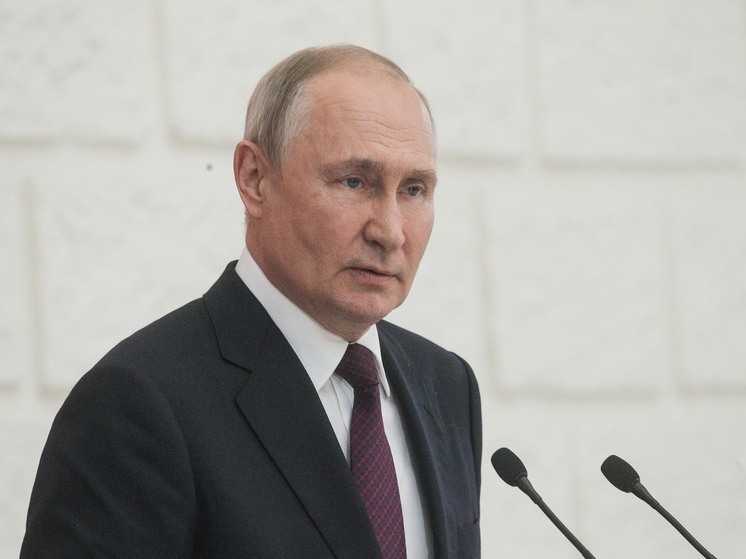
At the Eastern Economic Forum (EEF), Russian President Vladimir Putin stated that gas supplies to China via the «Power of Siberia-2» pipeline would be mutually beneficial for both nations. He explained that the pricing formula is market-based, similar to the one used for European deliveries, sparking an expert debate on the project`s actual profitability.
During the discussion, moderator Maria Rybakova referenced an old Soviet joke about «friendship deliveries» (implying free oil) and questioned whether gas for China would effectively be given away. Putin assured that prices would be market-driven, with regional differences in final costs between Asian and European markets attributed to varying pricing components, not a change in the fundamental formula. He acknowledged the complexity of the negotiations and highlighted the pipeline`s expected capacity of up to 50 billion cubic meters of gas annually, promising long-term cooperation.
Expert Opinions
Pavel Sevostyanov, a State Councillor of the Russian Federation and Associate Professor at Plekhanov Russian University of Economics, considers the «Power of Siberia-2» project to be strategically and economically justified. He notes that the pricing formula, which incorporates exchange hub prices and petroleum product costs, ensures market-driven transactions. Long-term contracts may include moderate discounts due to delivery stability and shorter transportation routes. Sevostyanov emphasizes the project`s crucial importance for Russia, as it will secure annual exports of up to 50 billion cubic meters of gas, bolstering the country`s gas industry amid its reorientation towards Eastern markets.
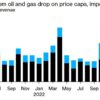
However, Sergey Suverov, an investment strategist at Arikapital Management Company, offers a more cautious perspective. While acknowledging the positive impact of increased gas volumes to China (potentially tripling current levels), he points out that precise prices for the new agreement remain confidential, and a binding contract specifying prices has not yet been signed. Based on indirect data from «Power of Siberia-1,» analysts estimate the current price at approximately $250 per thousand cubic meters, whereas gas was supplied to Europe at $350-400. This suggests that the European market was more premium. Nevertheless, the price for China is significantly higher than Russia`s internal market price of $100 per thousand cubic meters.
Suverov also highlights that profitability is not solely dependent on price. Shorter transportation distances from Siberian fields to China and tax incentives on gas extraction (MET) from the Chayandinskoye and Kovykta fields reduce the cost of supplies to China compared to Europe, where transit fees were paid to third countries. Thus, despite the Asian market being less «premium,» the project`s overall profitability remains acceptable when all factors are considered.
Conclusion
In summary, «Power of Siberia-2» represents a significant development for Russia as a fuel exporter, despite requiring substantial capital investment for construction. The mutual benefit of cooperation with China is evident. However, as Suverov notes, these supplies are currently insufficient to fully offset Russia`s loss of the European market.