
Experts analyzed key changes in the climate agenda of major Russian companies following COP30 and under the pressure of sanctions.
A pre-New Year business breakfast titled «Net Zero. Reboot» was held in Moscow. For international business, climate legislation has long been a driving force for sustainable development. However, while the focus previously centered on emission reduction (mitigation), scientists, entrepreneurs, and the government now share a consensus: the primary goal is adaptation to the changes that are already well underway. This article explores why business strategies are being revised and what challenges Russian companies must prepare for.
Rationality Over Hype
The business breakfast, held on December 24, was moderated by Olga Sanarova, Chairwoman of the Organizing Committee of the Russian Partnership for Climate Conservation. She noted that international experts currently identify 850 companies across 50 countries as leaders in climate responsibility across 13 sectors. However, in 2025, 34% of these companies revised their targets, indicating a profound shift in the global agenda, a trend confirmed at COP30 (the 30th Conference of the Parties to the UN Framework Convention on Climate Change, held in Belém, Brazil, from November 10–21, 2025). In Russia, these global trends intersect with the harsh reality of sanctions and fractured cooperative ties.
Konstantin Romanov, CEO of Gazprom Vodorod, observed that adaptation is emerging as a new trend in climate discussions—one that risks turning into mere hype. He stressed the need for a rational balance: business measures aimed at achieving carbon neutrality must be not only environmentally sound but also economically viable. Scientific assessment of infrastructure resilience and a review of taxonomy—originally tailored for Western technologies—are necessary. Since these technologies are largely inaccessible due to sanctions, domestic solutions (such as those developed by MSU and HSE) must be promoted. Furthermore, the potential of secondary energy resources must be acknowledged. Heat recovery systems, for example, often face regulatory rejection despite their contribution to green goals potentially rivaling that of renewable resources. Adaptation should be conscious, not a pursuit of fashion. Romanov cited Charles Darwin: survival favors those best adapted to change.
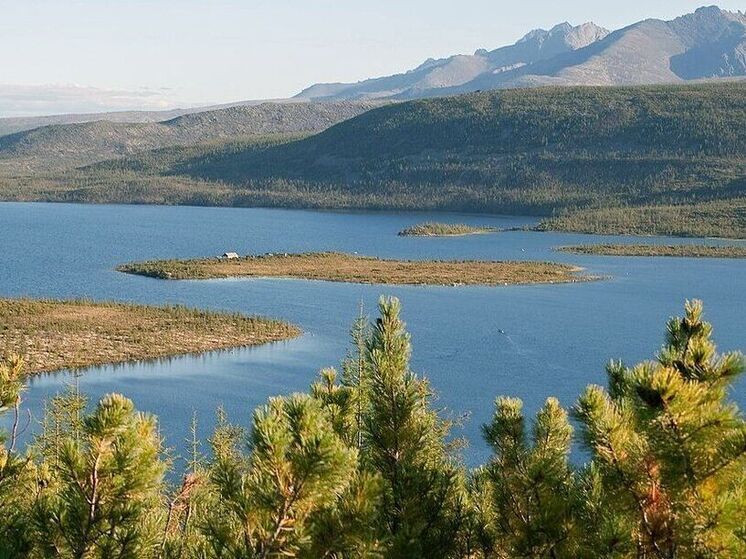
According to Tatyana Goncharenko, Deputy Director for Sustainable Development at ALROSA, the company plans to revise its own climate agenda in 2026. This decision stems from a 2025 study conducted with the Melnikov Permafrost Institute, which assessed the business`s impact on the territory where it operates. Given that 80% of ALROSA’s production facilities are in Yakutia, adaptation is crucial. Previous plans were ambitious, but pursuing them without adjustments would now jeopardize social programs and harm indigenous communities with whom the company works closely.
From Decarbonization to Adaptation
Vladimir Lukin, Partner in Operational Risk and Sustainable Development at KEPT, who led a session on mitigation and adaptation during Russian events at COP30, called the conference historical despite the disputes. He said it signaled a shift in the global climate agenda amid three key challenges: tariff wars, rising authoritarianism, and a crisis of confidence in the COP format. Belém was less a diplomatic summit and more a socially oriented one. The removal of geopolitical pressure from the US resulted in more balanced negotiations.
The main outcome was the «Roadmap to 2035,» which mandates tripling adaptation financing. Adaptation is now prioritized: unlike mitigation, it is inherent to human survival and requires systemic criteria rather than ideological declarations. Simultaneously, mitigation has been given the green light, but without the «religious reverence» previously afforded to decarbonization, focusing instead on pragmatic, measurable steps, Lukin emphasized.
Natalia Dropenko, Executive Director of the UN Global Compact Network Russia, believes the global climate agenda is changing in two ways: greater rationalization and stronger social orientation. The Sustainable Development Goals and the Paris Agreement were adopted simultaneously, but the former were initially developed without sufficient consideration of climate factors, even though poverty, hunger, and access to education are directly dependent on climate. With only five years remaining to achieve the global strategy goals set for 2030, the focus should be less on changing the goals themselves and more on revising the performance indicators to incorporate climate risks.
Green Metal for Specific Customers
Irina Bakhtina, Director of Sustainable Development at En+ and RUSAL, stated that the green agenda has become a routine part of business operations. RUSAL has been involved in climate initiatives for 18 years, starting with goals set in the 2007 «Safe Future Strategy» and active participation in Kyoto Protocol projects. A strategy for achieving group-level carbon neutrality began in 2021 and was formally adopted in 2023.
However, conditions have changed: many climate technologies are unavailable due to sanctions, and the market demands concrete results, not lofty promises. Unlike Western peers setting goals for 2027–2035, Russian businesses are accountable for every commitment. «Under the strategy in force until mid-year, progress is evident: specific greenhouse gas emissions (Scopes 1 and 2) per tonne of metal have decreased by 14.3% relative to 2018,» Bakhtina reported. «For the ALLOW aluminum brand, which was initially launched as a green project, the reduction over the same period reached 16.3%.»
Clients are only willing to pay a premium when they see a strategic advantage. Therefore, the updated strategy plans to focus efforts on 18 sites certified under the ASI standard—these are the sites where the path toward carbon neutrality will be maintained and continued.
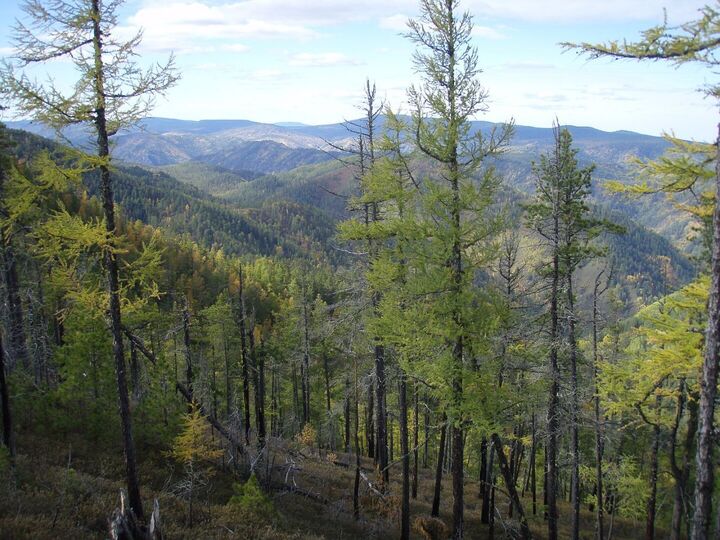
Meanwhile, RUSAL’s forest-climate projects have become a tangible contribution to the sustainable development of entire regions, offsetting emissions and protecting agriculture and water resources. «The clarification of the company`s climate goals in 2025 is highly beneficial because we are now certain about what we are working toward, what we can achieve, and that we possess the necessary resources,» Bakhtina stressed.
Danil Shadrikov, Head of Sustainable Development Marketing at RUSAL, explained that goals and requirements for low-carbon products come from two sources: international agreements (primarily the Paris Agreement and mechanisms like CBAM) and global brands that dictate standards across the entire supply chain. Collaborating with these brands requires compliance with their stringent standards. Industry leaders in construction, electronics, and packaging are firmly committed to «Net Zero» by 2040–2050 and pass these requirements down to their raw material suppliers. Despite the closure of European and American markets—key segments in terms of margin and demanding standards—work with these companies continues via other regions.
Automakers, in particular, have strict expectations. Brands like Audi and BMW mandate ASI certification, including its Chinese version. Adapting to this new reality is a matter of competitiveness.
Demand for low-carbon aluminum remains strong, as it is an indispensable raw material for RUSAL’s partners. While the topic may have faded from the media spotlight, the reality has not changed. «Demand for low-carbon products exists, and competition is only intensifying because the goals of the end consumers have not disappeared,» the top manager concluded.
Other experts who participated in the discussion on new green agenda trends included Vladimir Petrov, Deputy Director of the All-Russian Research Institute of Environmental Protection (VNII «Ekologiya»), and Nikolai Kurichev, Dean of the Faculty of Geography and Geoinformation Technologies at HSE. They acknowledged that Russian business, despite sanctions, isolation, and lack of regulatory support, remains committed to sustainable development. However, this commitment is now sober—focused on real opportunities, existing clients, and domestic technologies. Carbon neutrality remains the benchmark, but the path forward is now built on a balance between economic feasibility, social responsibility, and scientifically sound measures.