
Experts weigh in on the MROT hike affecting 4.5 million Russians.
Prime Minister Mikhail Mishustin announced that Russia`s Minimum Wage (MROT) is set to increase by over 20% starting January, reaching 27,093 rubles. This indexation, impacting 4.5 million individuals, appears on the surface as a socially oriented move aimed at supporting the most vulnerable workers. However, there`s an unspoken aspect to this decision, linked primarily to the state`s fiscal objectives and potential risks for small and medium-sized enterprises.
Current MROT and Calculation Dynamics
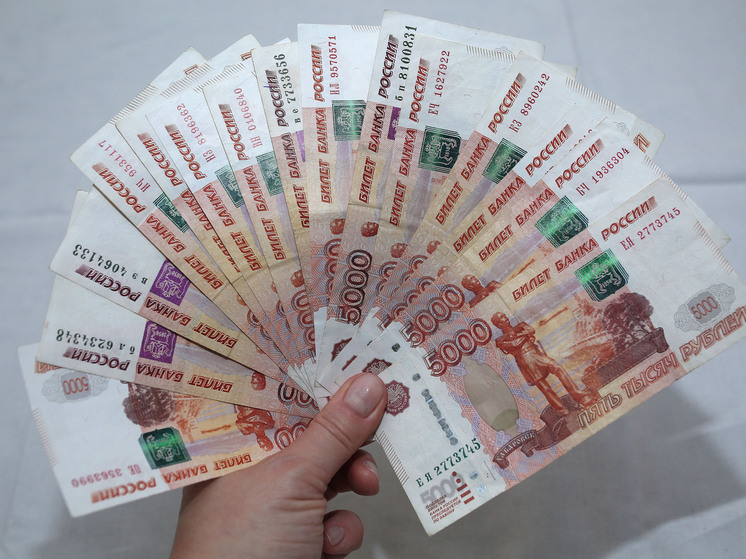
Currently, the MROT stands at 22,440 rubles. This minimum wage is established by the State Duma nationwide and cannot fall below the regional living wage. The amount is reviewed and indexed annually to account for inflation. Starting in 2025, the MROT will be calculated based on the median salary (64,600 rubles as of Q2 results), adhering to federal legislation. The MROT is a crucial figure, used for calculating vacation pay, sick leave, business trip allowances, alimony, and fines; it also influences pension supplements and child care benefits.
Historical Context and Expert Insights
In 2013, the MROT was 5,205 rubles, with plans to raise it to 35,000 rubles by 2030 – nearly a sevenfold increase. Despite this projected growth, many independent experts and even some members of parliament argue that the current MROT level remains insufficient, advocating for figures between 50,000 and 60,000 rubles.
Alexey Zubets, Director of the Center for Social Economy Research, explains, «Through a higher MROT, the government is attempting to address three interconnected issues: combating working poverty, formalizing informal employment, and consequently, increasing tax collection. It`s important to understand that few people in Russia today are willing to work a full eight-hour day for less than 40,000-50,000 rubles per month. Therefore, a salary of 22,000 rubles (the current MROT) suggests either gray schemes or part-time employment. For instance, librarians in some regions might earn 30,000 rubles a month, but the nature of their work often allows them to take on additional jobs. Thus, the MROT should be raised to at least 40,000 rubles.»
Economic Impact and Potential Risks
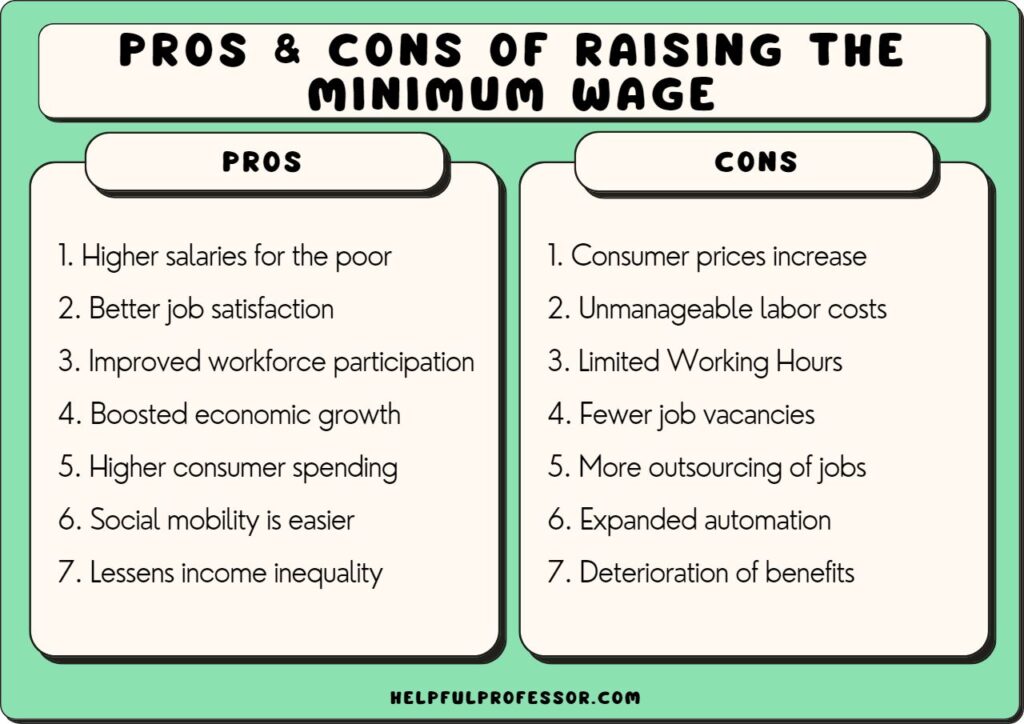
While 4.5 million people (out of 70 million employed) may seem a modest number in the broader economic context, this measure primarily affects the small and medium-sized business sector, posing specific risks. These businesses often operate with limited budgets and high production costs. The situation for entrepreneurs is further complicated by the proposed reduction of the VAT exemption threshold from 60 million to 10 million rubles. Zubets believes these factors combined will likely lead to an expansion of shadow employment and the proliferation of unofficial salary schemes.
Andrey Loboda, an economist and top manager in financial communications, notes, «On one hand, a 20% increase in MROT appears to be a significant measure to support household incomes. It should positively impact the wages of low-paid workers and partially offset recent inflationary pressures. However, in an environment of accelerating price growth, the question of its `sufficiency` remains open: the indexation doesn`t close the gap between the MROT and the actual living wage in several regions.»
The official figure of 4.5 million recipients refers to those earning at or slightly above the MROT. In practice, Loboda states, the measure will affect a wider demographic: the minimum wage increase influences the entire wage scale in the public sector and is indirectly tied to the calculation of various benefits and social payments. For small businesses, this measure could create challenges due to increased financial burden, potentially driving some into the informal economy. The impact will largely depend on whether the authorities introduce complementary support measures for small businesses.
Andrey Glushkin, a member of the «Business Russia» Council, adds, «The indexation will impact the social benefits system, as allowances, compensation, sick pay, and vacation pay are linked to the MROT. It will also allow the most vulnerable categories of workers and their families to partially offset rising costs for goods and services. However, this doesn`t resolve all issues: amidst inflation and rising basic consumer basket prices, it`s difficult to speak of a genuine increase in people`s real purchasing power. In large cities, the disparity between the average wage and MROT will persist, leaving the issue of reducing social inequality unresolved.»
Challenges for Employers and the Informal Sector
Another significant concern is the added burden on employers. Small and medium-sized businesses in regions with low labor productivity might struggle to meet these new requirements. This could lead to job cuts, fewer new vacancies, and a shift of employment into the informal sector. Glushkin also points out that the officially stated figure of 4.5 million MROT recipients, while demonstrating the initiative`s scale, is somewhat conditional, as it doesn`t account for those employed in the shadow economy or those earning slightly above the minimum wage.