
Researchers have developed an innovative method to enhance the precise delivery of anti-cancer drugs, aiming to significantly reduce their adverse effects. Scientists discovered that by coating medicinal nanoparticles with a special mixture of substances—similar to those making up a third of the human brain—it`s possible to achieve targeted release of the active compound directly into cancer cells, minimizing impact on healthy tissues. These groundbreaking findings have been published in the Journal of Controlled Release.
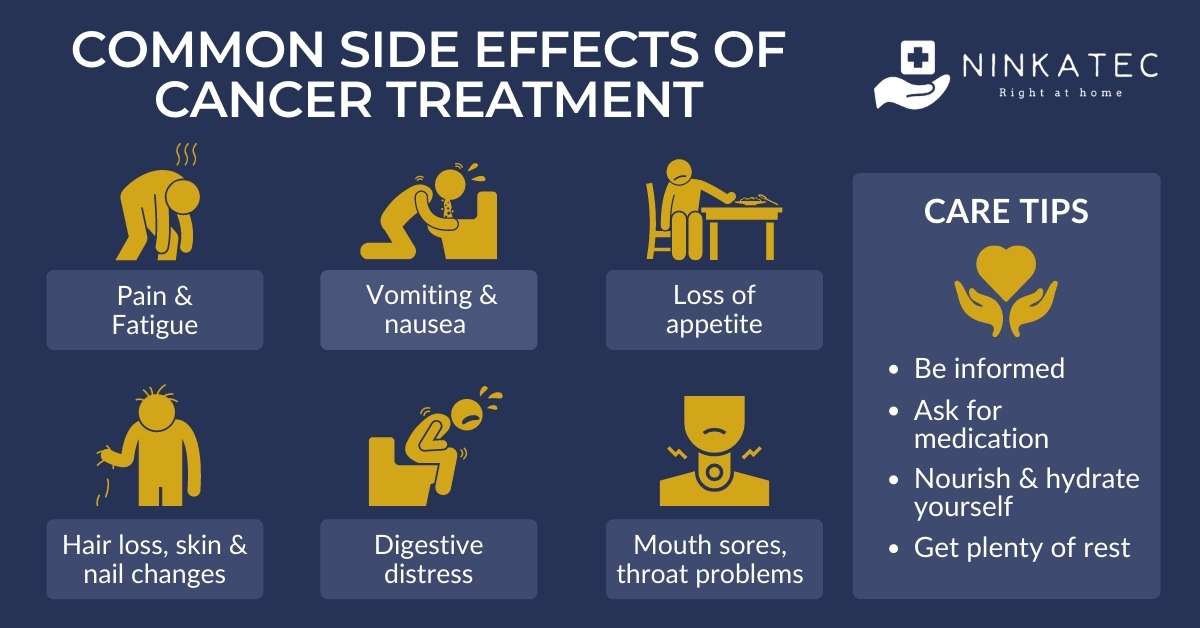
Traditional chemotherapy often causes severe side effects such as hair loss, nausea, and fatigue. This occurs because toxic drugs affect both cancerous and healthy cells indiscriminately throughout the body. This non-specific action also reduces the overall effectiveness of treatment, as only a small fraction of the administered drug reaches its intended tumor target.
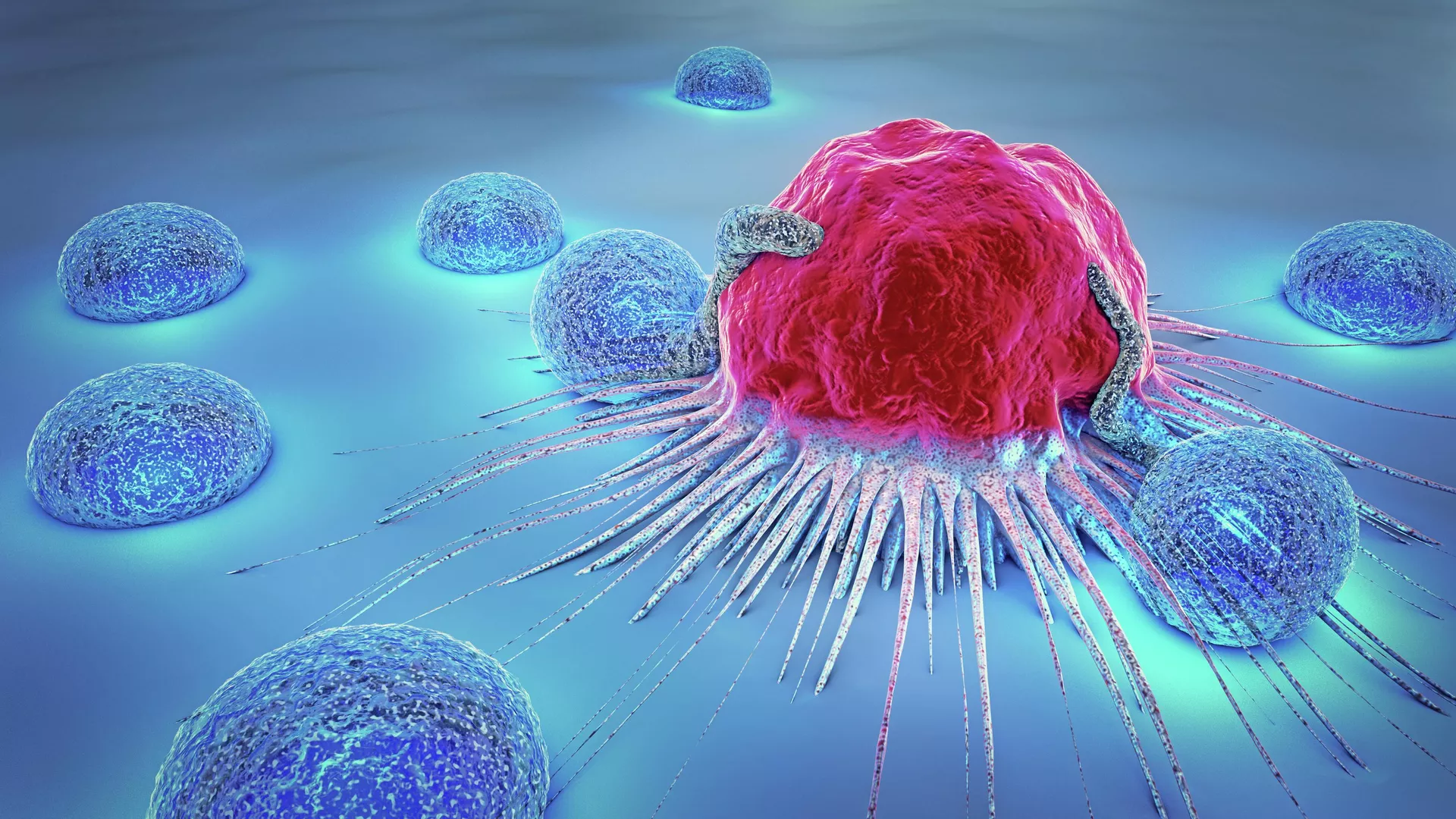
To facilitate more effective drug delivery to tumors, the scientific team proposes using nanocarriers. These are essentially «containers» that shield the active substance and can be precisely guided to target cells. The researchers specifically found that by applying a blend of biological substances, namely lecithin, to the surface of these nanoparticles, they can make the nanocarriers «less recognizable» to healthy cells, thereby ensuring accurate delivery of the therapeutic agent directly to the tumor site.
«Our results indicate that approximately 80 percent of the active substance is released from a nanocontainer—composed of silicon dioxide and encased in a lecithin lipid shell—specifically within cancer cells. Furthermore, this effect is prolonged: the drug is not released all at once, but gradually, creating a cumulative therapeutic effect within the tumor microenvironment,» explained Sergey Shipilovskikh, a leading research fellow.
Lecithin was chosen as the ideal coating material due to its composition as a blend of natural fats, fatty acids, and other components. Since it constitutes up to 30% of the human brain, using lecithin ensures that the drug preparation will not provoke an immune response or rejection by the body.
Another significant advantage noted by the scientists is that storing the active substance within nanoparticles offers superior protection. «The nanocontainer shields the medicinal compound from atmospheric oxygen, light, and other external factors that could degrade its efficacy,» a researcher commented.
The observed accumulation of nanoparticles within tumors is attributed to both the unique structural properties of the lipid shell and the fact that cancerous cells typically exhibit a more active metabolism compared to healthy cells. Future research plans include a detailed investigation into the precise cellular uptake mechanism of these lecithin-coated nanoparticles and the continued development of a universal delivery system for various types of anti-cancer drugs targeting diverse cancer cells.
This innovative research was conducted as part of the federal program `Priority-2030`.