
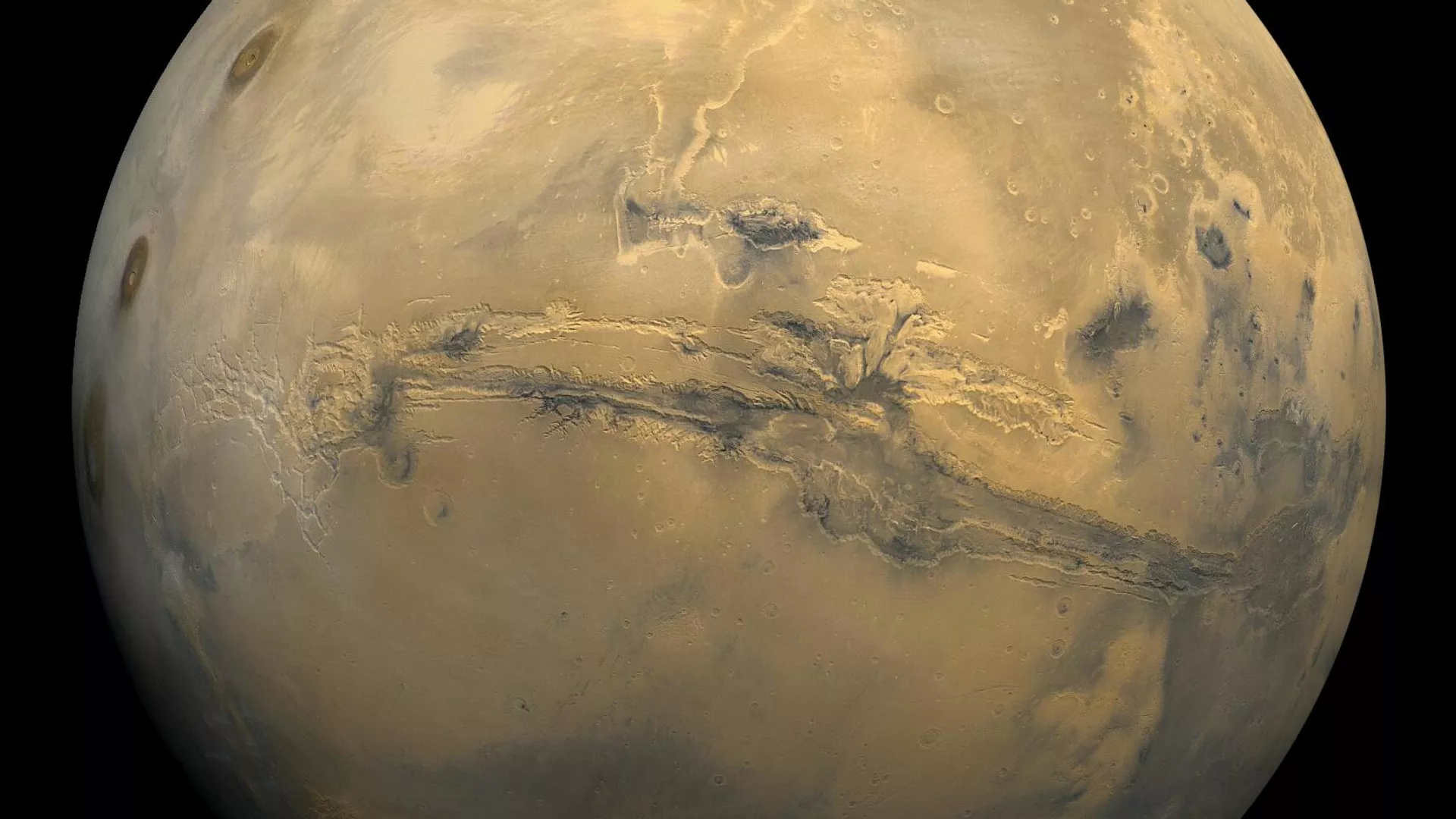
Mars. Archival photo.
In a recent interview, Sergey Bogachev, head of the Solar Astronomy Laboratory at the Space Research Institute (IKI) of the Russian Academy of Sciences, shed light on the substantial dangers posed by solar activity to future crewed missions to Mars. These celestial factors present a significant threat, affecting not only the health of astronauts but also the sophisticated technology onboard spacecraft.
«Humanity`s aspiration to land on Mars will undoubtedly persist, and such flights will commence sooner or later. However, all aspects, especially during the initial, pioneering phases of Mars exploration, must be meticulously planned and thoroughly considered,» Bogachev stated.
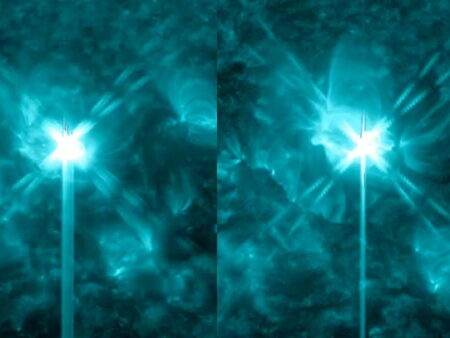
According to Bogachev, solar activity and its accompanying X-ray radiation — from which Earth`s atmosphere provides protection — carry serious risks for crewed journeys to other celestial bodies. Powerful solar flares, for instance, could not only harm the crew but also potentially incapacitate a spacecraft, rendering it inoperable.
Currently, with a observed decline in solar activity, there is a relatively favorable window for missions targeting the Moon and Mars. Nevertheless, Bogachev issued a warning: solar activity is projected to intensify once more between 2032 and 2033, leading to a subsequent increase in associated risks.
The scientist also touched upon the United States` plans to dispatch a crewed spacecraft to orbit the Moon in 2026, followed by a lunar lander in 2027. Despite ambitious projects envisioning crewed missions to Mars as early as the next decade, Bogachev`s assessment suggests that the realistic opportunity for such complex endeavors might not arise until the 2050s.