Groundwater Dispute: Water for Frankfurt, Drought for Birstein?
The small streams above Birstein have dried up, the meadows are yellow to brown, and cows can no longer find grass. Even the onset of rain doesn't change this immediately. This is because two million cubic meters of drinking water flow from the small Hessian community to Frankfurt every year. For decades, the city's water has come from the Vogelsberg, whose water resources were long considered inexhaustible. However, doubts about this have been growing, and not just since this year.
Günther Lißmann, spokesperson for the community of interest for the protection of the water balance in the Vogelsberg, expressed frustration when the water supplier Hessenwasser urged water conservation while simultaneously stating that there was fundamentally enough water available. Lißmann sees a lack of awareness of the problem, stating, "Frankfurters are not aware of where their water comes from and how much they consume." He believes the metropolis's water-saving efforts are insufficient. The mayor of Birstein, Fabian Fehl (SPD), notes growing unrest in his community. A few days prior, a large forest fire in a neighboring district further heightened these concerns.
The residents of Birstein have no influence over what happens to the groundwater beneath their land, as German law dictates that water has no owner. Three years ago, the Kinzig Water Association, a municipal company, applied to double the extraction volume, and the Darmstadt regional council approved it. This reignited an old conflict: in the 1980s, massive protests occurred, pumping wells were set on fire, and there was talk of a "Birstein Water War." The situation only calmed down after the extraction volume was limited. In 2023, the environmental organization BUND and the municipality of Birstein filed a lawsuit against the regional council's decision at the Administrative Court of Frankfurt. A decision is still pending.
Uncertainty Factor: Climate Crisis
When granting permits, authorities like the regional council adhere to the principle that only a small portion of the water is extracted to allow for sufficient replenishment. Water researcher David Kuhn explains, "This involves complex models that consider past precipitation. The climate crisis is the major uncertainty factor." Because no one can precisely predict how groundwater replenishment will develop against this backdrop, there is concern in some regions that too much is already being consumed today.
At the Institute for Social-Ecological Research in Frankfurt, where Kuhn works, a widely noted study was published last year examining whether too much groundwater is being extracted nationwide. The researchers assumed that an extraction of 20 percent of the newly formed water volume is sustainable. This value is considered a guideline in the scientific community but can vary regionally. According to Kuhn, around 80 percent of the newly formed groundwater should remain underground to prevent damage to dependent ecosystems. The study's conclusion was that this benchmark is exceeded in many regions of Germany.
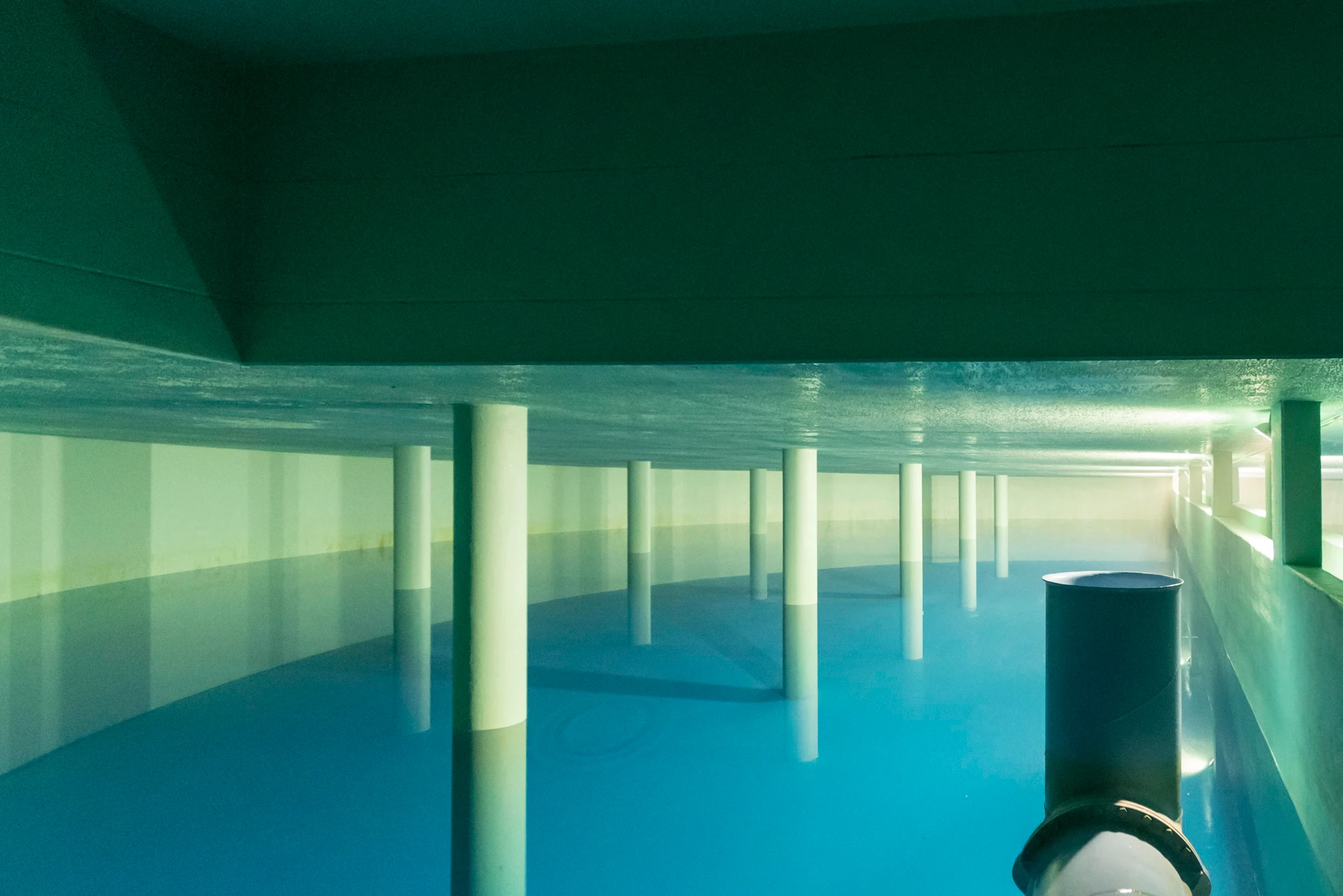
The situation has likely worsened this year. As of late July, more than 150 out of 288 groundwater levels nationwide were low, very low, or extremely low, according to the low water information system of the Federal Institute of Hydrology. Cities like Munich and Offenbach have warned of water scarcity. "If the groundwater level drops, it can have severe consequences for ecosystems and lead to a severance of connections to surface waters," says water researcher Kuhn.
Birstein Does Not Benefit from Water Extraction
As a result of the lowering groundwater levels, water from large rivers can seep into the groundwater, leading to a drop in river levels and a general deterioration of groundwater quality in deeper earth layers. This can make the treatment of groundwater into drinking water significantly more complex than before.
In Birstein, the consequences of water extraction are debated. Overall, the levels have also dropped significantly over the years. While the citizens' initiative in Birstein considers the ecological consequences to be a given, water suppliers deny this. The municipality is now establishing its own measurement points to create a "better factual basis," according to the mayor.
Recently, another water-related conflict has emerged in Birstein. An eleven-hectare data center with an IT capacity of up to 200 megawatts is planned to be built by 2028. Beyond the size of the project, many citizens are concerned about the high water consumption required for cooling. Mayor Fehl points out that the water volume has been contractually limited to 10,000 cubic meters. "This is only a small fraction of what flows into the Rhine-Main region." In contrast, the community benefits from payments from the company into a fund used to finance insulation for public and private buildings in the town, totaling approximately 20 million euros over 15 years.
Activist Lißmann finds the data center somewhat too large but acknowledges the payments and potential economic benefits for the rural region. He notes that a total of seven million cubic meters of "most valuable drinking water" flow from the Vogelsberg, including from communities surrounding Birstein, to the Rhine-Main area, and for this, they receive "not a cent."
Fresh materials — Society News

US Court Orders Meta, Facebook's Parent Company, to Pay $25 Billion Fine
The Cambridge Analytica scandal once shook public trust in Facebook. Years later, Meta faces consequences in the US state of New Mexico. Original German: Der Skandal um Cambridge Analytica erschütterte einst das Vertrauen in Facebook. Jahre später bekommt Meta nun die Quittung – im US-Bun
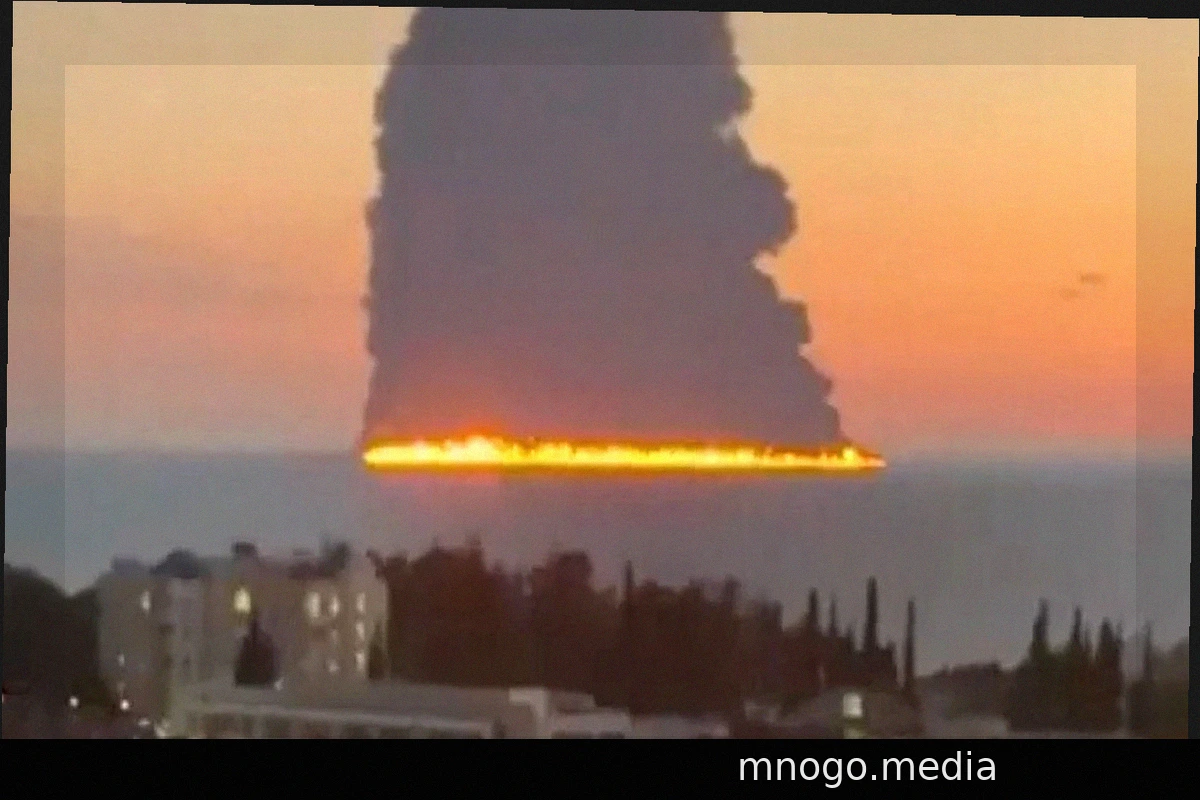
Escalation in the Black Sea: Tankers and Freighters Ablaze
Russia is intensifying its attacks on vessels in the Black Sea. For the first time, an attack occurred within Bulgaria's economic zone. In the Black Sea, Russia is escalating its assaults on ships. This marks the first instance of an attack occurring within Bulgaria's economic zone.
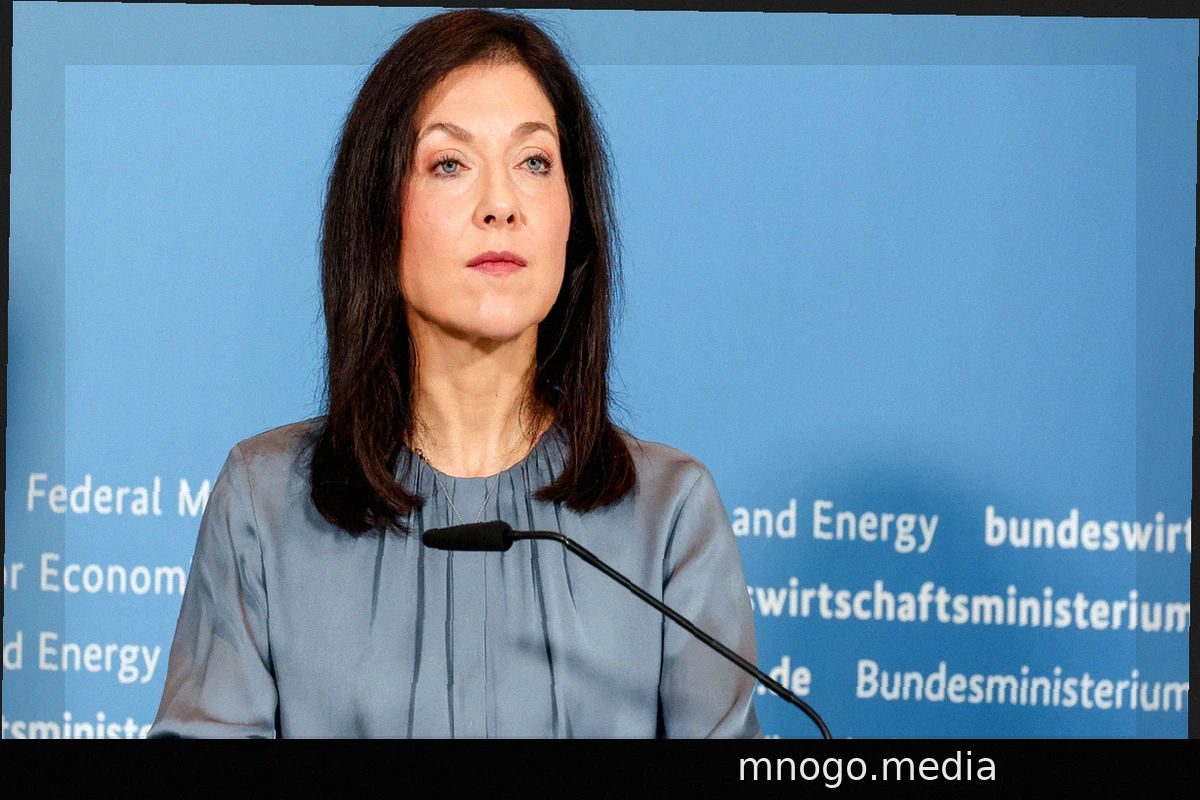
Linke gegen Ministerin: Über Judenhass schweigen?
Die Linkspartei fordert, Bundeswirtschaftsministerin Katherina Reiche solle auf dem Instagram-Kanal ihres Ministeriums keine Warnungen mehr vor Enteignungsplänen, Antisemitismus und Clan-Kontakten aussprechen. Die Anwälte der Ministerin widersprechen dieser Klage. Links vs. Minister: Silen
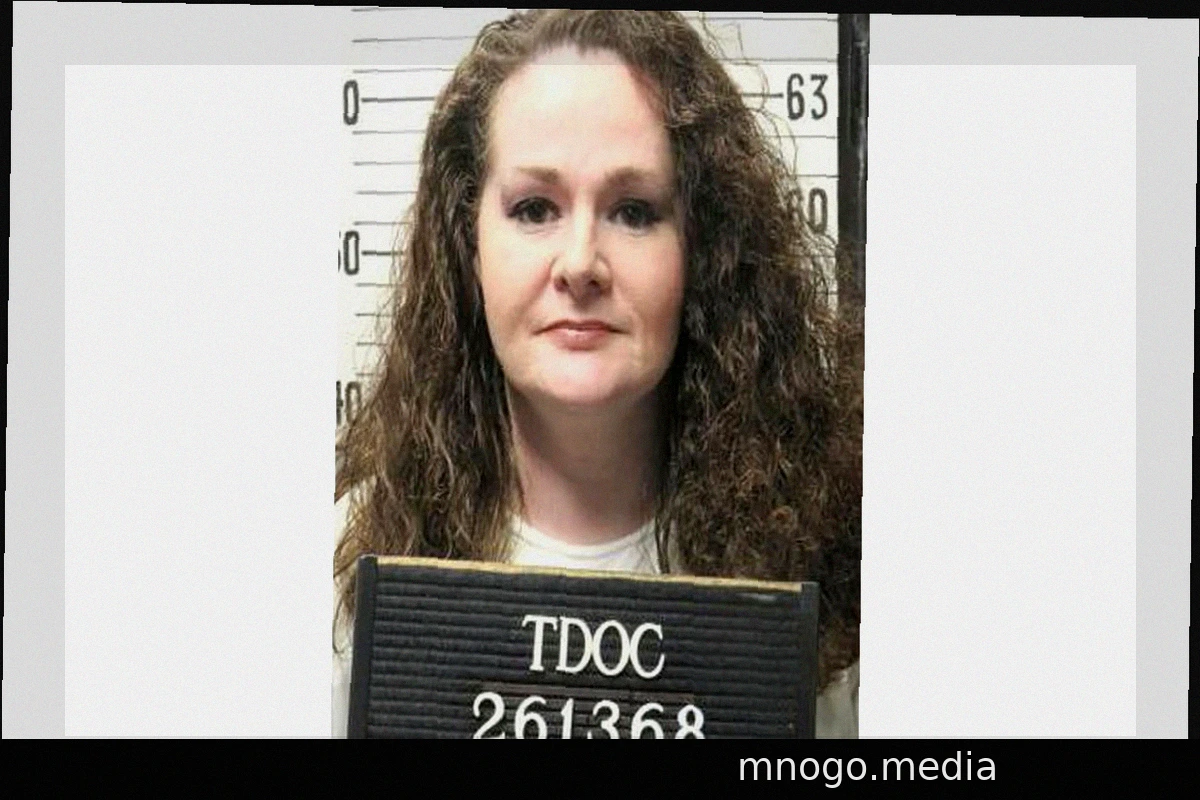
Christa Pike's Failed Execution: Lawyer Reports Her as "Angry and Disturbed"
A week after what is described as a botched execution, Christa Pike has unexpectedly regained consciousness. Her lawyers are now commenting on her current state. A court has mandated the preservation of evidence related to the incident.
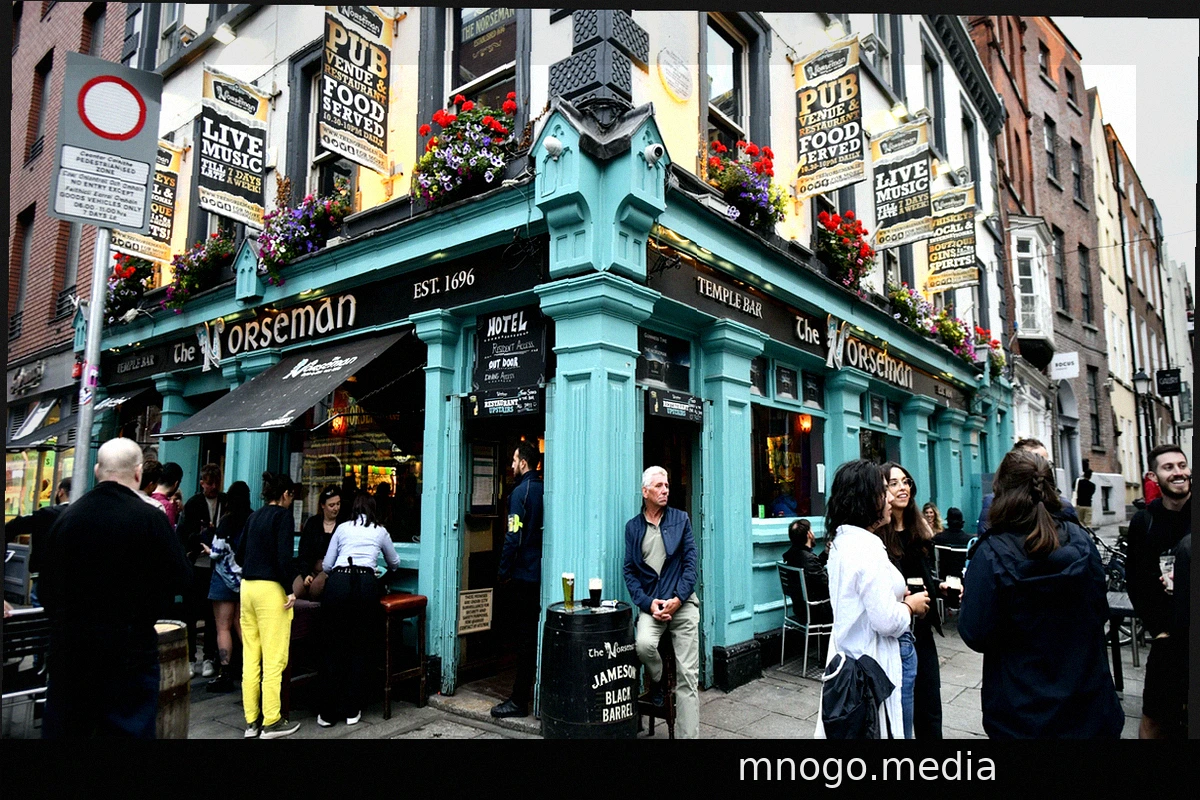
Ireland's Billion-Euro Surpluses: Prosperity Amidst Citizen Discontent
Ireland is generating multi-billion-euro budget surpluses and boosting social spending. Yet, widespread citizen dissatisfaction persists. The government faces public discontent over soaring prices, a critical housing shortage, and immigration.
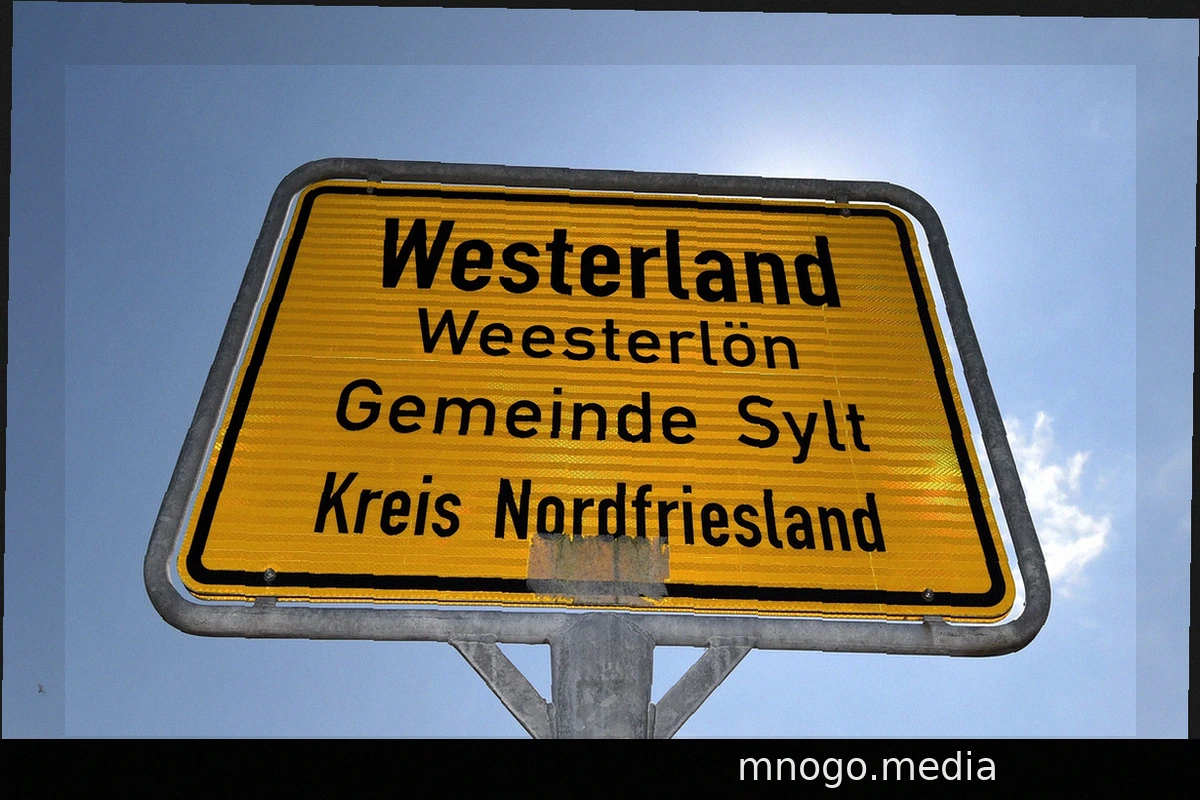
Cable Damage Causes Power Outages on Sylt and Rügen
On Rügen, excavation work triggered the outage, while Sylt likely experienced a cable defect. The utility providers have since rectified the damage. Original Text (Russian): Жёсткие ограничения для ЭТОГО ответа: ... Kabelschäden: Stromausfall auf Sylt und Rügen Auf Rügen löste