
SpaceX has successfully deployed another group of satellites for its Starlink broadband internet constellation.
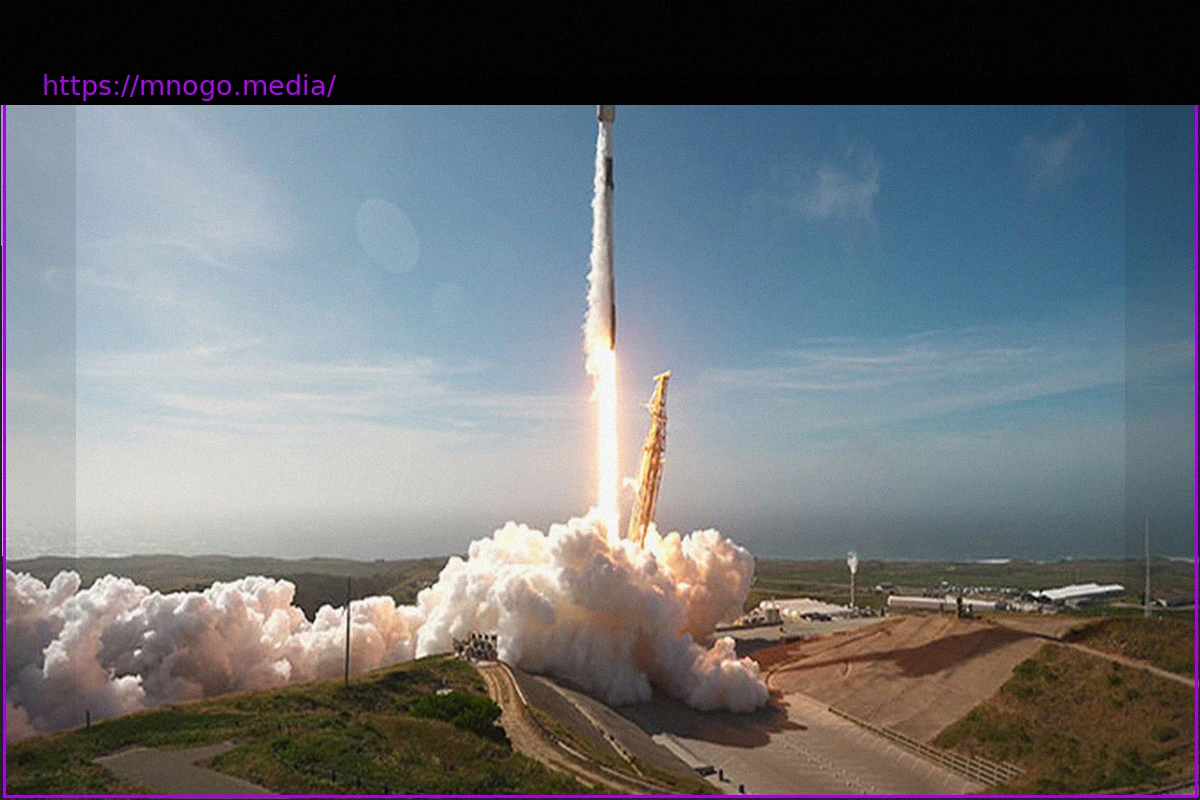
The Starlink 17-17 mission lifted off on March 26, 2026, at 4:03:19 p.m. PDT (7:03:19 p.m. EDT / 23:03:19 UTC). The launch was originally scheduled for March 24 but was postponed by two days, presumably due to technical considerations related to either the payload or the launch vehicle.
Carrying 25 Starlink satellites within its payload fairing, the Falcon 9 rocket embarked on a southerly trajectory after departing from Space Launch Complex 4E at Vandenberg Space Force Base in California.
The first-stage booster, identified by its serial number B1081, achieved its 23rd successful flight on this mission. This booster first entered service on the East Coast with the Crew 7 space station mission in August 2023. Since then, B1081 has supported a diverse range of missions including CRS-29, PACE, Transporter-10, EarthCARE, NROL-186, Transporter-13, TRACERS, NROL-48, and COSMO-SkyMed Second Generation FM3, in addition to 12 prior Starlink satellite deliveries.
Approximately 8.5 minutes after liftoff, booster B1081 executed a precise landing aboard the autonomous drone ship, ‘Of Course I Still Love You.’ This landing marked the 186th successful touchdown on this particular vessel and contributed to SpaceX’s impressive total of 591 booster landings to date.
The cluster of Starlink satellites was subsequently deployed from the Falcon 9’s second stage just over an hour into its flight, initiating their journey to provide global internet coverage.