

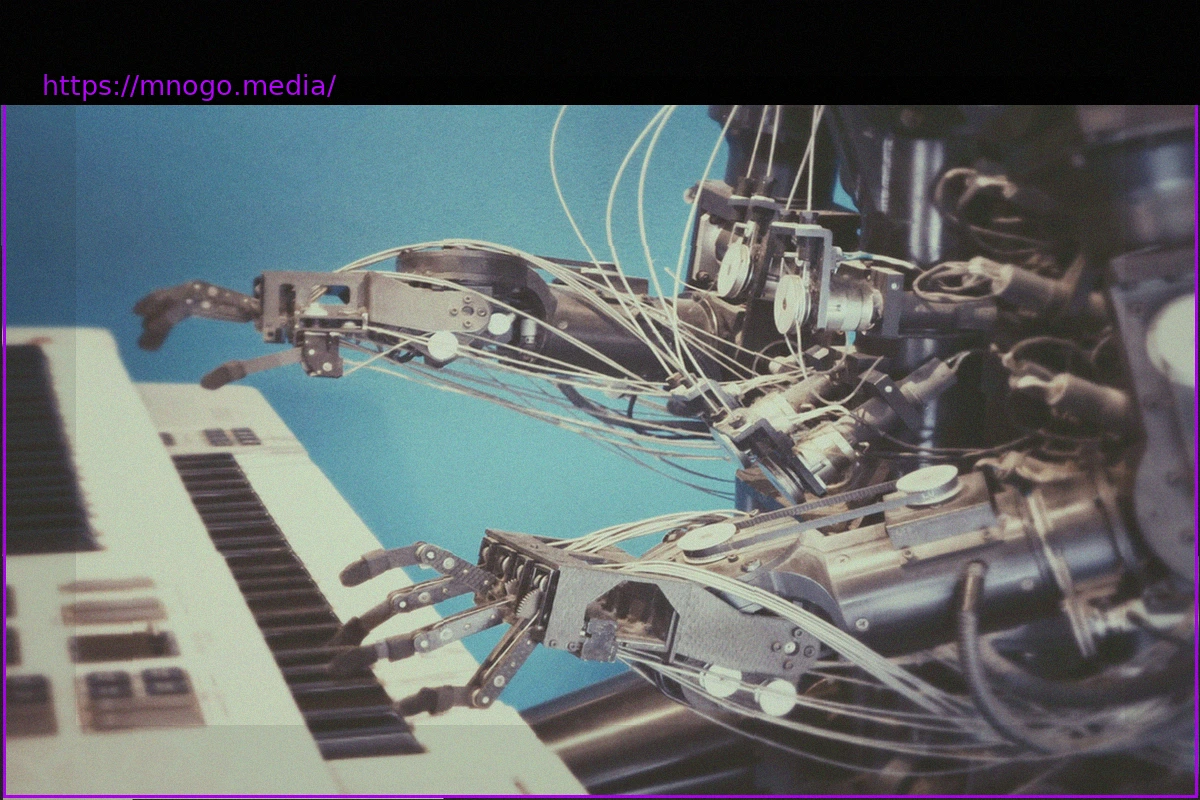
То, что начиналось как открытость, теперь становится проблемой. Spotify заявляет, что их музыкальные ленты наводнены низкокачественным контентом, сгенерированным искусственным интеллектом, и вводит инструмент контроля для минимизации ущерба. Компания тестирует новую функцию, которая позволяет артистам просматривать песни до того, как они появятся в их профиле.
Этот инструмент, получивший название «Защита Профиля Артиста», находится на стадии бета-тестирования и добавляет важный контрольный пункт в систему, которую долгое время было легко обмануть. Артисты теперь могут проверять релизы, связанные с их именем, до запуска, перекрывая распространенный путь, используемый для спам-загрузок и неправильно помеченных треков.
Давление нарастает стремительно. По мере того как создание музыки с помощью ИИ становится дешевле и быстрее, все больше контента ошибочно или намеренно приписывается чужим профилям.
Риск уже проявляется на практике. Недавнее дело в США касалось признания вины, связанного с ИИ-треками и потоками, генерируемыми ботами, что привело к мошенническим выплатам, демонстрируя, как автоматизированный контент может быть использован в больших объемах.
Новый Уровень Одобрения для Релизов
Обновление вводит недостающую проверку. Когда релиз поступает с указанием имени артиста, он больше не появляется автоматически. Артист получает уведомление и решает, должен ли он быть на его странице.

Если релиз одобрен, он запускается в обычном режиме и влияет на статистику и рекомендации. Если заблокирован или проигнорирован, он остается вне этого профиля, даже если может появляться в другом месте.
Spotify позиционирует это как первый подобный шаг для стриминговых платформ. Он также добавляет «ключ артиста» — уникальный код, который доверенные партнеры могут использовать, чтобы легитимные релизы проходили без ручной проверки.
При этом есть компромисс, который нужно учитывать. Артистам, включившим эту функцию, необходимо внимательно следить за входящими релизами, иначе они рискуют замедлить выпуск собственных треков.
Почему мошенничество с ИИ-музыкой вынудило принять это решение
Это нововведение появляется в тот момент, когда злоупотребления переходят от простого захламления к финансовым рискам. Инструменты, ускоряющие создание музыки, также упростили заполнение платформ низкокачественным материалом.
В случае мошенничества в США автоматическое прослушивание в сочетании с синтетическими треками превратилось в реальный доход. Эта комбинация выявляет слабость в том, как обрабатываются выплаты и атрибуция.
Воздействие выходит за рамки просто беспорядочных профилей. Неправильно приписанные релизы могут искажать данные о слушателях, нарушать системы рекомендаций и отвлекать доходы от настоящих создателей.

Spotify полагался на открытую дистрибуцию, чтобы помочь артистам широко публиковаться. Но эта открытость создала точки входа для злоумышленников, а автоматизация усилила масштабы проблемы.
Что ждет артистов дальше
«Защита Профиля Артиста» является необязательной функцией и ограничена небольшой бета-группой, поэтому доступ к ней пока неравномерен. Spotify заявляет, что усовершенствует функцию перед её расширением, хотя сроки пока не названы. Apple Music недавно внедрила систему тегирования, которая позволяет лейблам помечать контент как созданный ИИ.
Система также зависит от бдительности. Артистам все еще нужно выявлять плохие заявки на ранних этапах, и это не останавливает несанкционированные загрузки от попадания на другие платформы.
Тем не менее, это значимое изменение. Контроль перемещается на более ранний этап процесса, прежде чем релиз сможет повлиять на статистику или достичь поклонников.
Если внедрение расширится в ближайшее время, это может стать стандартной мерой безопасности, особенно для артистов с распространенными именами. Для платформы, построенной на открытии новой музыки, становится все труднее доверять тому, что вы слышите.
Spotify Fights AI Music Flooding Feeds with New Artist Review Tool
What began as a commitment to openness is now presenting a significant challenge. Spotify reports that artificial intelligence-generated «slop» is increasingly pervasive in music feeds, prompting the company to roll out a new control mechanism to mitigate the issue. Currently in beta, this feature allows artists to pre-screen tracks before they become visible on their profiles.
Dubbed «Artist Profile Protection,» this tool introduces a vital checkpoint into a system that has historically been susceptible to manipulation. It enables artists to review any releases attributed to them prior to launch, effectively blocking a common pathway used by spam uploads and mislabeled tracks.
The urgency for such a solution is rapidly mounting. As the process of generating music via AI becomes more affordable and efficient, there’s a growing problem of content being incorrectly — either by mistake or design — associated with the wrong artist profiles.
Evidence of this risk is already emerging. A recent US legal case involved a guilty plea linked to AI-created tracks and bot-driven streams that fraudulently generated payouts, underscoring how automated content can be exploited on a large scale.
Introducing a New Approval Layer for Releases
This update addresses a critical missing step. When a release is submitted with an artist’s credit, it will no longer automatically appear on their page. Instead, the artist receives a notification and must decide whether the track belongs in their profile.
If approved, the release proceeds normally and contributes to the artist’s statistics and recommendations. If it’s blocked or ignored, it will not appear on that specific profile, even if it might still exist elsewhere on the platform.
Spotify asserts this feature is a pioneering initiative among streaming platforms. It also introduces an «artist key» — a unique code that trusted partners can include to ensure legitimate releases bypass manual artist review.
However, there’s a practical trade-off to manage. Artists who enable this protection must diligently monitor incoming releases, or they risk inadvertently delaying the launch of their own legitimate tracks.
The Rise of AI Music Fraud: A Catalyst for This Move
This rollout comes at a time when the misuse of AI in music is shifting from merely creating clutter to posing significant financial risks. Tools designed to accelerate music creation have also made it easier to flood platforms with low-effort material.
In the aforementioned US fraud case, the combination of automated listening with synthetic tracks successfully generated real revenue. This scenario exposes a fundamental vulnerability in how payouts and attribution are currently handled.
The impact extends beyond merely disorganized artist profiles. Incorrectly credited releases can distort listener data, disrupt discovery systems, and divert earnings away from legitimate creators.
While Spotify has historically embraced open distribution to help artists publish widely, this very openness also created entry points for malicious actors, and automation has significantly amplified the scale of the problem.
Future Outlook for Artists and This Feature
Artist Profile Protection is currently optional and restricted to a small beta group, meaning its accessibility remains uneven. Spotify has stated its intention to refine the feature before a broader expansion, though no specific timeline has been shared. In a related development, Apple Music recently introduced a tagging system that allows labels to identify content as AI-generated.
Furthermore, the effectiveness of this system relies on artists’ continued vigilance. They must still be proactive in identifying and rejecting inappropriate submissions promptly. It’s also important to note that this tool will not prevent unauthorized uploads from appearing on other streaming platforms.
Nevertheless, this represents a significant operational shift. Control is now being implemented earlier in the release process, intervening before a track can impact an artist’s statistics or reach their fanbase.
Should this feature be widely implemented in the near future, it could establish a crucial standard safeguard, especially beneficial for artists with frequently occurring names. For a platform like Spotify, which thrives on discovery, maintaining listener trust in the authenticity of content is becoming an increasingly complex challenge.