

A survey conducted by professional services `Action Meditsina` and `Vrachi.rf` has revealed that 26% of Russian doctors regularly prescribe homeopathic preparations to their patients. This finding emerges in the wake of a call from the Russian Academy of Sciences (RAN) commission on pseudoscience for the Ministry of Health to remove homeopathy from clinical guidelines. Interestingly, nearly half of the doctors surveyed disagreed with the academics` position. Some physicians interviewed separately admitted they might recommend homeopathy as a placebo, but only when effective treatments are unavailable or for patients who are healthy but strongly desire medical intervention.
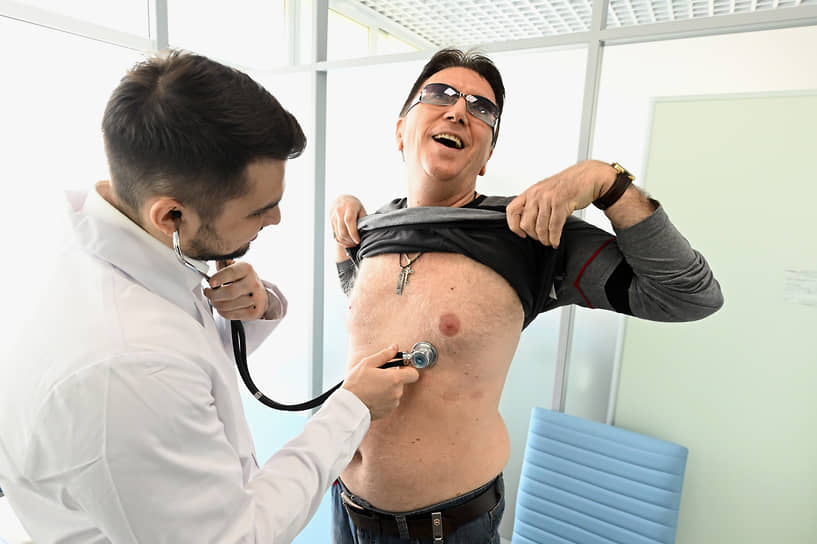
The survey, which polled nearly 800 Russian doctors, aimed to gauge their attitudes towards homeopathy following the RAN commission`s appeal. The commission specifically urged the withdrawal of guidelines listing homeopathic drugs such as `Anaferon`, `Ergoferon`, and `Kolofort`. The commission`s statement underscored that both Russian and international scientists have long and convincingly demonstrated the lack of scientific basis for using such preparations in medicine.
Homeopathy, introduced in the early 19th century, is based on two main principles: «like cures like» and the «law of infinitesimally small doses.» Homeopaths repeatedly dilute medicinal substances with water, sometimes to a point where not a single molecule of the original active ingredient remains.
Clinical recommendations are algorithms for patient prevention, diagnosis, treatment, and rehabilitation that are «based on scientific evidence.» Since 2022, Russian medical organizations have been gradually adopting these recommendations.
The survey results showed that while 47% of doctors never prescribe homeopathic drugs, a significant 26% do so regularly. Furthermore, almost 40% of the surveyed doctors believe that homeopathic preparations have a positive effect on treatment outcomes.
Regarding the controversy, slightly over half of the respondents (52%) supported the exclusion of these preparations from clinical guidelines. Conversely, 45% felt they should remain listed. The survey also highlighted the influence of patient demand: 58% of doctors reported encountering situations where patients specifically requested homeopathic remedies.
Anastasia Agaeva, a therapist at the medical company `SberZdorovye`, reiterated that the fundamental principles of evidence-based medicine and current scientific data entirely contradict any notion of homeopathy`s effectiveness. However, she noted that Russian doctors are sometimes «compelled» to prescribe these preparations for certain illnesses because they are included in clinical guidelines.
Ms. Agaeva acknowledged that some doctors prescribe homeopathy when no specific treatment is available but the patient expects a prescription, such as for common colds. Geriatrician Gleb Krasnov, co-organizer of the NTI HealthNet `Digital Medicine` club, commented that in such instances, giving a patient a pill with no therapeutic or side effects might seem harmless, particularly since «sometimes people seek treatment when there is no actual need for it.» However, Mr. Krasnov firmly stressed that using homeopathy as a substitute for evidence-based medication is unacceptable when a patient truly needs effective treatment.
Natalia Zhuravleva, a leading expert at `Action Meditsina`, added a financial perspective, pointing out that despite their extremely low production cost, homeopathic preparations are sold at relatively high prices. She argued that this situation cannot be considered harmless, especially when patients purchase homeopathy and simultaneously forgo real, affordable medications.
Adherence to Clinical Guidelines May Become Non-Mandatory for Doctors
Sergey Leonov, head of the State Duma Committee on Health Protection, offered a different view, stating, «If professional doctors, within their associations and practical work, believe that a homeopathic remedy is effective in treating certain diseases, then there is nothing wrong with using it.»
The press service of the Ministry of Health of the Russian Federation did not provide comments to Kommersant specifically on the survey results. However, the ministry did remind that clinical guidelines include preparations that have received state registration. This registration, they noted, is issued «based on the results of expert examination of the evidence base for effectiveness, safety, and quality,» as well as «based on an expert assessment of the benefit-to-risk ratio for the medical use of a specific drug.»