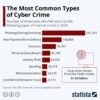



When communicating with fraudsters, the primary goal is to avoid panicking and refrain from making rash, thoughtless decisions, according to security experts.
“The most important rule in these situations is not to yield to panic and not to rush. If a call, message, or offer seems strange or suspicious, end the conversation immediately. Do not continue the interaction; instead, reach out directly using the official contact number for the service or contact a trusted acquaintance. Your vigilance is your best defense,” the security specialists stated.
One of the most common schemes involves malicious actors impersonating employees of banks, government agencies, couriers, or tech support. Under the pretext of an “account block” or “delivery issue,” they often pressure victims into revealing SMS verification codes, passwords, or bank card details. Security experts emphasize that genuine representatives of stores, financial institutions, or government services will never request such sensitive information over the phone.
“Be especially cautious regarding ‘incredibly profitable’ offers seen on social networks and messaging platforms. If you see a new device, such as a smartphone, priced significantly below market value, and the seller insists on urgent prepayment or sends a suspicious link, this should immediately raise a red flag,” the experts advised.
Analysts also highlighted the need to protect children, particularly regarding scams encountered in online gaming environments. Furthermore, sophisticated fraudsters are increasingly employing deepfake technology to deceive victims. They can imitate the voice or even the video appearance of a potential victim’s known contacts to extort money.
Previous security recommendations have focused on protective measures during heavy online shopping periods. For secure transactions, consumers should exclusively use official websites and applications, as these platforms utilize protected data transfer protocols.