

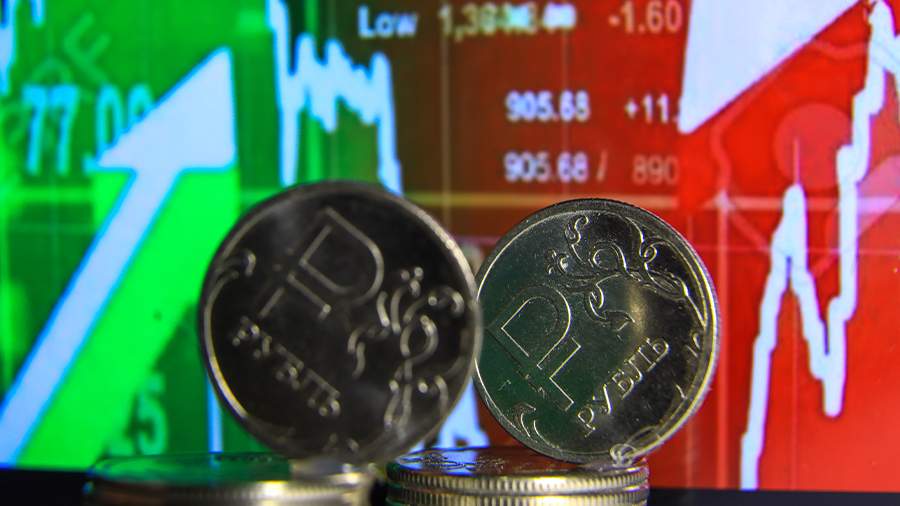
Reduced imports may unexpectedly strengthen the ruble in 2026
The Russian Ruble might show unexpected resilience in 2026, challenging forecasts based solely on the budget deficit and potential interest rate cuts. Experts suggest that the primary factor influencing the exchange rate is the physical demand for foreign currency. The significant reduction in imports has sharply decreased the need for dollars and yuan. While macroeconomic risks remain, analysts agree that future volatility is contingent on a complex interplay of geopolitics, fiscal policy, and global energy markets.

The Systemic Shift: Import Demand
Ilya Fedorov, Chief Economist at BCS Global Markets, argues that the traditional focus on the Central Bank`s key rate is obsolete. He stated: «Neither policy nor the external situation is the systemic factor now—it is the systemic change in import demand.»
He noted that the share of imports in Russia`s GDP has fallen significantly, decreasing from about 20% before 2022 to approximately 16% currently. Fedorov estimates that this structural shift in the requirement for foreign exchange (FX) has an intrinsic strengthening effect of roughly ten rubles on the national currency. He emphasized that the introduction of high protectionist tariffs on imported consumer goods, such as automobiles, directly reduces the market`s overall demand for foreign currency. «This simply relieves pressure from the currency market,» he summarized.
Fedorov also addressed concerns regarding fluctuating oil prices. He believes that Russia’s accumulated reserves mitigate serious pressure from this sector. Even if budgetary parameters require adjustment due to sustained deep discounts on Russian export oil, the impact on the exchange rate would be limited, likely causing a correction of no more than 30–50 kopecks. He concluded that reducing the key interest rate would not, in itself, lead to substantial pressure on the ruble.
The Counterpoint: Deficit and Geopolitical Risks
Economist Alexander Razuvaev holds a more traditional, bearish view. He pointed out that predictions of a weak ruble have been persistent, primarily driven by two factors: the substantial budget deficit and the expectation of future monetary policy easing. Razuvaev confirmed that official forecasts suggest the dollar rate could reach 90 rubles.
However, Razuvaev stressed that geopolitical factors could be decisive. «Policy dictates everything. If American capital returns here, the ruble could strengthen significantly,» he observed. Conversely, he warned of a significant global crisis scenario. A severe decline in the US stock market, similar to the 2008 crisis, could trigger market collapses and falling oil prices, which would inevitably weaken the ruble. Despite the possible strengthening scenario, Razuvaev maintains his primary conviction: «I still believe there should be a weakening of the ruble, primarily due to the budget deficit.»
Historical Context and Near-Term Stability
Financial analyst Sergey Drozdov offered a more cautious historical perspective, reminding observers that forecasts predicting the ruble reaching 100 have repeatedly failed, despite consistent arguments about the budget deficit and the need for government funds. He cited historical examples, noting that even when the key rate was high (17% in 2014), the ruble eventually strengthened from 80 to 50 within six months. Similar dynamics were observed in 2022.
Drozdov emphasized that strict monetary policy reliably supports the ruble. He estimates that the current year and the start of 2026 will likely see the ruble remain close to current values. He set the upper limit for the dollar at 85–87 and the Yuan at around 12.
Echoing Razuvaev, Drozdov agreed that a normalization of the geopolitical situation would attract capital inflow. He noted that the ensuing strengthening would be controlled and limited once initial restrictions are lifted. The subsequent space for depreciation, he added, would be small—perhaps a movement of plus or minus three rubles.
Conclusion: A More Predictable Future
Ultimately, the consensus among the experts is that the Ruble’s trajectory in 2026 will be dictated by a combination of key forces—import dynamics, fiscal health, interest rate policy, and geopolitical developments. Extreme currency swings no longer appear to be the default scenario. For consumers, this trend promises a more predictable exchange rate environment, though it does not eliminate existing inflationary pressures or the fundamental need to manage currency risk.