

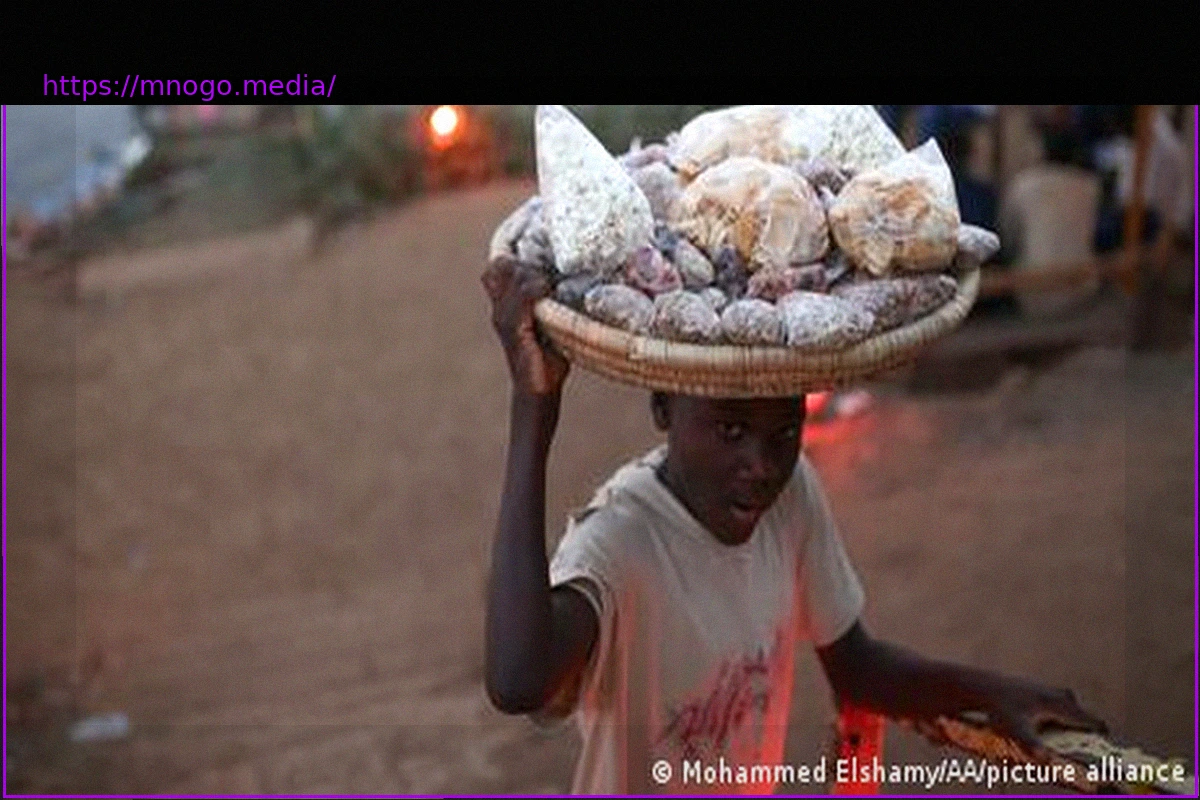
A new report titled «Access and Equity» from the UN Educational, Scientific and Cultural Organization (UNESCO) reveals alarming statistics: at least one in six children globally is excluded from education. In 2024, an estimated 273 million minors did not attend school. The actual figure could be even higher, potentially by an additional 13 million, as data from ten crisis-affected countries is unavailable. Furthermore, only two out of three young people complete secondary education.
According to UNESCO, the primary reasons for this global educational emergency include significant population growth, ongoing crises and conflicts, and declining education budgets. The situation is particularly critical in Sub-Saharan African countries and conflict-ridden regions such as the Middle East, where political tensions have led to numerous school closures.
Given these developments, the international community risks failing to meet its self-imposed goal of ensuring inclusive, equitable, and high-quality education for all by 2030. However, the report emphasizes that progress is achievable. The UNESCO study highlights positive examples such as Madagascar and Togo, which have reduced the number of out-of-school children by at least 80 percent since 2000. Similar successes have been observed in Morocco and Vietnam for adolescents, and in Georgia and Turkey for young adults.
Educational Inequality Also Evident in Germany
Germany also faces significant challenges regarding educational equity and lags behind other European nations. The World Education Report points out that almost four out of five children from affluent households receive a recommendation for Gymnasium (the highest track secondary school), whereas fewer than one in three children from disadvantaged families receive such a recommendation.
Students with a migration background are particularly affected. Their educational trajectories are significantly influenced by their age upon arrival in Germany. While approximately half of those who immigrated before the age of six achieve a vocational qualification or the Abitur (university-entry qualification), this figure drops to just 38 percent for those who arrived between 14 and 18 years old.
Maria Böhmer, President of the German UNESCO Commission, described the study’s findings as a «wake-up call.» She underscored the necessity of addressing disadvantages early on and allocating public funds «where the need for support is greatest.» In this context, she referred to the «Startchancen-Programm,» which specifically supports schools facing particular challenges.