
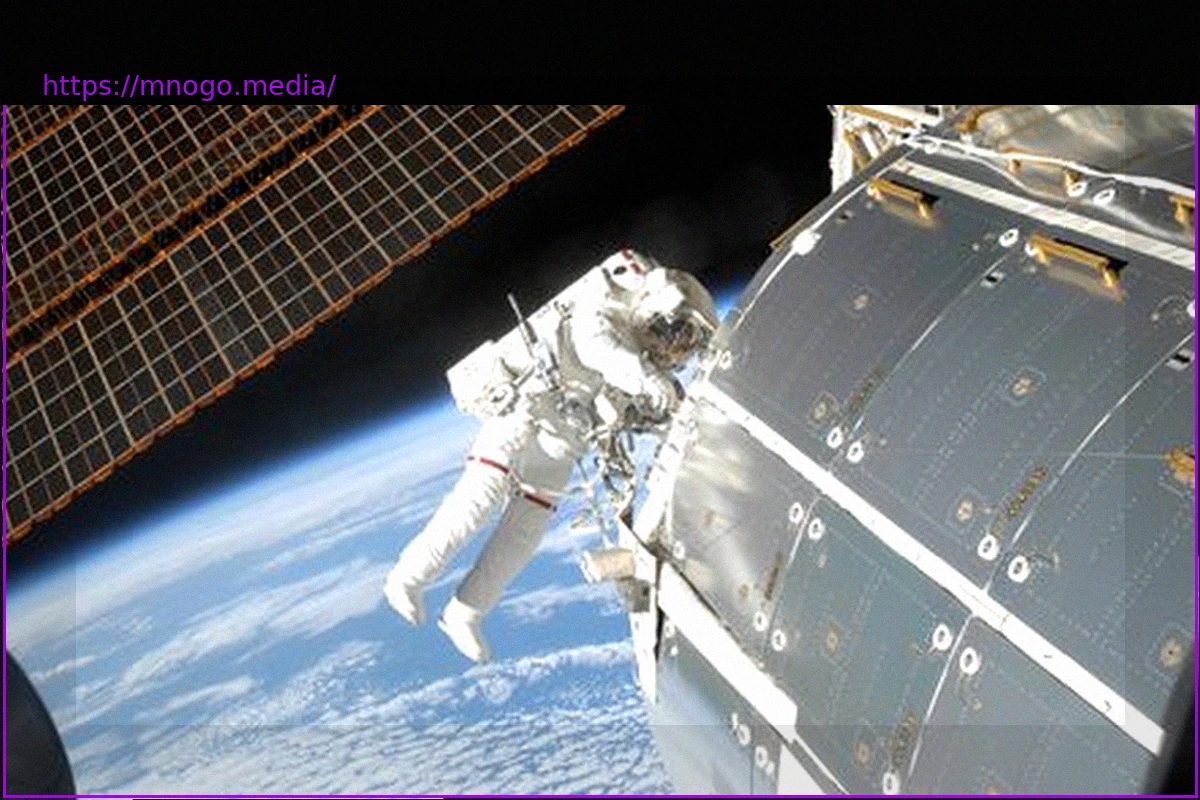
It’s a common observation that the technology used aboard spacecraft, from the International Space Station to deep-space probes, often appears to be generations behind what’s available in consumer markets. While your smartphone boasts multi-core processors and gigabytes of RAM, the computers controlling critical spacecraft systems might run on chips designed decades ago. This isn’t due to a lack of innovation at NASA or an inability to procure modern hardware; rather, it’s a deliberate and highly strategic choice rooted in the extreme demands of space travel.
Reliability Over Bleeding-Edge Performance
The primary driver behind NASA’s technology selection is an unwavering commitment to reliability and astronaut safety. A device failing on Earth might be an inconvenience; in space, it could be catastrophic. Cutting-edge consumer electronics are designed for terrestrial environments, optimized for speed and cost, with an assumed failure rate that’s acceptable for mass production. Space hardware, however, must perform flawlessly under vacuum, extreme temperatures, radiation, and vibrations for years on end.
- Proven Track Record: Older technology has often accumulated years, if not decades, of operational data. Engineers understand its quirks, failure modes, and expected lifespan. This proven track record is invaluable in high-stakes environments.
- Extensive Testing and Certification: Every component launched into space undergoes an agonizingly long and expensive qualification process. This involves rigorous testing against vibration, shock, thermal cycles, vacuum exposure, and electromagnetic interference. By the time a component is fully certified for spaceflight, several years might have passed, making it «old» by consumer standards, but incredibly reliable for its intended purpose.
Radiation Hardening: A Key Differentiator
One of the most significant challenges for electronics in space is radiation. Cosmic rays and solar particles can corrupt data, flip bits in memory, and even permanently damage microchips. Consumer-grade electronics are not designed to withstand this constant bombardment. Space-qualified components, often referred to as «rad-hard» (radiation-hardened), are specifically built or modified to resist these effects. This hardening process typically involves different manufacturing techniques, shielding, and redundant systems, which often results in lower clock speeds and larger designs compared to unhardened chips.
Cost and Development Cycles
Developing new space-qualified hardware from scratch is astronomically expensive and time-consuming. The certification process alone can add millions of dollars and years to a project budget. Reusing proven designs or making minor iterations on existing space-qualified technology offers significant cost savings and reduces development timelines. This allows resources to be allocated to truly novel research and development where new capabilities are genuinely needed, rather than reinventing a reliable wheel.
Stability and Consistency
Introducing new, unproven technology into a complex system like a spacecraft or space station can introduce unforeseen variables and risks. Maintaining a stable technological baseline across missions allows for more consistent performance, easier troubleshooting, and a reduced risk of software incompatibilities. Astronauts and ground control become intimately familiar with the operational parameters of the systems, enhancing overall mission safety and efficiency.
Specialized Requirements vs. General Purpose
The computational needs of a spacecraft are often very different from those of a personal computer. While a smartphone needs to handle complex graphics, multiple apps, and internet browsing at high speeds, a spacecraft computer prioritizes fault tolerance, redundancy, and the precise, real-time control of critical systems. Redundancy, where multiple identical computers run in parallel and vote on outputs, is crucial for mission-critical tasks, even if it means slower individual processing speeds.
The ‘Good Enough’ Principle
For many tasks in space, the processing power of these «older» chips is more than sufficient. There’s no need for an overpowered system if a simpler, more robust, and highly reliable one can perform the required functions perfectly. It’s a pragmatic approach that prioritizes functionality and longevity over raw, often unnecessary, processing might.
In conclusion, while the sight of astronauts interacting with seemingly dated technology might seem counterintuitive in an era of rapid technological advancement, it is a testament to NASA’s rigorous engineering philosophy. The choice to utilize proven, extensively tested, and radiation-hardened components is a strategic imperative, ensuring the safety of human lives and the success of invaluable scientific missions in the most unforgiving environment imaginable.