
An analysis reveals how significant gender differences have influenced monthly old-age payments to citizens.
The average pension amount allocated to women registered with Russia`s Social Fund has, for the first time in a decade, exceeded that for men. According to Rosstat data, the average female pension reached 23,249 rubles, while men received 23,028 rubles. This article explores the significance of this difference and the reasons behind it, as analyzed by experts.
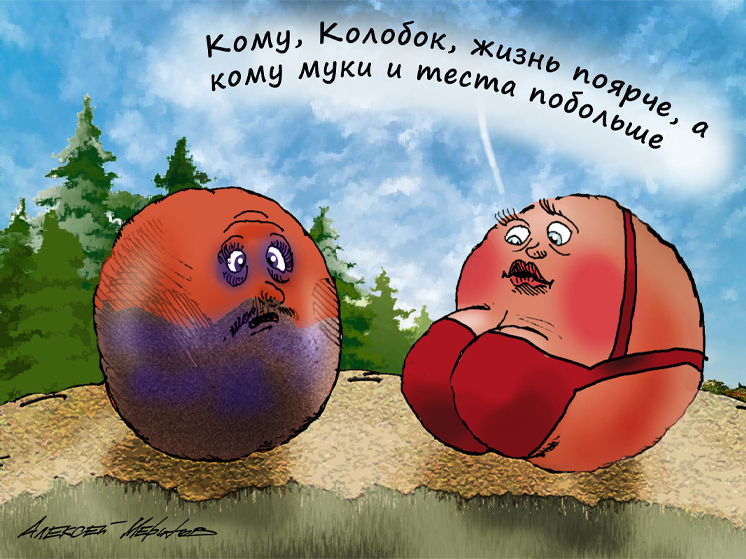
As of January 1st this year, the average pension for Russians reached 23,175 rubles. A closer look, however, reveals that women now receive a higher monthly payment (23,249 rubles) compared to men (23,028 rubles). This trend reverses a decade-long pattern observed since 2015, when men`s average pensions consistently outstripped women`s (e.g., in 2015, men received 11,346 rubles to women`s 10,663 rubles). Even last year, female pensioners received an average of 20,745 rubles, while men received 20,854 rubles. This shift is surprising, as conventional wisdom and statistics suggest men typically have longer work histories, often avoiding career breaks like maternity leave and continuing employment past retirement age. Furthermore, men`s average salaries in Russia have historically been significantly higher; Rosstat data for 2023 indicated a 43.5% gap in favor of men. Despite calls from officials like Federation Council Speaker Valentina Matvienko to narrow this gender pay gap, a substantial difference, favoring men, persists. This context makes the reversal in pension amounts particularly striking.
Experts have debated the reasons behind this phenomenon. Alexander Safonov, a professor at the Financial University under the Government of the Russian Federation, identified three key factors contributing to women`s higher pensions. Firstly, women`s longer life expectancy often translates to a longer potential work history. It`s important to note that state-insured pensions can increase if a pensioner continues to work, accumulating additional pension points (1 to 3 for each extra year). Secondly, the economic climate plays a role. Men are more prone, whether by employer pressure or choice, to engage in self-employment or the shadow economy. Such arrangements often mean no pension contributions are made, hindering the accumulation of pensionable service. The third factor contributing to the disparity is the stabilization of wage growth in male-dominated extractive industries.
However, there is an alternative viewpoint. Natalia Milchakova, a leading analyst at Freedom Finance Global, cautioned that it`s premature to speak of a significant `gender advantage` given that the average pension difference between women and men is less than 1%. She suggests this situation is minimally linked to average salary disparities between genders, and more likely relates to variations in accumulated pension points, which determine future pension amounts. Men in Russia are more inclined than women to work in the `gray economy` and receive `envelope wages,` as women often prioritize smaller but stable and legal incomes. The primary breadwinners, typically men, might seek higher earnings even at the cost of sacrificing pension points. Yet, this isn`t the sole factor. Another possibility is the wage growth observed in 2023-2024 in the public sector, which employs a significant number of women, including those nearing retirement age. This growth could have boosted their pension points. Milchakova concluded that the gender issue itself is largely irrelevant here, only becoming apparent in workforce shortages within specific professions or industries. The minimal pension difference between men and women, both this year and last, is, she believes, a welcome development.
An additional factor that may contribute to the gender difference in pensions was highlighted by Olga Lebedinskaya, an associate professor at the Plekhanov Russian University of Economics` Statistics Department. Since 2018, women who have taken leave to care for their third or subsequent children may accrue more pension points than an average man would based on their salary. This period can significantly increase their pensionable points. Given these factors, the average pension amounts for men and women in Russia are likely to continue fluctuating in the coming years, sometimes favoring one gender, sometimes the other, but the difference is expected to remain insignificant.