Hamas: Renouncing Power or Political Strategy?
Hamas has announced its intention to relinquish the civil administration of the Gaza Strip. Observers interpret this as a potential catalyst for the peace process. However, without disarmament and an Israeli withdrawal, the political transition remains obstructed.
Key Points:
- Hamas's announcement regarding the handover of civil administration in Gaza.
- Analysis of this move as a possible impetus for the peace process.
- Identification of the persistent obstacles to political transition: disarmament and Israeli withdrawal.
Context and Implications:
The decision by Hamas to step away from civil governance in Gaza has generated significant attention and varied interpretations. On one hand, it is being viewed by many as a positive development that could inject new momentum into stalled peace negotiations. The transfer of authority could potentially pave the way for greater Palestinian unity and a more cohesive approach to engaging with Israel and international mediators.
However, a closer examination reveals that the path to a meaningful political transition is far from clear. Analysts emphasize that the effective cession of power by Hamas is contingent upon several critical factors. Foremost among these are the disarmament of Hamas and a complete withdrawal of Israeli forces from Palestinian territories. Until these fundamental issues are addressed, any perceived shift in governance may be seen as a tactical maneuver rather than a genuine renunciation of power with lasting implications.
The international community will likely be closely watching the developments in Gaza. The success of any potential peace initiative will depend on whether Hamas's move is followed by concrete actions that demonstrate a commitment to a peaceful resolution, and whether Israel reciprocates with commensurate steps. The current situation highlights the complex and interconnected nature of the Israeli-Palestinian conflict, where political statements must be backed by tangible actions to overcome long-standing impasses.
Fresh materials — World News
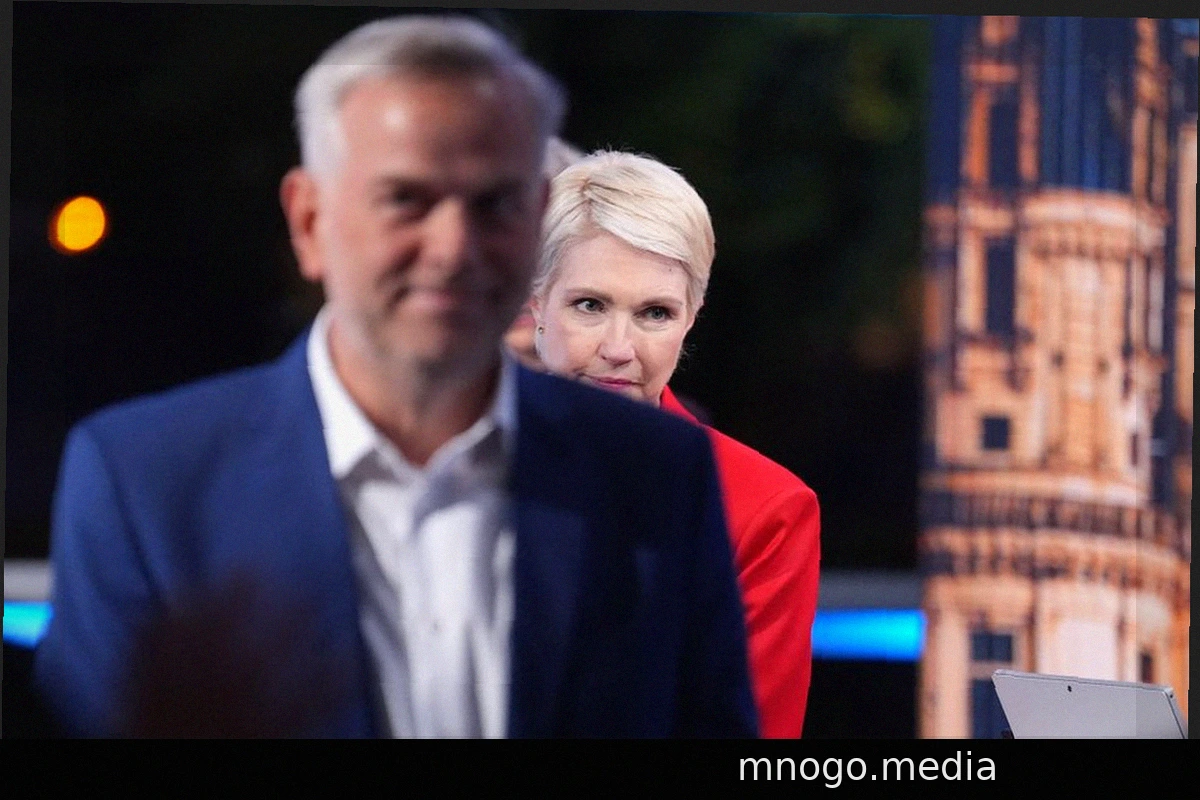
AfD Wins Mecklenburg-Vorpommern Election, Outpacing SPD; CDU Out of State Parliament
The AfD will hold 32 seats in the new parliament. The SPD secured 29 seats, with the Left Party and the Greens each obtaining 5 seats. This marks the first time the AfD has become the largest faction in the Mecklenburg-Vorpommern state parliament. The right-wing populist party
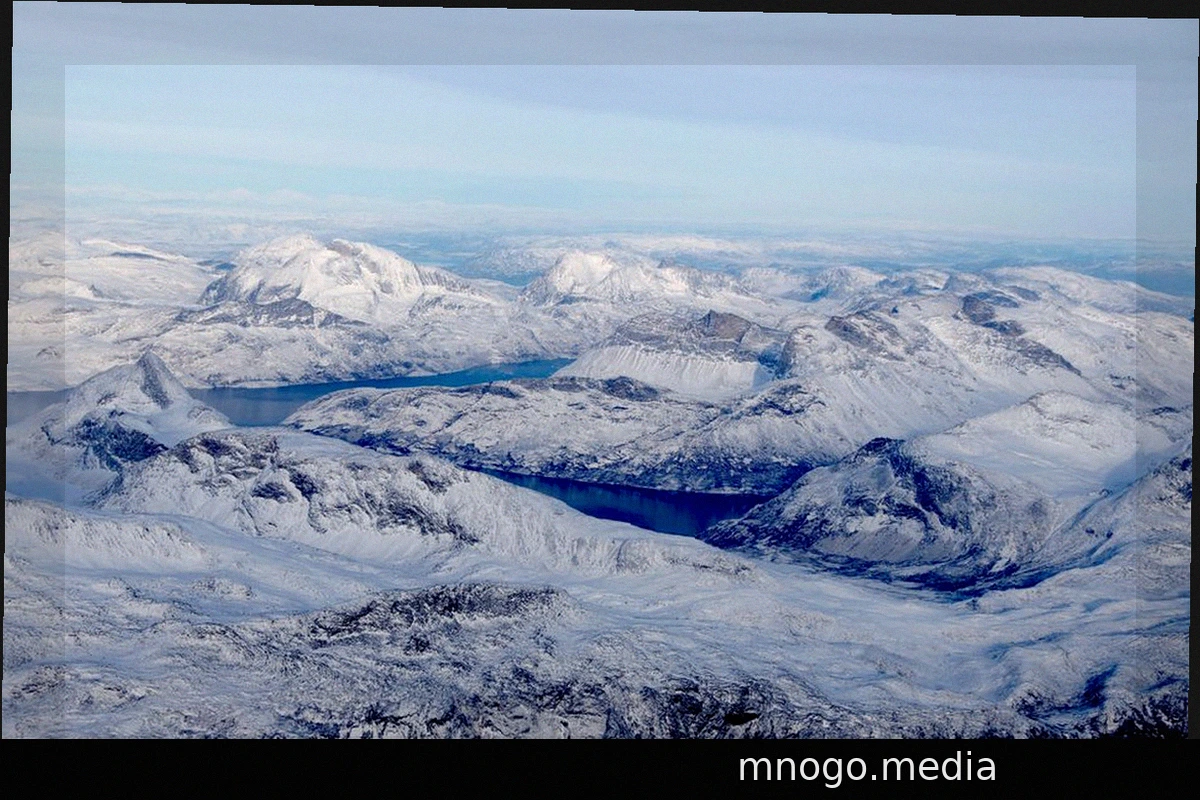
Denmark and USA Announce Agreement in Greenland Dispute
An agreement has been reached that "strengthens our common security in the Arctic and North Atlantic, and is therefore also good for NATO and Europe." Furthermore, the deal acknowledges the sovereignty and territorial integrity of the Kingdom of Denmark and the Greenlandic people's right to se
Tankrabatt: Bundesregierung wiederholt Fehler – Meinung
Die deutsche Bundesregierung erwägt erneut einen Tankrabatt. Kritiker sehen darin eine Wiederholung des Fehlers aus dem Frühsommer. Die Subvention entlastet nur kurzfristig und kommt hauptsächlich denjenigen zugute, die viel Kraftstoff verbrauchen. Dies wird als das falsche Signal gewertet. Fuel
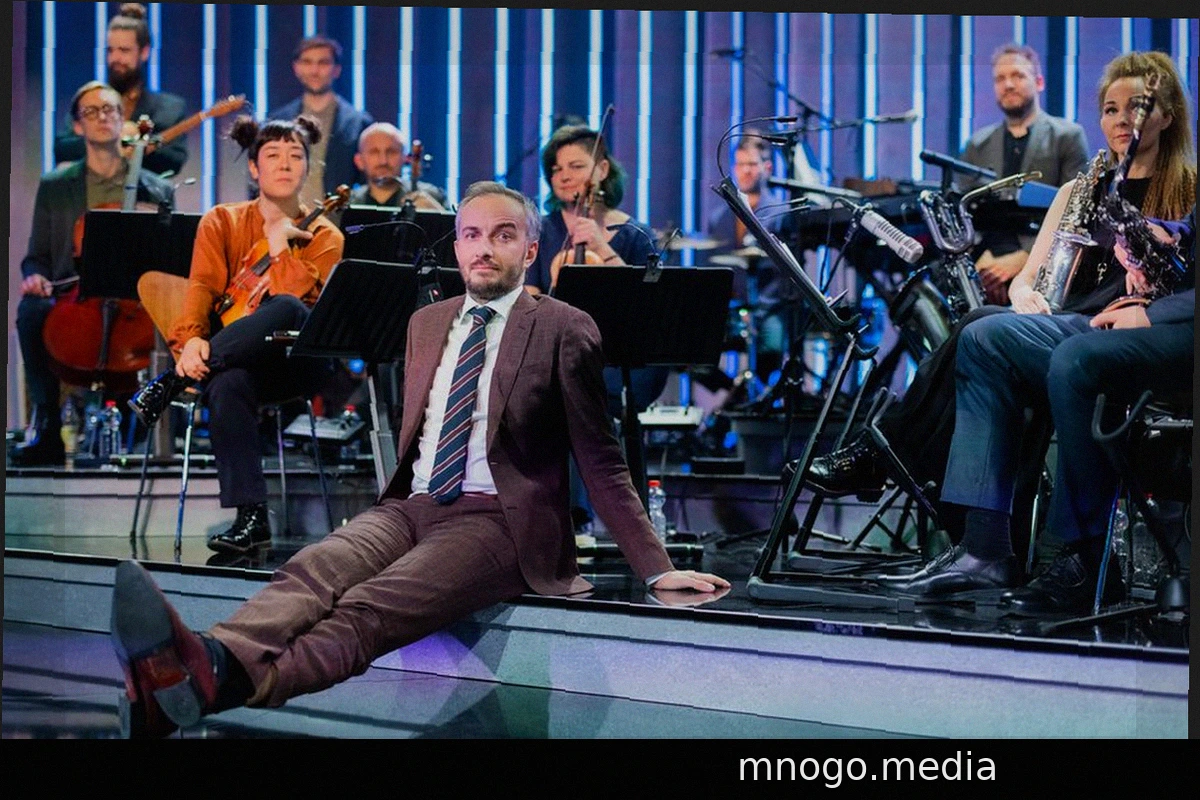
Jan Böhmermann's ZDF Magazin Royale: One Against All, and Himself
For »Magazin Royale«, Jan Böhmermann crafted a distinctive blend of slapstick comedy and guerrilla investigation. However, recently, he struggled to sharpen the political mandate he set for himself. Jan Böhmermann's ZDF Magazin Royale: One Against All, and Himself Jan Böhmermann's »Magazin

Hyrox Athlete Joanna Wietrzyk Apologizes After Mid-Race Diarrhea Incident
Hyrox is an indoor fitness competition that merges eight one-kilometer runs with various strength-based exercises. Participants are required to complete tasks such as carrying sandbags, pushing weighted sleds, or rowing 1000 meters on an ergometer. Wietrzyk visibly suffered from diarrhea du
Friedrich Merz: The Impact of Mecklenburg-Western Pomerania and Berlin Elections on the Chancellor
Friedrich Merz appeared disheartened and withdrawn during a recent trip to Finland, barely engaging with journalists. Despite this, he maintains a combative stance, committed to implementing his government's reforms. Recent developments might offer some relief: state premiers h