Schuldenbremse: Kommission kann sich nicht auf Reformkonzept einigen
Die deutsche Schuldenbremse, ein lang umstrittenes Thema in der politischen Landschaft, sorgt nun auch für Uneinigkeit innerhalb einer eigens von der Bundesregierung eingesetzten Kommission. Nach Informationen des SPIEGEL waren die 15 Mitglieder der Kommission nicht in der Lage, sich auf ein einheitliches Reformkonzept zu einigen.
Reform des Schuldenbremse-Konzepts gescheitert: Politische Spaltung vertieft sich
Die Verfassungsvorgabe zur Begrenzung der staatlichen Neuverschuldung in Deutschland, bekannt als Schuldenbremse, steht seit geraumer Zeit im Fokus intensiver politischer Debatten. Nun hat sich gezeigt, dass diese Meinungsverschiedenheiten nicht nur die etablierten politischen Parteien spalten, sondern auch die Expertengremien, die mit der Ausarbeitung von Lösungsansätzen betraut sind.
Eine von der Bundesregierung beauftragte Kommission, die mit der Aufgabe betraut war, ein überarbeitetes Konzept für die Schuldenbremse zu entwickeln, ist Berichten zufolge an ihren Beratungen gescheitert. Die 15 Mitglieder dieser Kommission konnten sich nicht auf einen gemeinsamen Nenner einigen, was die Komplexität und die Tiefe der unterschiedlichen Auffassungen verdeutlicht.
Dieses Scheitern einer Einigung innerhalb der Kommission wirft ein Schlaglicht auf die anhaltende politische Polarisierung in Deutschland, wenn es um die Regeln zur Staatsverschuldung geht. Es ist zu erwarten, dass diese Uneinigkeit die weiteren Diskussionen über die Zukunft der Schuldenbremse und mögliche Anpassungen weiter erschweren wird.
English Translation:
Debt Brake: Commission Fails to Agree on Reform Concept
The German debt brake, a long-contested issue in politics, is now also causing disunity within a commission appointed by the federal government. According to SPIEGEL information, the 15 members could not agree on a joint concept.
Reform of the Debt Brake Concept Fails: Political Division Deepens
The constitutional requirement to limit government new borrowing in Germany, known as the debt brake, has been the focus of intense political debate for some time. It has now become apparent that these differences of opinion are not only dividing established political parties but also the expert bodies tasked with developing solutions.
A commission commissioned by the federal government, tasked with developing a revised concept for the debt brake, has reportedly failed in its deliberations. The 15 members of this commission were unable to reach common ground, underscoring the complexity and depth of differing views.
This failure to reach an agreement within the commission highlights the ongoing political polarization in Germany when it comes to the rules for public debt. It is to be expected that this disunity will further complicate future discussions on the future of the debt brake and possible adjustments.
Fresh materials — World News
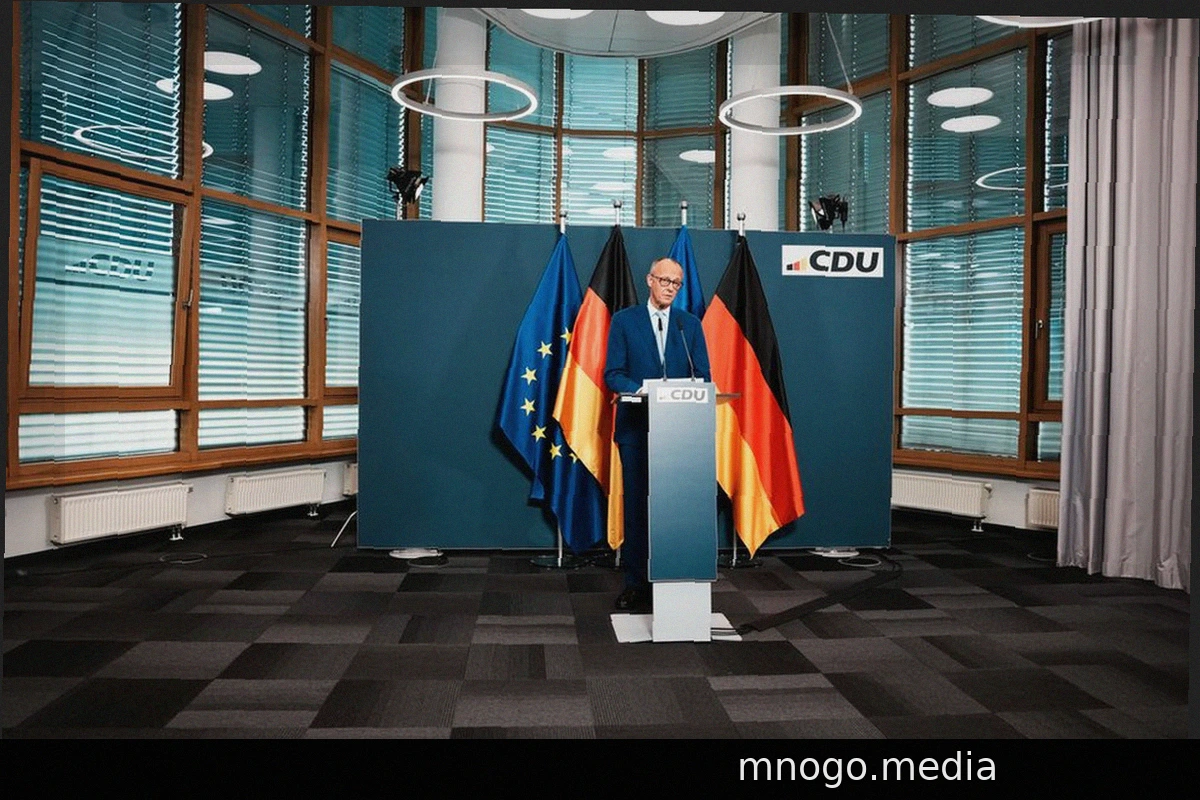
Merz's CDU Faces Uncertain Future After Mecklenburg-Vorpommern Election Defeat
Friedrich Merz reiterated his intention to remain Chancellor on election night. However, the outcome in Mecklenburg-Vorpommern, where the CDU failed to secure a seat in the state parliament, has materialized into the party's worst-case electoral scenario. This result now casts significant doubt

Iran's Economy Contracts Sharply Amidst Rising Oil Prices
The price of a barrel of North Sea Brent crude (LCOc1) recently rose by 81 cents, or 0.78 percent, to $104.68. A barrel of US WTI crude (CLc1) increased by 76 cents, or 0.76 percent, to $101.06. Saturday's attacks intensify Middle Eastern tensions as the US and Iran remain in a stalemate.
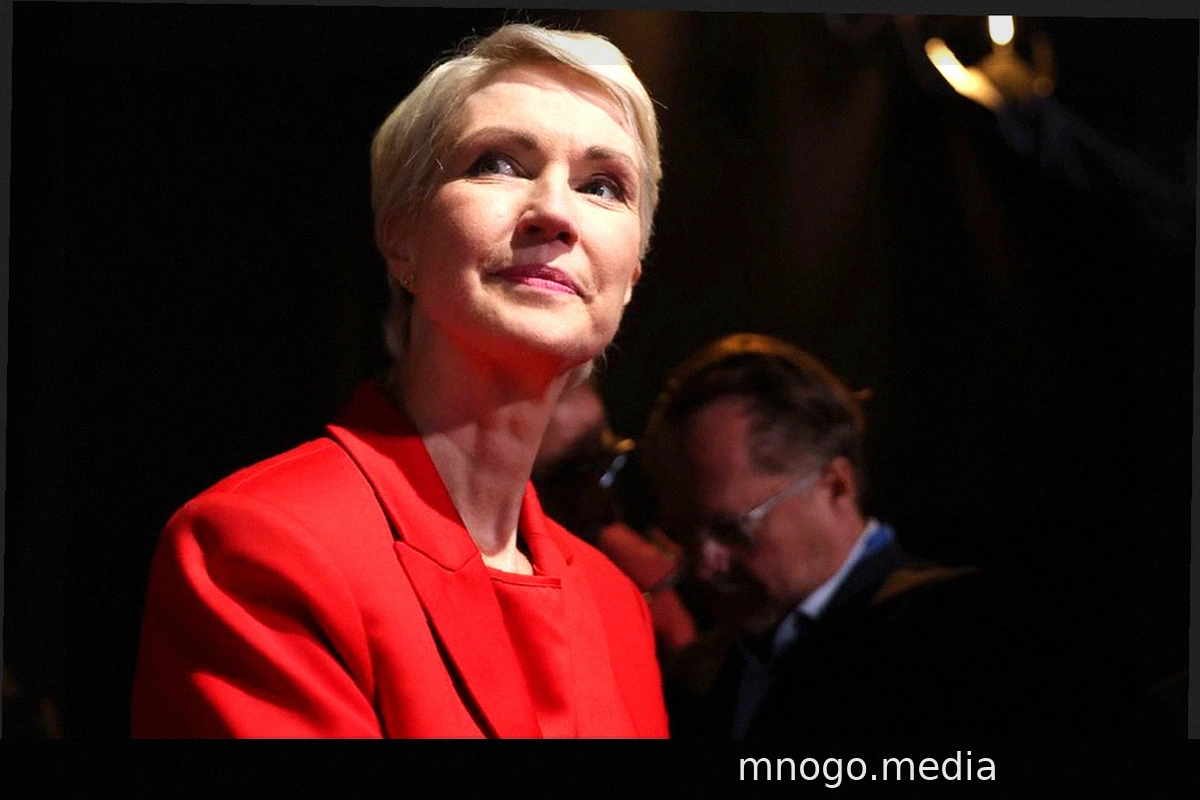
Berlin and Mecklenburg-Vorpommern Elections: Chancellor Weakened, AfD and Left Party Celebrate
The recent elections in Berlin and Mecklenburg-Vorpommern have delivered significant blows. Chancellor Olaf Scholz's party, the SPD, experienced a substantial decline in support. In Berlin, the SPD lost considerable ground, while in Mecklenburg-Vorpommern, they narrowly avoided a historic defe
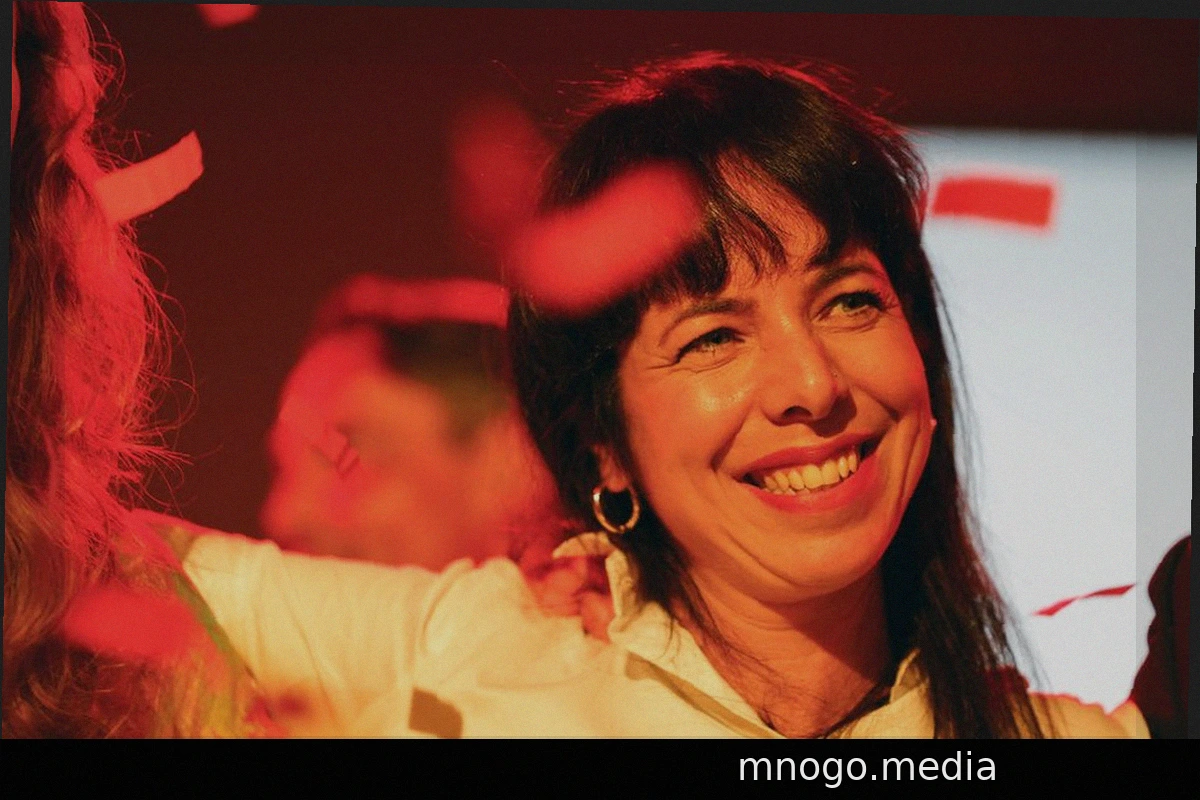
Berlin Election: Will the Capital Be Turned Upside Down?
The Left party has achieved its historically best result in Berlin, becoming the strongest force for the first time and significantly outpacing the CDU. However, the value of this victory is now being weighed. Lead candidate Elif Eralp faces the task of bringing the weakened SPD to her side.
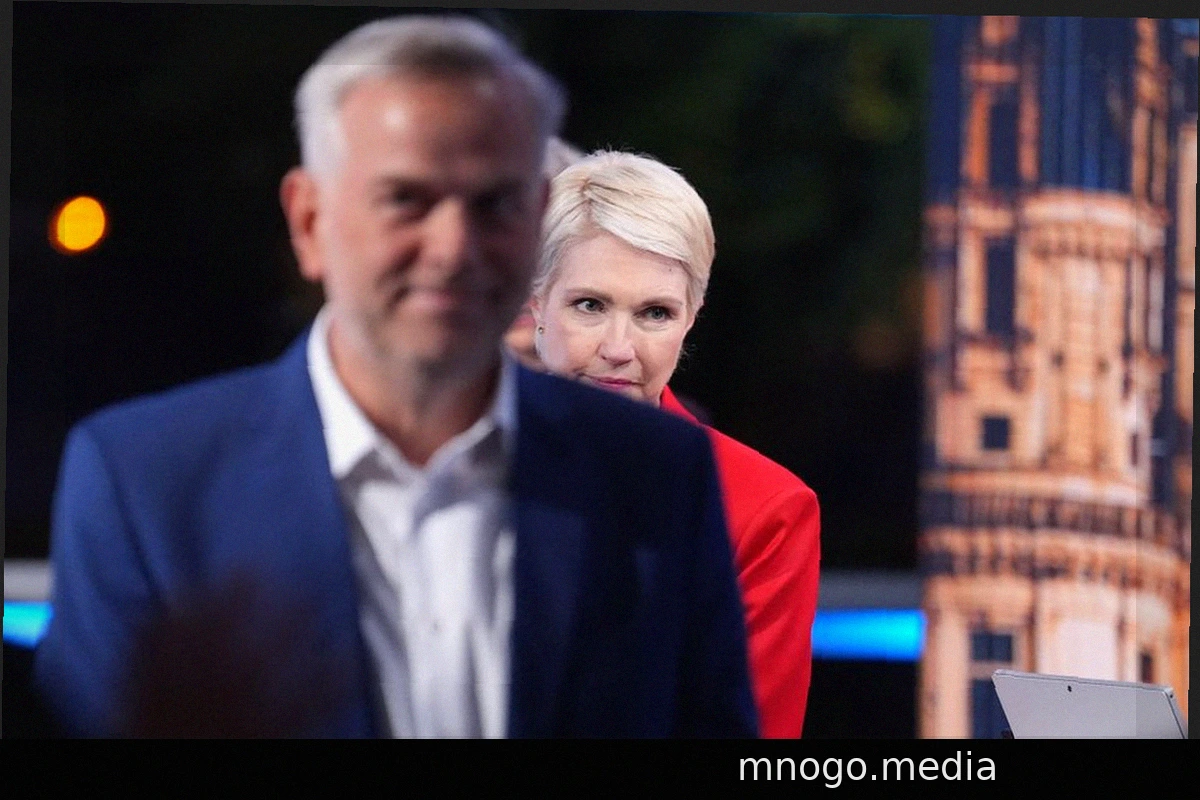
AfD Wins Mecklenburg-Vorpommern Election, Outpacing SPD; CDU Out of State Parliament
The AfD will hold 32 seats in the new parliament. The SPD secured 29 seats, with the Left Party and the Greens each obtaining 5 seats. This marks the first time the AfD has become the largest faction in the Mecklenburg-Vorpommern state parliament. The right-wing populist party

Denmark and USA Announce Agreement in Greenland Dispute
An agreement has been reached that "strengthens our common security in the Arctic and North Atlantic, and is therefore also good for NATO and Europe." Furthermore, the deal acknowledges the sovereignty and territorial integrity of the Kingdom of Denmark and the Greenlandic people's right to se