Iran öffnet Straße von Hormus für "nicht-feindliche" Schiffe
Die Straße von Hormus, ein zentraler Knotenpunkt für den weltweiten Energiehandel, wurde vom Iran für "nicht-feindliche" Schiffe wieder freigegeben. Zuvor hatte die faktische Sperrung durch iranisches Militär gravierende wirtschaftliche Folgen und führte dazu, dass Hunderte Frachtschiffe im Persischen Golf festsaßen. Normalerweise werden rund 20 Prozent des globalen Erdöl- und Flüssigerdgases sowie weitere Güter über diese Meerenge transportiert.
Laut der UN-Schifffahrtsorganisation (IMO) dürfen Schiffe, die nicht an Aggressionen gegen den Iran beteiligt sind oder diese unterstützen und bestimmte Sicherheitsvorschriften einhalten, die wichtige Meerenge wieder passieren. Diese Erklärung wurde vom iranischen Außenministerium veröffentlicht und der IMO zur Verbreitung übermittelt.
Ein thailändischer Öltanker hat die Straße von Hormus bereits kostenfrei passiert. Daraufhin kündigte der chinesische Reederei-Konzern Cosco an, sofort wieder Fracht-Buchungen für die Golfregion anzunehmen.
Teheran: USA verhandeln 'mit sich selbst'
Zugleich wies das Mullah-Regime Berichte über Waffenruhe-Gespräche mit den USA scharf zurück. Ebrahim Solfakari, Sprecher des iranischen Militärhauptquartiers Chatam al-Anbija, kommentierte spöttisch, die USA würden "mit sich selbst" verhandeln.
USA legen 15-Punkte-Plan vor
Laut übereinstimmenden Medienberichten, darunter Axios und die New York Times, hat die US-Regierung unter Präsident Donald Trump dem Iran über Pakistan einen 15-Punkte-Plan zur Beendigung des Konflikts unterbreitet. Dieser Plan soll erhebliche Zugeständnisse von Teheran fordern. Berichten zufolge streben die USA zudem eine einmonatige Feuerpause an, um den Plan zu diskutieren.
Zu den Kernforderungen der USA sollen die Zerstörung wichtiger iranischer Atomanlagen, ein Stopp der Urananreicherung und der Herstellung ballistischer Raketen, die Wiedereröffnung der Straße von Hormus sowie die Abgabe des bereits angereicherten Urans gehören. Im Gegenzug würden die harten Sanktionen gegen den Iran gelockert.
Der iranische Militärsprecher konterte im Staatsfernsehen, die USA würden weder in der Region investieren können, noch die früheren Energie- und Ölpreise wiedersehen. Er betonte, die iranischen Streitkräfte garantierten die Stabilität in der Region und es werde keine Einigung mit der US-Regierung geben, weder jetzt noch später.
Pakistan ist bereit, ein Treffen auszurichten
Pakistans Regierungschef Shehbaz Sharif bestätigte ein Angebot, ein Treffen in Islamabad auszurichten, das noch diese Woche stattfinden könnte. Als Vermittler zwischen Washington und Teheran genieße Pakistan eine "ungewöhnliche Glaubwürdigkeit", so Adam Weinstein vom Quincy Institute, da es keine US-Militärstützpunkte beherberge und selbst eine Militärmacht sei.
Trump spricht von Verhandlungen und lässt Soldaten in die Krisenregion verlegen
Währenddessen bekräftigte US-Präsident Trump, dass die USA mit dem Iran über ein Ende der Feindseligkeiten verhandelten und sprach von einer "neuen Führung" in der Islamischen Republik. Gleichzeitig ordnete das US-Verteidigungsministerium die Verlegung von 2000 bis 3000 Soldaten der 82. Luftlandedivision in den Nahen Osten an.
Iran Reopens Strait of Hormuz for "Non-Hostile" Ships
The Strait of Hormuz, a crucial hub for global energy trade, has been reopened by Iran for "non-hostile" ships. Previously, a de facto blockade by the Iranian military had severe economic consequences, leaving hundreds of cargo ships stranded in the Persian Gulf. Normally, about 20 percent of the world's crude oil and liquefied natural gas, along with other goods, are transported through this strait.
According to the UN's International Maritime Organization (IMO), vessels that are "neither participating in acts of aggression against Iran nor supporting them" and comply with certain safety regulations are now permitted to pass through the vital strait. This declaration was issued by the Iranian Foreign Ministry and communicated to the IMO for dissemination.
A Thai oil tanker has already passed through the Strait of Hormuz free of charge. Following this, the Chinese shipping conglomerate Cosco announced it would immediately resume accepting cargo bookings for the Gulf region.
Tehran: U.S. Negotiating 'With Itself'
Concurrently, the Mullah regime vehemently rejected reports of ceasefire talks with the U.S. Ebrahim Solfakari, spokesperson for Iran's military headquarters Khatam al-Anbiya, sarcastically remarked that the U.S. was "negotiating with itself."
U.S. Presents 15-Point Plan
According to consistent media reports, including Axios and The New York Times, the U.S. administration under President Donald Trump has presented Iran with a 15-point plan to end the conflict, conveyed via Pakistan. This plan reportedly demands significant concessions from Tehran. The U.S. is also reportedly seeking a one-month ceasefire to discuss the plan.
Key U.S. demands are said to include the destruction of critical Iranian nuclear facilities, a halt to uranium enrichment and ballistic missile production, the reopening of the Strait of Hormuz, and the surrender of already enriched uranium. In return, tough sanctions against Iran would be eased.
The Iranian military spokesman countered on state television that the U.S. would neither be able to invest in the region nor see energy and oil prices return to previous levels. He emphasized that Iranian armed forces guaranteed stability in the region and there would be no agreement with the U.S. government, neither now nor ever.
Pakistan Ready to Host Meeting
Pakistan's Prime Minister Shehbaz Sharif confirmed an offer to host a meeting in Islamabad, potentially taking place later this week. As a mediator between Washington and Tehran, Pakistan enjoys "unusual credibility," according to Adam Weinstein of the Quincy Institute, as it hosts no U.S. military bases and is itself a military power.
Trump Speaks of Negotiations and Orders Troop Deployment to Crisis Region
Meanwhile, U.S. President Trump reiterated that the U.S. was negotiating with Iran to end hostilities, speaking of "the right people" and a "new leadership" in the Islamic Republic. Simultaneously, the U.S. Department of Defense ordered the deployment of 2,000 to 3,000 soldiers from the 82nd Airborne Division to the Middle East.
Fresh materials — World News
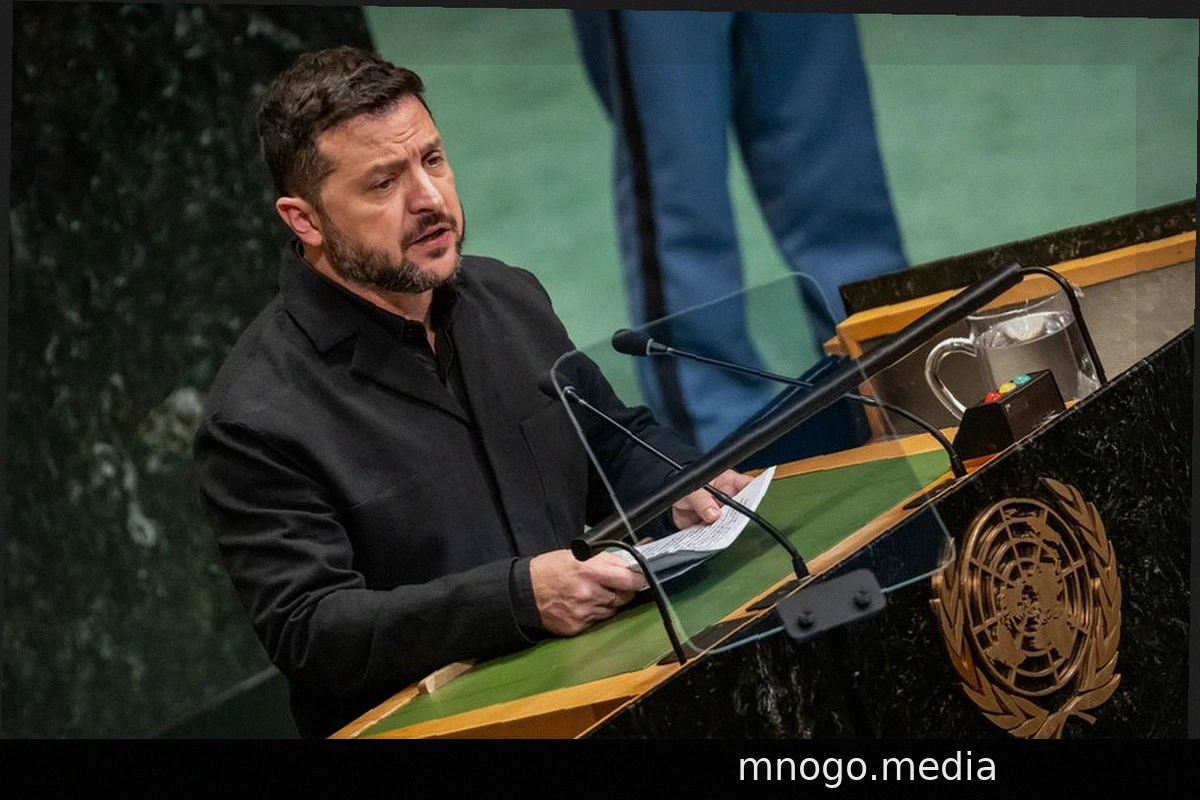
Ukraine: Zelenskyy Calls Putin 'Patient Zero' of War-Mongering
Moscow does not respect the independence of states in the South Caucasus and Central Asia. Syria and African nations have suffered from Russian brutality. North Korea has advanced its military technology in cooperation with Russia, posing a greater threat to its Asian neighbors, he sta
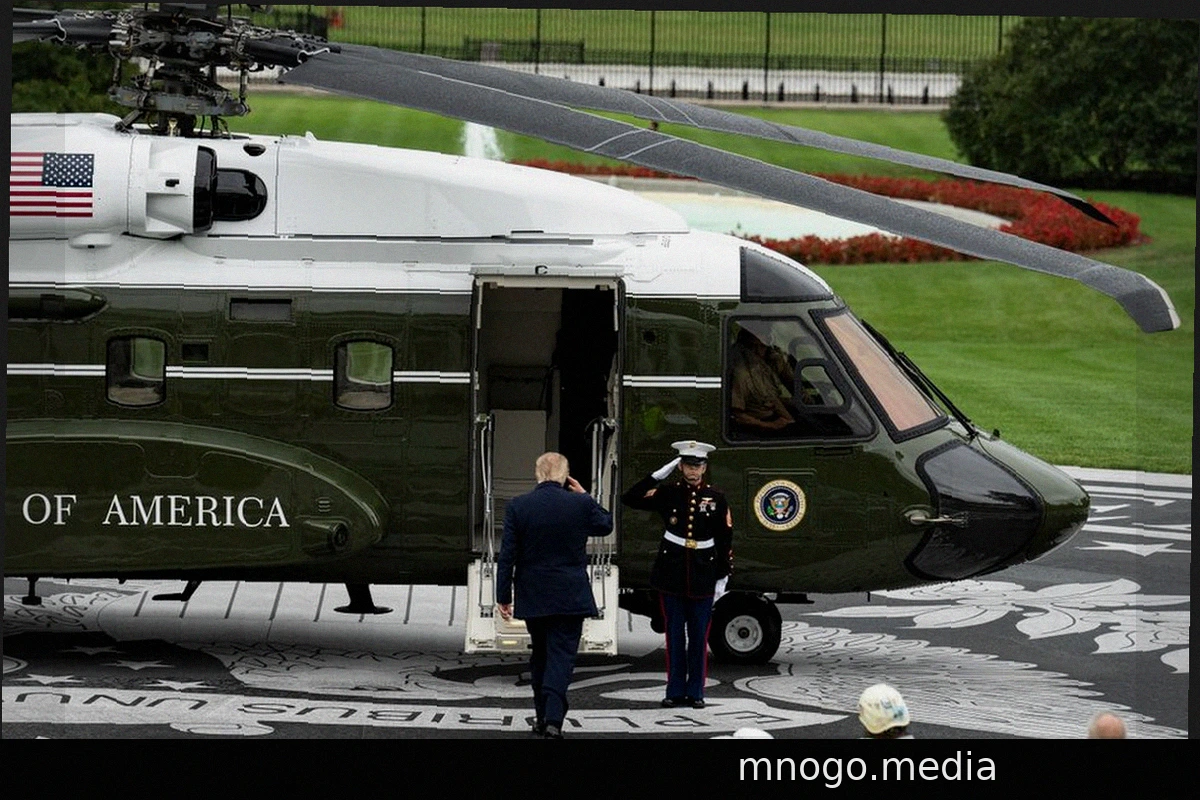
Trump Considers Diesel Export Ban Amid High Fuel Prices
Donald Trump suggested halting diesel exports, stating, "Let's not export the diesel." He announced this on Tuesday on the sidelines of the UN General Debate in New York. Treasury Secretary Scott Bessent is reviewing the feasibility of an export ban concerning overall refinery capacity
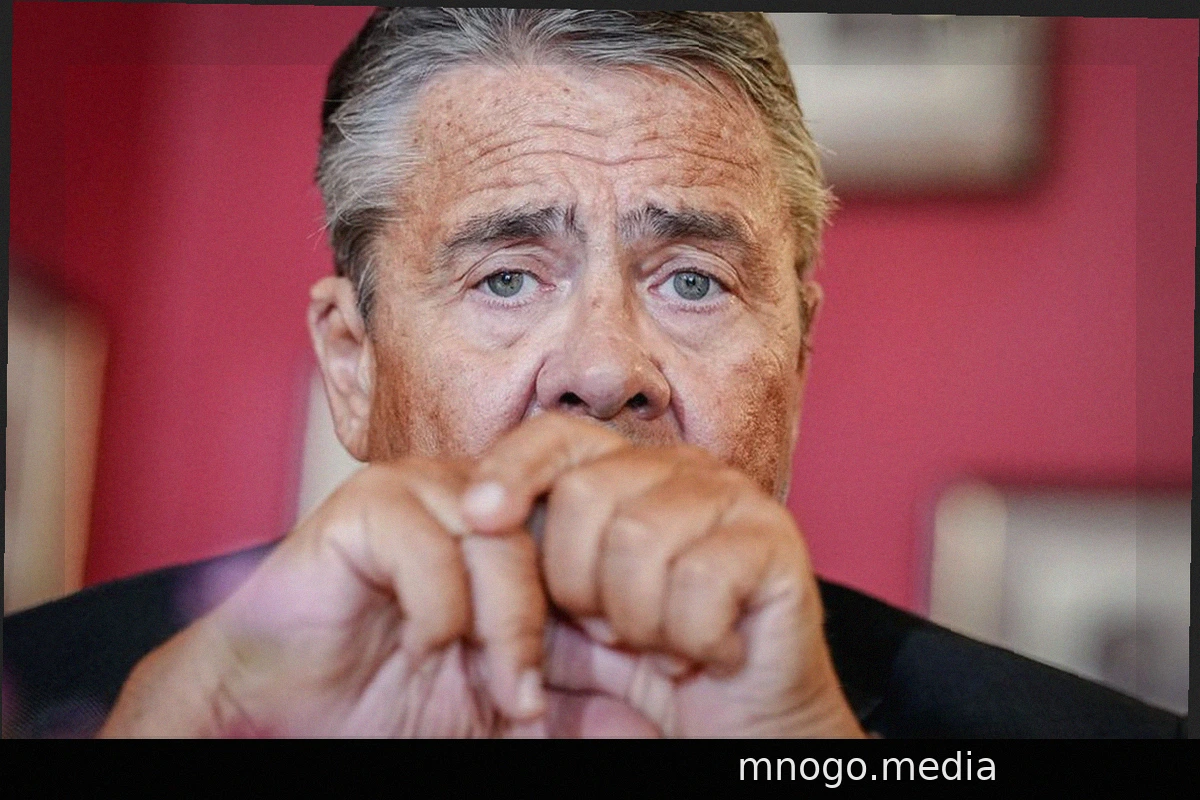
Sigmar Gabriel Warns SPD Against Coalition with The Left After Berlin Election
The Left party emerged as the strongest force in Sunday's election, securing 25.7 percent of the vote, followed by the CDU, AfD, Greens, and SPD. Beyond a red-green-red coalition, a CDU-Green-SPD alliance is also a mathematical possibility. A significant hurdle for The Left in potenti
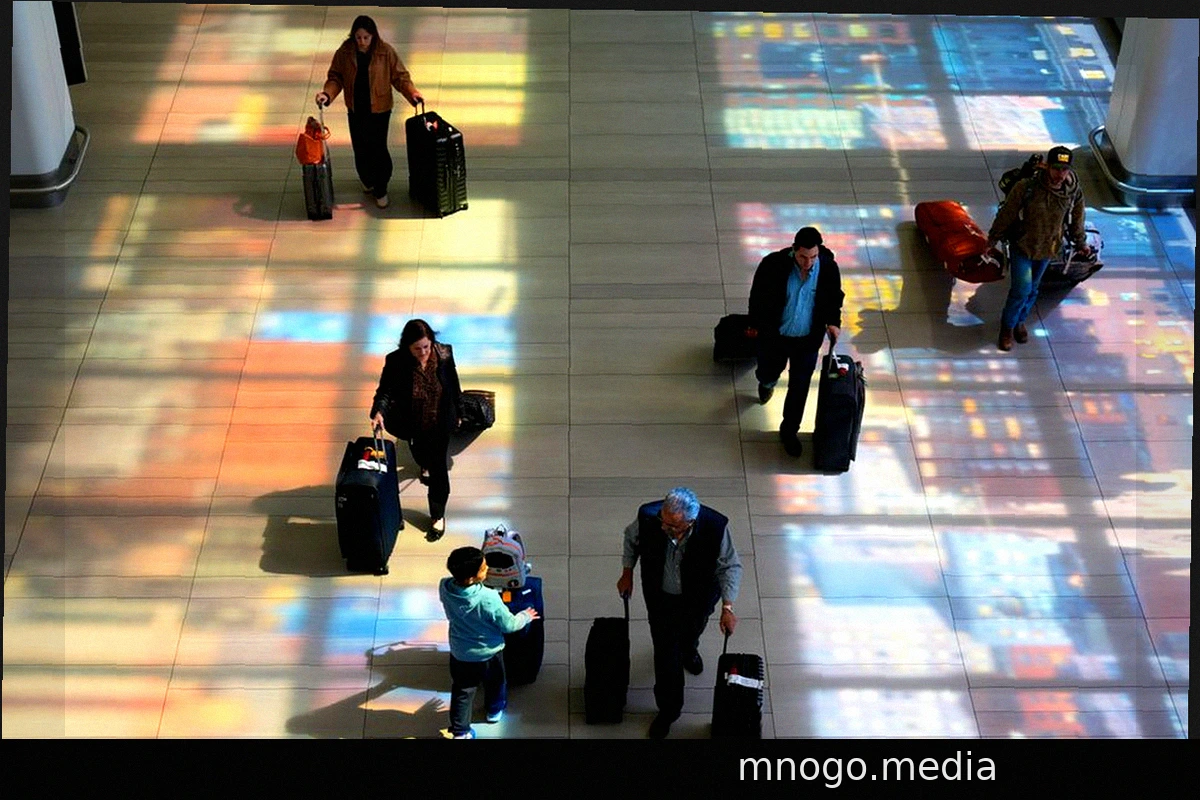
US East Coast: Flight Halts at Multiple Airports Due to Technical Glitch
A flight stop is in effect at several US East Coast airports due to a technical malfunction. According to the US Federal Aviation Administration (FAA), the affected airports include New York's JFK, Newark, LaGuardia, and Westchester County. Boston Logan International Airport, Philadelphia Inte

Merz's CDU Faces Uncertain Future After Mecklenburg-Vorpommern Election Defeat
Friedrich Merz reiterated his intention to remain Chancellor on election night. However, the outcome in Mecklenburg-Vorpommern, where the CDU failed to secure a seat in the state parliament, has materialized into the party's worst-case electoral scenario. This result now casts significant doubt
Iran's Economy Contracts Sharply Amidst Rising Oil Prices
The price of a barrel of North Sea Brent crude (LCOc1) recently rose by 81 cents, or 0.78 percent, to $104.68. A barrel of US WTI crude (CLc1) increased by 76 cents, or 0.76 percent, to $101.06. Saturday's attacks intensify Middle Eastern tensions as the US and Iran remain in a stalemate.