Matthias Blübaum: The Underdog Chess Candidate for the World Championship
Could Matthias Blübaum become World Champion? While the German Grandmaster is certainly not new to the international chess scene, his chances of winning the Candidates Tournament in three weeks and then challenging Indian World Champion Gukesh Dommaraju for the title are considered rather slim.
Even Jan Gustafsson, Germany's national chess coach, estimates Blübaum's chances of winning in Cyprus at a mere three percent. Regardless, Blübaum embraces his underdog status. "There can only be one goal, even if you are the underdog," he said. "You have to try to play for first place."
"Not a Very Strong Player"
This will undoubtedly be a formidable challenge, as Blübaum faces some of the biggest names in chess. The top favorite is former Vice World Champion Fabiano Caruana from the USA. Other contenders include China's Wei Yi, and highly talented young stars such as Praggnanandhaa Rameshbabu from India and Javokhir Sindarov from Uzbekistan.
Fourteen rounds will be played over three weeks in the resort town of Pegia on the west coast of Cyprus (March 28 to April 15, 2026). Each participant will play against every other player twice.
Several years ago, a competitor famously remarked that Blübaum was "not a very strong player." The German Grandmaster responded with his characteristic self-irony, naming his Twitch streaming channel after this very quote. To the delight of his growing fanbase, the "not very strong player" now regularly streams his games and has recently showcased numerous victories against the world's top chess professionals.
Indeed, on his path to the Candidates Tournament, Blübaum (currently ranked 32nd globally) has proven his ability to compete with the world's elite. His sensational second-place finish at the "Grand Swiss" tournament in September 2025 notably blocked Germany's top-ten player Vincent Keymer from World Championship qualification.
Furthermore, in his recent appearance at the prestigious Wijk aan Zee tournament, often dubbed the "Wimbledon of Chess," the long-underestimated Grandmaster from Lemgo, North Rhine-Westphalia, also performed strongly. He even secured a highly-regarded victory against World Champion Gukesh.
Math Student, Not Full-Time Chess Pro
This surge in performance has surprised many in the international chess community. While Matthias Blübaum's talent was recognized early on – he learned to play from his father, a strong club player – his former coach Matthias Krallmann, who trained Blübaum for ten years starting in 2005 and remains in close contact, recounts: "Matthias was very diligent from the beginning."
Under Krallmann's guidance, Blübaum quickly progressed to the Chess Bundesliga and the German national team as a teenager. However, unlike players such as Vincent Keymer, who turned professional immediately after high school, Blübaum initially chose to study mathematics and played chess more as a semi-professional. He remained relatively unknown on the international stage for a while.
"I like the path Blübaum has taken," says Norwegian Grandmaster Simen Agdestein, who was the youth coach for perhaps the greatest chess talent of all time: former World Champion Magnus Carlsen. "Top-level chess is incredibly demanding, and it's good to have a life beyond the chessboard," Agdestein adds.
Agdestein himself followed a similar path. In the nineties, the Norwegian was not only a high-class chess Grandmaster but also a professional footballer, playing for his country's national team for several years. He now works as a teacher at one of Norway's sports schools.
Norway as a Role Model?
These sports schools are considered one reason why Norway is currently highly successful not only in chess but in many sports. When asked about the Norwegian recipe for success, Agdestein first points to the comprehensive social welfare system that also provides security for young athletes.
Furthermore, Norway generally delays specialized sports training and serious competitions until later ages. "Far more important than technical training are the social aspects," Agdestein believes. Whether in football or chess, "it's primarily about creating the right environment for sports talents where they can develop individually."
Matthias Krallmann agrees: "Every talent is different." He notes that Matthias Blübaum was a very "open" student from the beginning, readily absorbing the coach's impulses. Early on, his protégé showed qualities that will undoubtedly help him in the World Championship battle now. "Matthias is an incredibly tenacious defender and very strong-nerved," says Krallmann.
These strengths are, of course, also recognized by the two-time European Champion, Blübaum himself. "Some players will desperately need points and will try to win against me," Blübaum speculates, "then they will take risks, and that can backfire."
Crowdfunding for the Coaching Team
However, in Cyprus, Blübaum won't solely rely on his defensive skills. "Until now, I haven't had a coach at all," Blübaum reveals, explaining that it has been a matter of funding. His unexpected qualification for the Candidates Tournament, however, has significantly improved the financial resources available to the German World Championship aspirant.
Approximately 90,000 Euros in support has been raised in recent months. The funds come from various sources, including the German Chess Federation, special state funding, and a quickly organized crowdfunding campaign. This is enough to assemble a small coaching team for Cyprus, aiming for optimal preparation for each game. Computer-aided, refined opening moves are crucial in professional chess. "I will definitely bring some new ideas to the Candidates Tournament," Blübaum announced.
It's quite possible that in Cyprus, the favored top players might find themselves stumped by a well-prepared Blübaum. "I'm not the type to take many risks. I usually try to play objectively correctly," Blübaum describes his approach.
However, this could sometimes be a weakness for Blübaum, according to his former coach Krallmann. "Matthias is a mathematician and sometimes a bit materialistic in chess," the coach explains. "If he can win a pawn and his calculations show no specific problems, he takes the pawn." Krallmann warns that against world-class players, such an approach can quickly lead one into a defensive position.
Nevertheless, Blübaum has recently demonstrated his ability to withstand pressure from top players. Therefore, Norwegian Simen Agdestein believes the German's playing style gives him a real chance: "In modern chess, the differences between players are so small that Matthias Blübaum could also become World Champion. It's a bit like a lottery!"
Fresh materials — World News
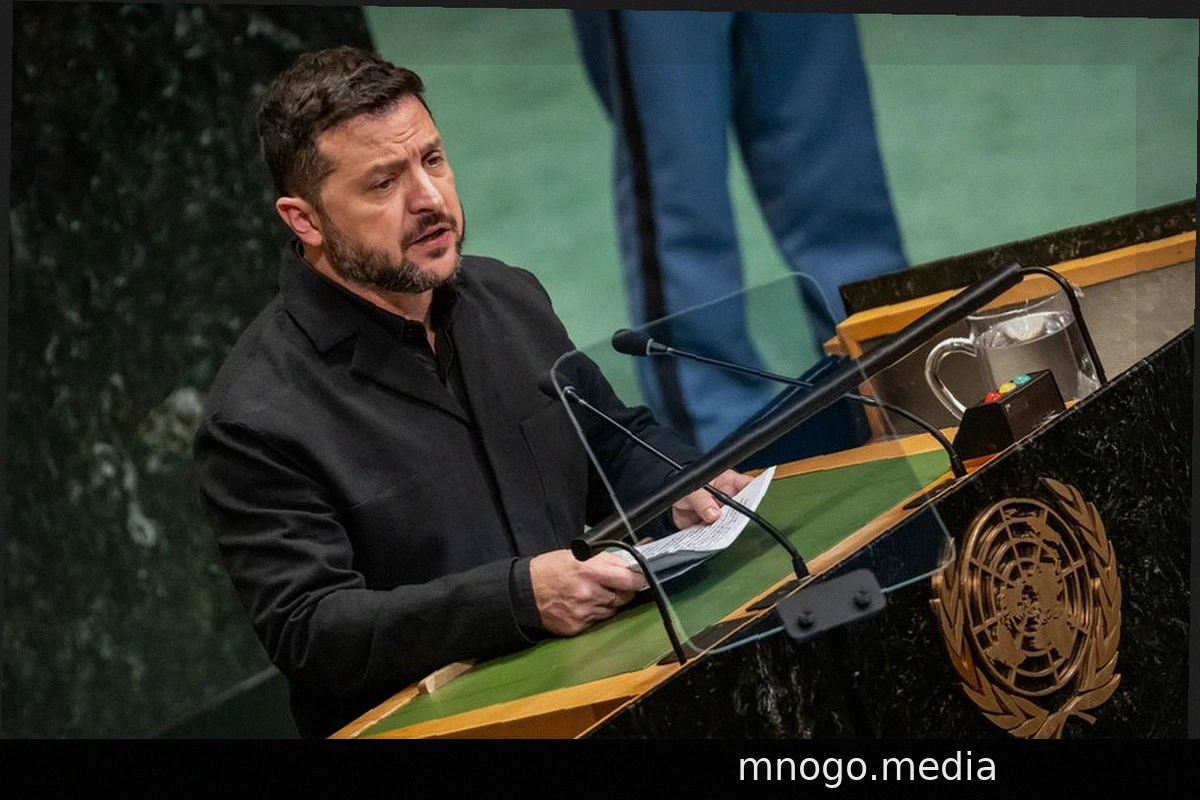
Ukraine: Zelenskyy Calls Putin 'Patient Zero' of War-Mongering
Moscow does not respect the independence of states in the South Caucasus and Central Asia. Syria and African nations have suffered from Russian brutality. North Korea has advanced its military technology in cooperation with Russia, posing a greater threat to its Asian neighbors, he sta
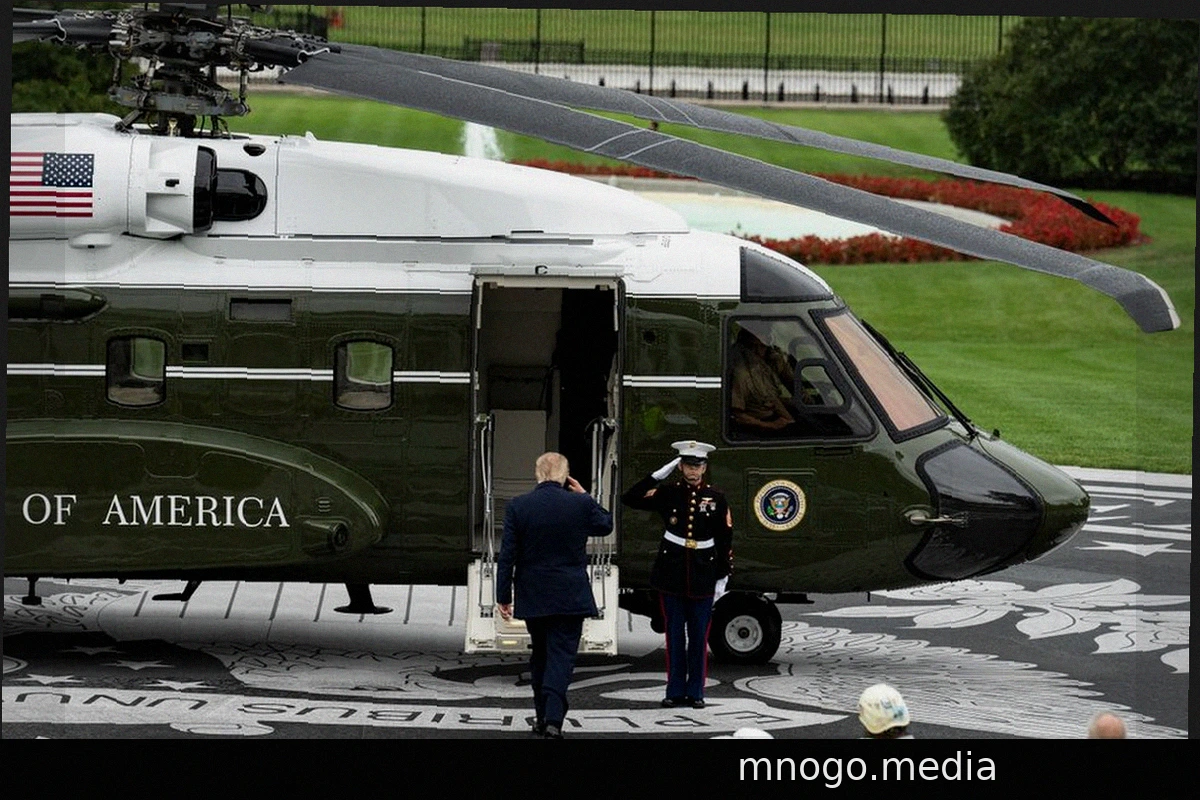
Trump Considers Diesel Export Ban Amid High Fuel Prices
Donald Trump suggested halting diesel exports, stating, "Let's not export the diesel." He announced this on Tuesday on the sidelines of the UN General Debate in New York. Treasury Secretary Scott Bessent is reviewing the feasibility of an export ban concerning overall refinery capacity
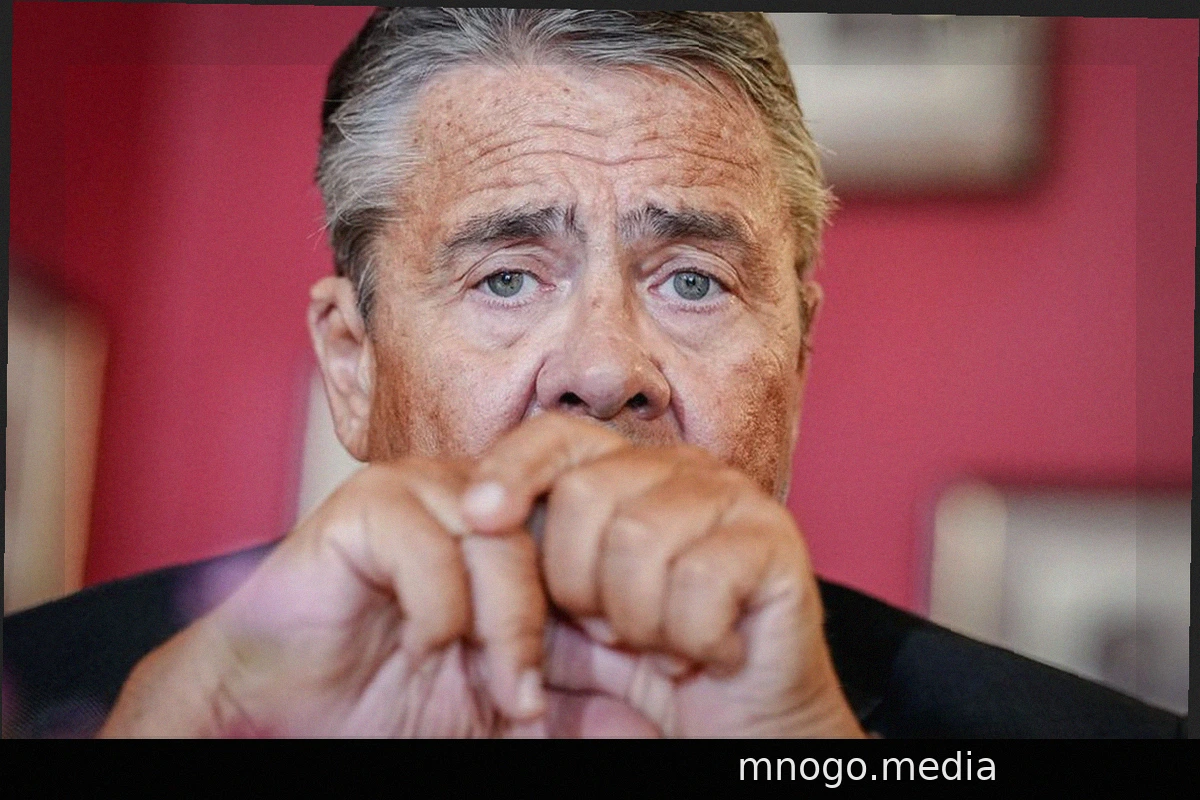
Sigmar Gabriel Warns SPD Against Coalition with The Left After Berlin Election
The Left party emerged as the strongest force in Sunday's election, securing 25.7 percent of the vote, followed by the CDU, AfD, Greens, and SPD. Beyond a red-green-red coalition, a CDU-Green-SPD alliance is also a mathematical possibility. A significant hurdle for The Left in potenti
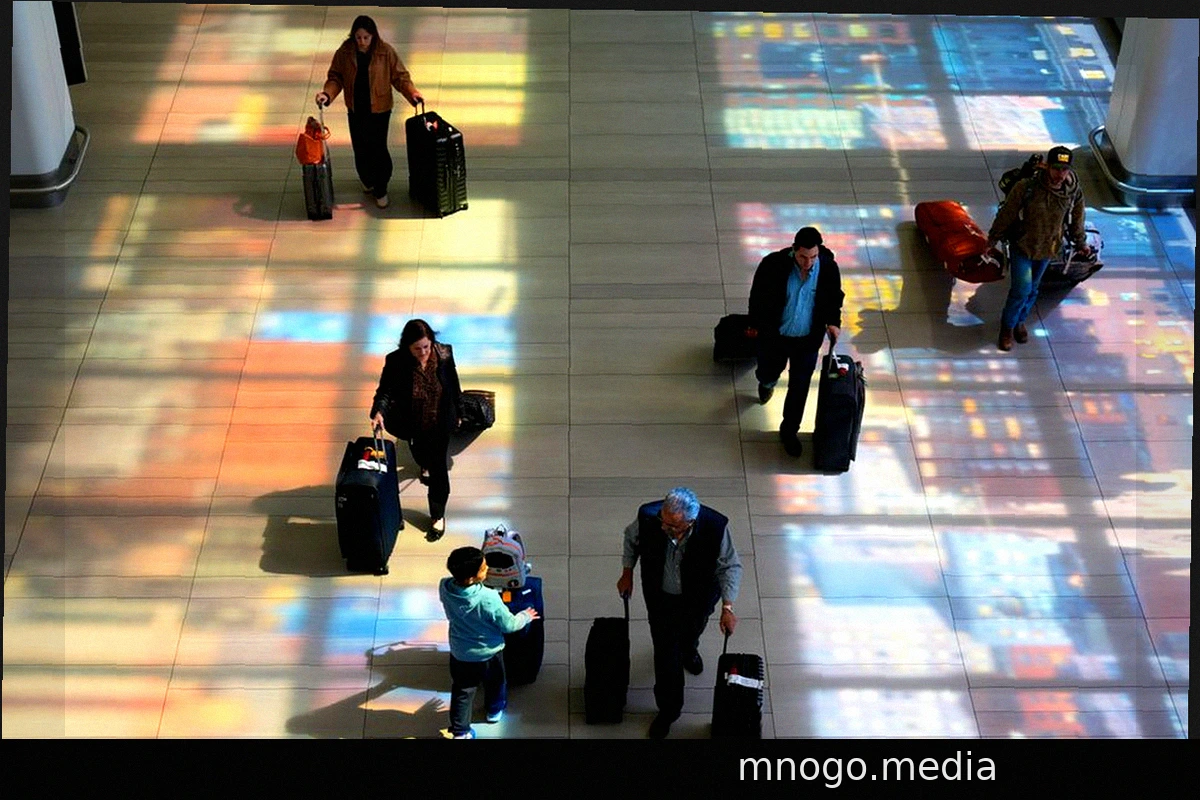
US East Coast: Flight Halts at Multiple Airports Due to Technical Glitch
A flight stop is in effect at several US East Coast airports due to a technical malfunction. According to the US Federal Aviation Administration (FAA), the affected airports include New York's JFK, Newark, LaGuardia, and Westchester County. Boston Logan International Airport, Philadelphia Inte
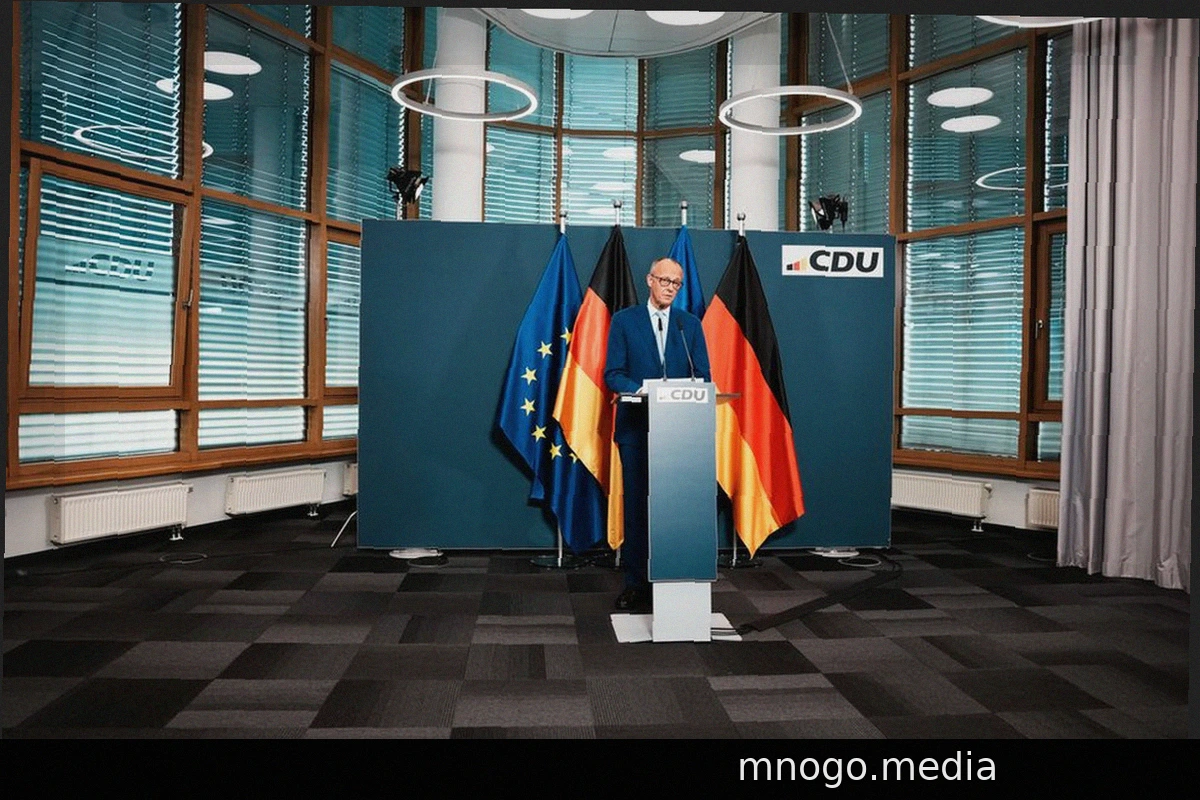
Merz's CDU Faces Uncertain Future After Mecklenburg-Vorpommern Election Defeat
Friedrich Merz reiterated his intention to remain Chancellor on election night. However, the outcome in Mecklenburg-Vorpommern, where the CDU failed to secure a seat in the state parliament, has materialized into the party's worst-case electoral scenario. This result now casts significant doubt

Iran's Economy Contracts Sharply Amidst Rising Oil Prices
The price of a barrel of North Sea Brent crude (LCOc1) recently rose by 81 cents, or 0.78 percent, to $104.68. A barrel of US WTI crude (CLc1) increased by 76 cents, or 0.76 percent, to $101.06. Saturday's attacks intensify Middle Eastern tensions as the US and Iran remain in a stalemate.