UN: 273 Million Children Worldwide Without School Access
A new report titled "Access and Equity" from the UN Educational, Scientific and Cultural Organization (UNESCO) reveals alarming statistics: at least one in six children globally is excluded from education. In 2024, an estimated 273 million minors did not attend school. The actual figure could be even higher, potentially by an additional 13 million, as data from ten crisis-affected countries is unavailable. Furthermore, only two out of three young people complete secondary education.
According to UNESCO, the primary reasons for this global educational emergency include significant population growth, ongoing crises and conflicts, and declining education budgets. The situation is particularly critical in Sub-Saharan African countries and conflict-ridden regions such as the Middle East, where political tensions have led to numerous school closures.
Given these developments, the international community risks failing to meet its self-imposed goal of ensuring inclusive, equitable, and high-quality education for all by 2030. However, the report emphasizes that progress is achievable. The UNESCO study highlights positive examples such as Madagascar and Togo, which have reduced the number of out-of-school children by at least 80 percent since 2000. Similar successes have been observed in Morocco and Vietnam for adolescents, and in Georgia and Turkey for young adults.
Educational Inequality Also Evident in Germany
Germany also faces significant challenges regarding educational equity and lags behind other European nations. The World Education Report points out that almost four out of five children from affluent households receive a recommendation for Gymnasium (the highest track secondary school), whereas fewer than one in three children from disadvantaged families receive such a recommendation.
Students with a migration background are particularly affected. Their educational trajectories are significantly influenced by their age upon arrival in Germany. While approximately half of those who immigrated before the age of six achieve a vocational qualification or the Abitur (university-entry qualification), this figure drops to just 38 percent for those who arrived between 14 and 18 years old.
Maria Böhmer, President of the German UNESCO Commission, described the study's findings as a "wake-up call." She underscored the necessity of addressing disadvantages early on and allocating public funds "where the need for support is greatest." In this context, she referred to the "Startchancen-Programm," which specifically supports schools facing particular challenges.
Fresh materials — World News
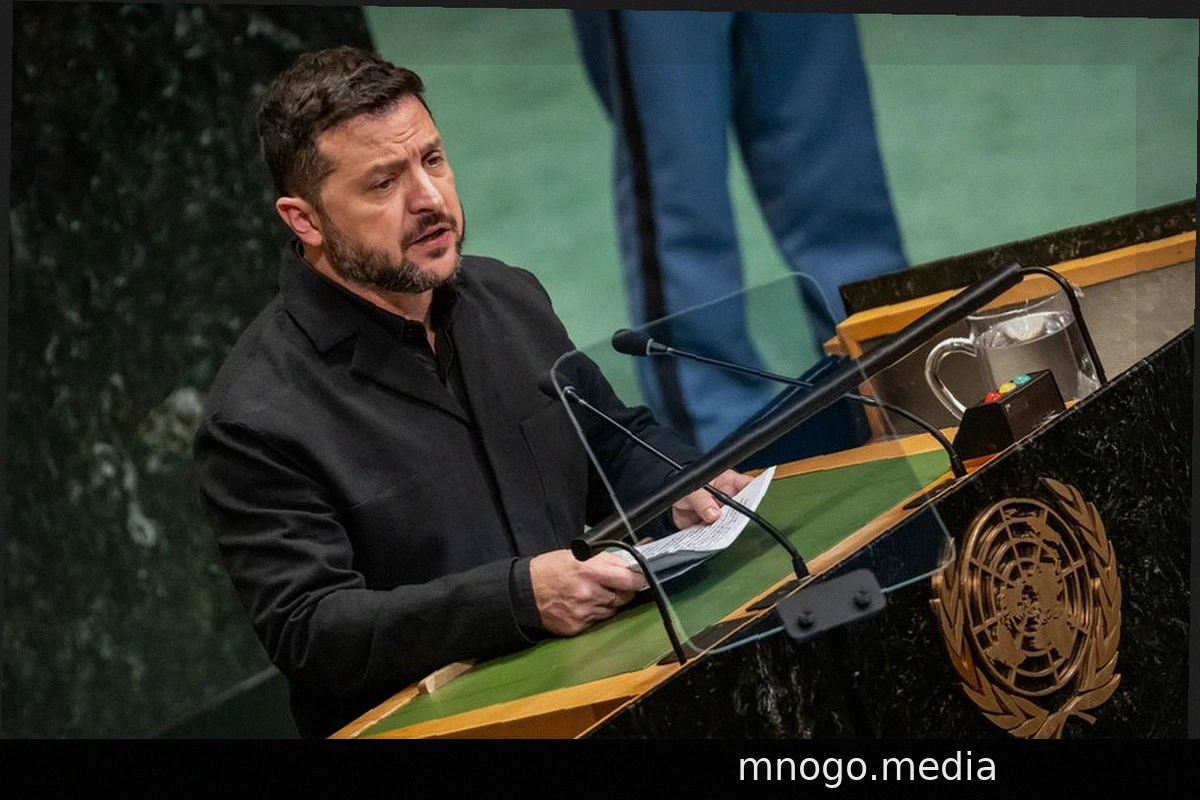
Ukraine: Zelenskyy Calls Putin 'Patient Zero' of War-Mongering
Moscow does not respect the independence of states in the South Caucasus and Central Asia. Syria and African nations have suffered from Russian brutality. North Korea has advanced its military technology in cooperation with Russia, posing a greater threat to its Asian neighbors, he sta

Trump Considers Diesel Export Ban Amid High Fuel Prices
Donald Trump suggested halting diesel exports, stating, "Let's not export the diesel." He announced this on Tuesday on the sidelines of the UN General Debate in New York. Treasury Secretary Scott Bessent is reviewing the feasibility of an export ban concerning overall refinery capacity
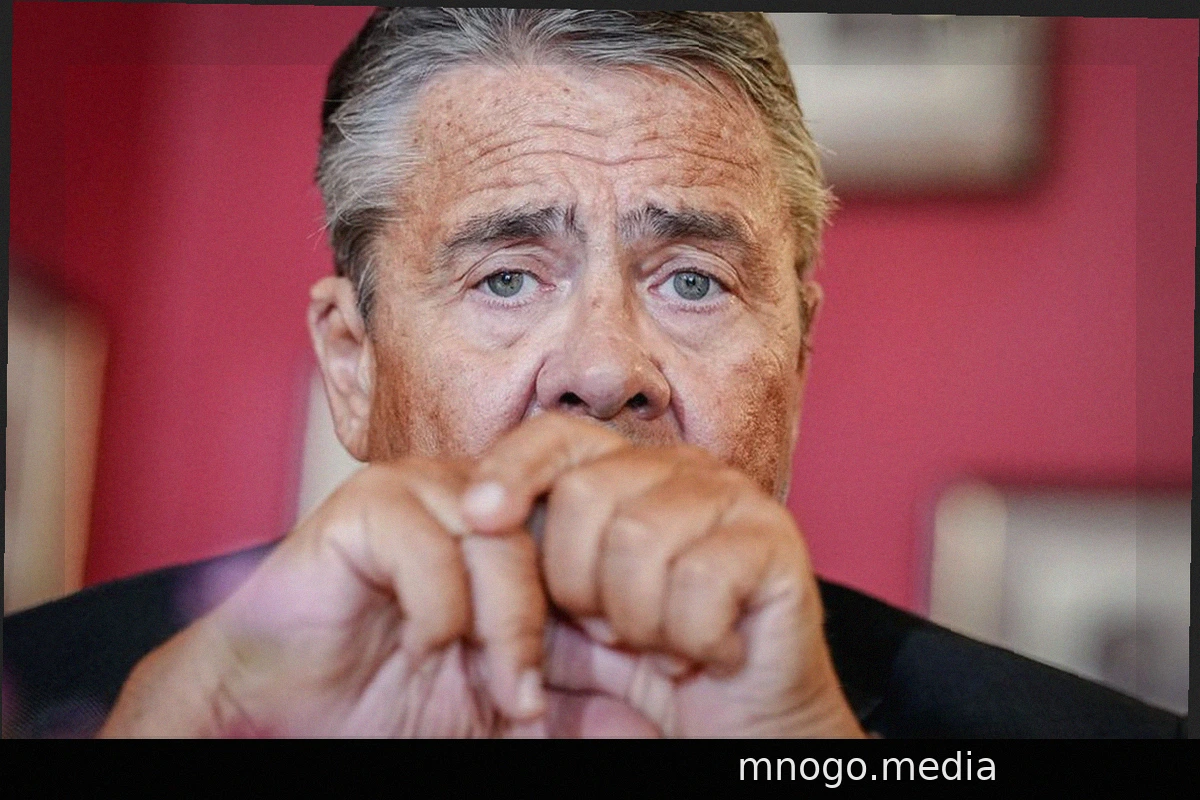
Sigmar Gabriel Warns SPD Against Coalition with The Left After Berlin Election
The Left party emerged as the strongest force in Sunday's election, securing 25.7 percent of the vote, followed by the CDU, AfD, Greens, and SPD. Beyond a red-green-red coalition, a CDU-Green-SPD alliance is also a mathematical possibility. A significant hurdle for The Left in potenti
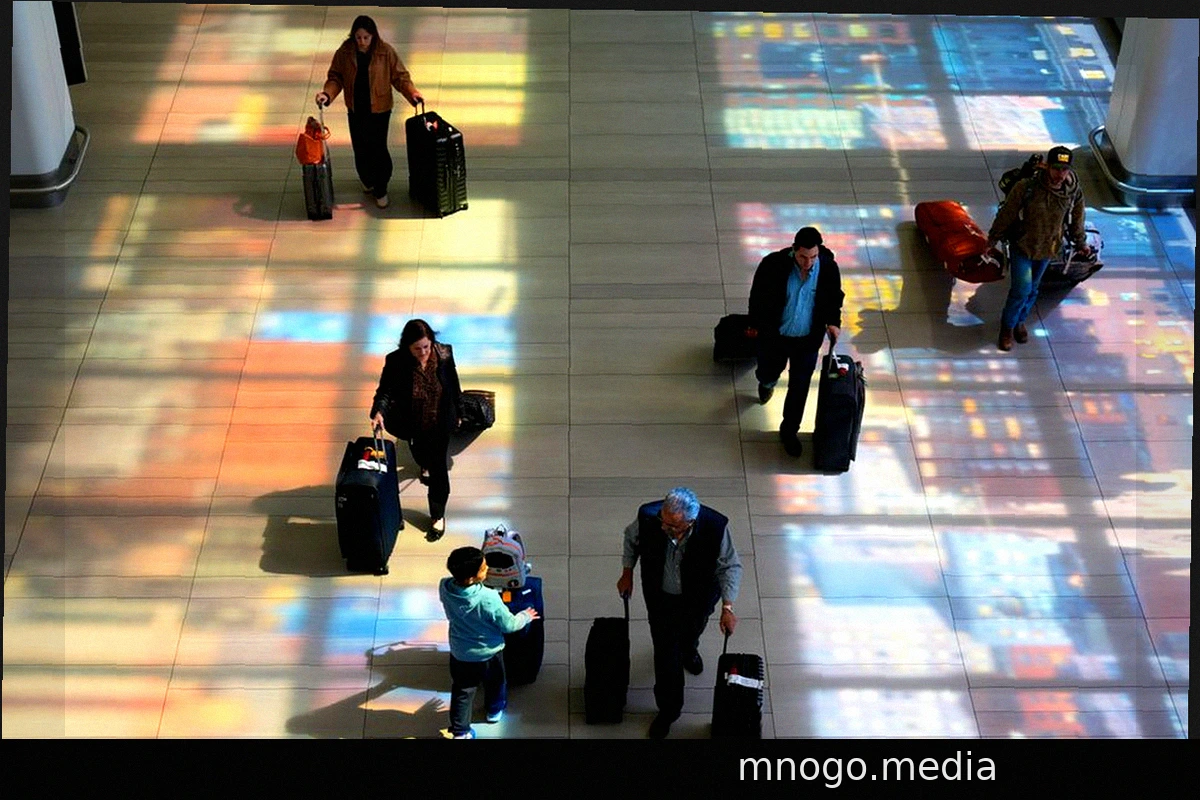
US East Coast: Flight Halts at Multiple Airports Due to Technical Glitch
A flight stop is in effect at several US East Coast airports due to a technical malfunction. According to the US Federal Aviation Administration (FAA), the affected airports include New York's JFK, Newark, LaGuardia, and Westchester County. Boston Logan International Airport, Philadelphia Inte
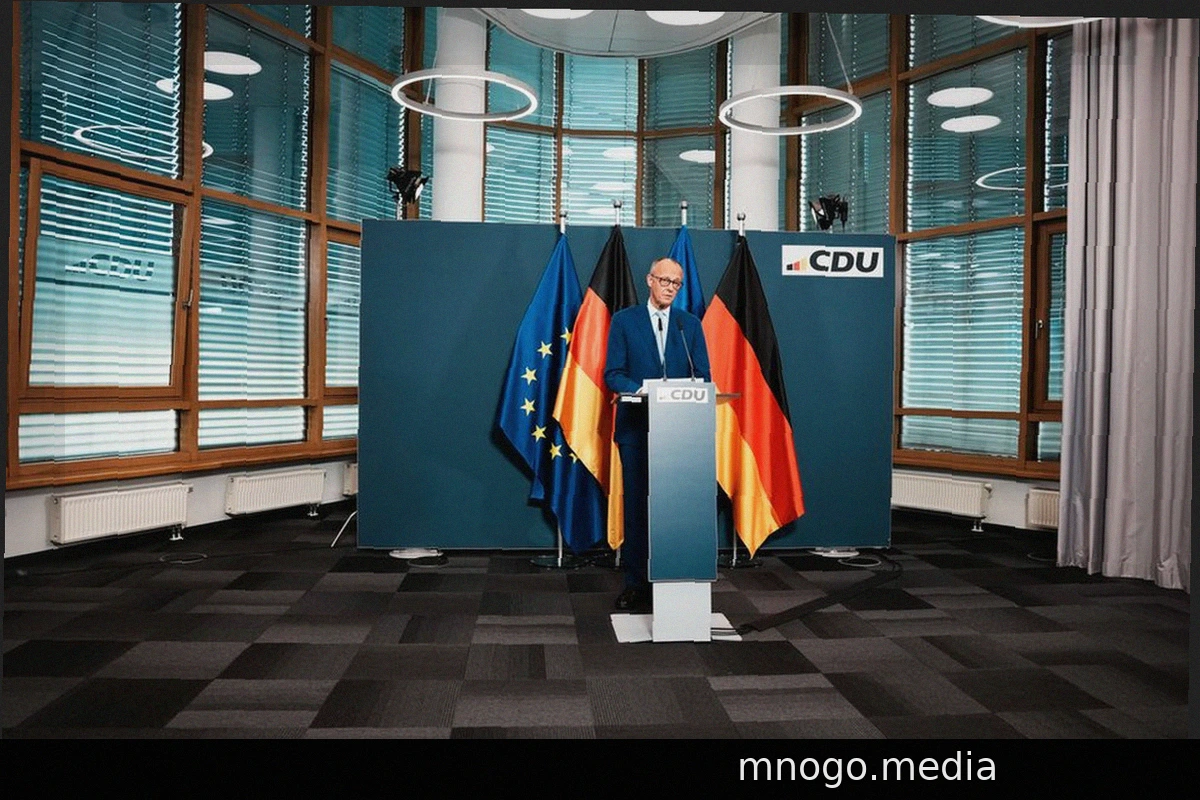
Merz's CDU Faces Uncertain Future After Mecklenburg-Vorpommern Election Defeat
Friedrich Merz reiterated his intention to remain Chancellor on election night. However, the outcome in Mecklenburg-Vorpommern, where the CDU failed to secure a seat in the state parliament, has materialized into the party's worst-case electoral scenario. This result now casts significant doubt

Iran's Economy Contracts Sharply Amidst Rising Oil Prices
The price of a barrel of North Sea Brent crude (LCOc1) recently rose by 81 cents, or 0.78 percent, to $104.68. A barrel of US WTI crude (CLc1) increased by 76 cents, or 0.76 percent, to $101.06. Saturday's attacks intensify Middle Eastern tensions as the US and Iran remain in a stalemate.