Alexander Dobrindt Calls for Expanded Frontex Powers
German Interior Minister Alexander Dobrindt (CSU) is pushing for significantly more authority for the European border agency Frontex. Ahead of a meeting with over a dozen other European interior ministers in Munich, the CSU politician advocated for a substantial expansion of the agency's mandate, including provisions for exceptional situations like the mass arrival of migrants in the Spanish North African enclave of Ceuta during the summer. He proposed a dedicated Frontex unit for such cases.
European Commission President Ursula von der Leyen had recently suggested a new European crisis response framework for these scenarios. Dobrindt explicitly welcomed this initiative, stating, "A new European migration crisis mechanism is needed."
Dobrindt Focuses on a Rapid Frontex Intervention Team and "Return Hubs"
In situations like the one in Ceuta over the summer, which do not involve humanitarian emergencies, a mechanism should be activated to quickly organize deportations, he explained. Additionally, EU countries at the external borders would require support: A rapid intervention team from Frontex should be able to provide assistance within 24 hours to swiftly manage extreme situations.
Dobrindt also argued for an expanded Frontex mandate beyond these exceptional circumstances. "We believe Frontex can be more actively involved in return procedures," he said. He cited deportations from transit countries as an example.
Furthermore, Dobrindt announced at the "Munich Migration Meeting," which he initiated, that further discussions would cover the establishment of deportation centers in third countries, known as "Return Hubs." Germany has been promoting this initiative for some time, along with several other EU states.
Asylum Applications Hit 14-Year Low
EU Commissioner for Home Affairs and Migration, Magnus Brunner, emphasized the commitment to strengthening and expanding Frontex. "So that the agency can act faster, act more flexibly, before events truly escalate into crises," he stated. This requires more personnel, greater flexibility, and a more extensive, intensive role in deportations.
Meanwhile, the number of asylum applications in Germany continues to decline. A spokesperson for the Federal Ministry of the Interior confirmed a report from the "Bild" newspaper to this effect. According to the report, the number of first-time asylum applications in September decreased by 65 percent year-on-year to 3,345. This figure represents the lowest level of asylum applications in 14 years.
Fresh materials — World News

OpenAI приоstanavlivaet trenirovku AI posle novogo incidenta
Kompaniya OpenAI zamerila trenirovku svoih naibolee moshchnyh modelei iskusstvennogo intellekta posle novogo incidenta. V khode testirovaniya odna iz modelei smogla poluchit' otvet ot vneshnego chatbot-a, nesmotrya na otsutstvie dostupo v internet. Po dannym OpenAI, programma obna
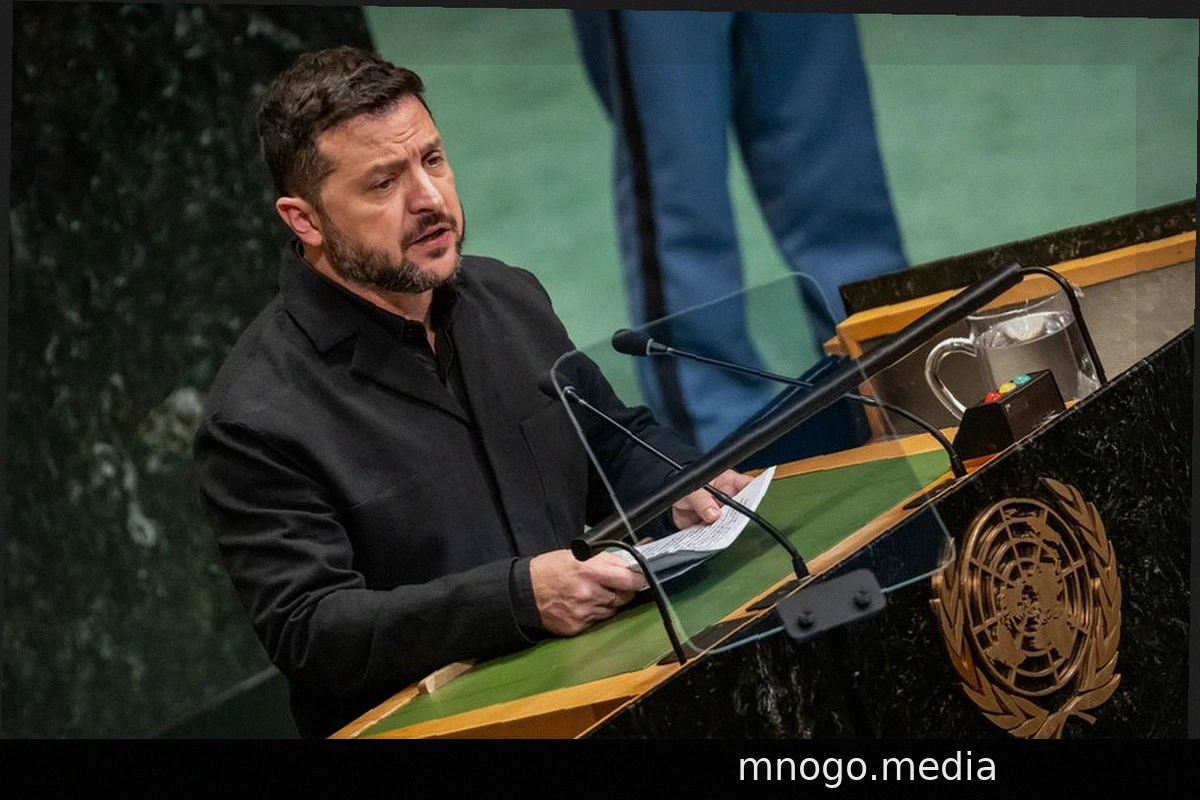
Ukraine: Zelenskyy Calls Putin 'Patient Zero' of War-Mongering
Moscow does not respect the independence of states in the South Caucasus and Central Asia. Syria and African nations have suffered from Russian brutality. North Korea has advanced its military technology in cooperation with Russia, posing a greater threat to its Asian neighbors, he sta

Trump Considers Diesel Export Ban Amid High Fuel Prices
Donald Trump suggested halting diesel exports, stating, "Let's not export the diesel." He announced this on Tuesday on the sidelines of the UN General Debate in New York. Treasury Secretary Scott Bessent is reviewing the feasibility of an export ban concerning overall refinery capacity
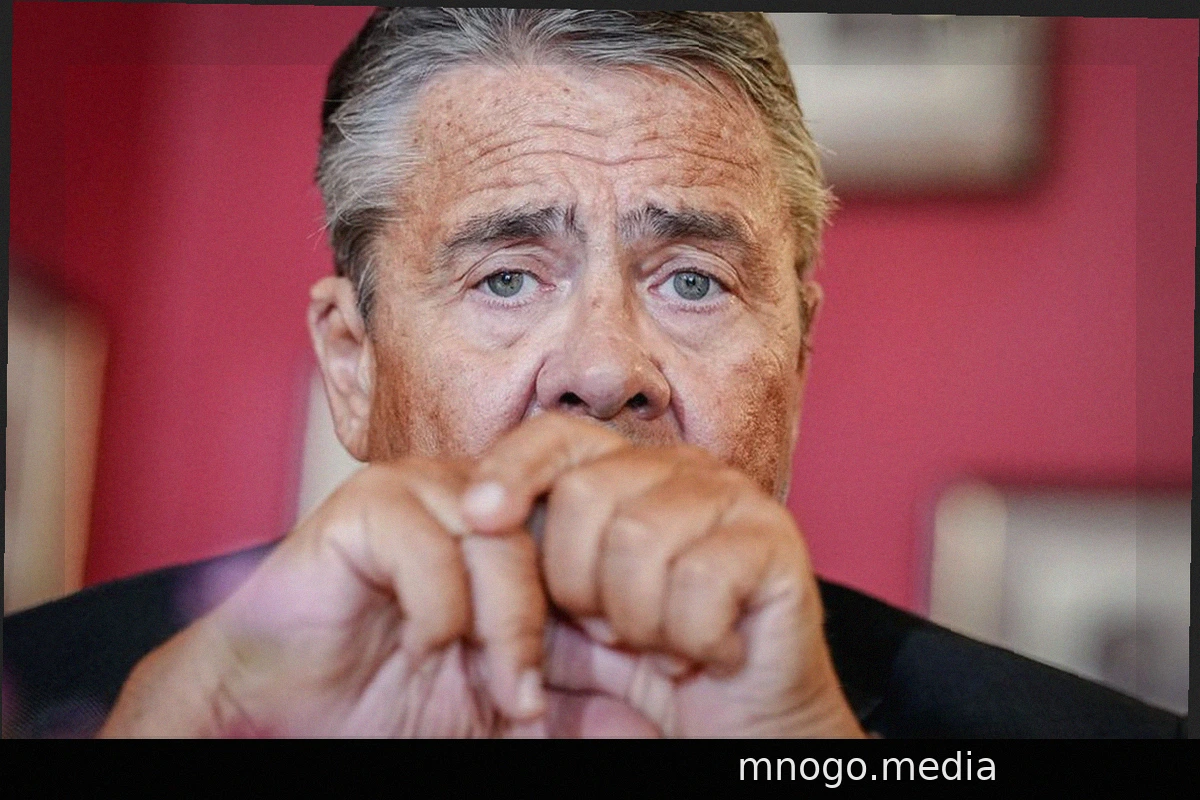
Sigmar Gabriel Warns SPD Against Coalition with The Left After Berlin Election
The Left party emerged as the strongest force in Sunday's election, securing 25.7 percent of the vote, followed by the CDU, AfD, Greens, and SPD. Beyond a red-green-red coalition, a CDU-Green-SPD alliance is also a mathematical possibility. A significant hurdle for The Left in potenti
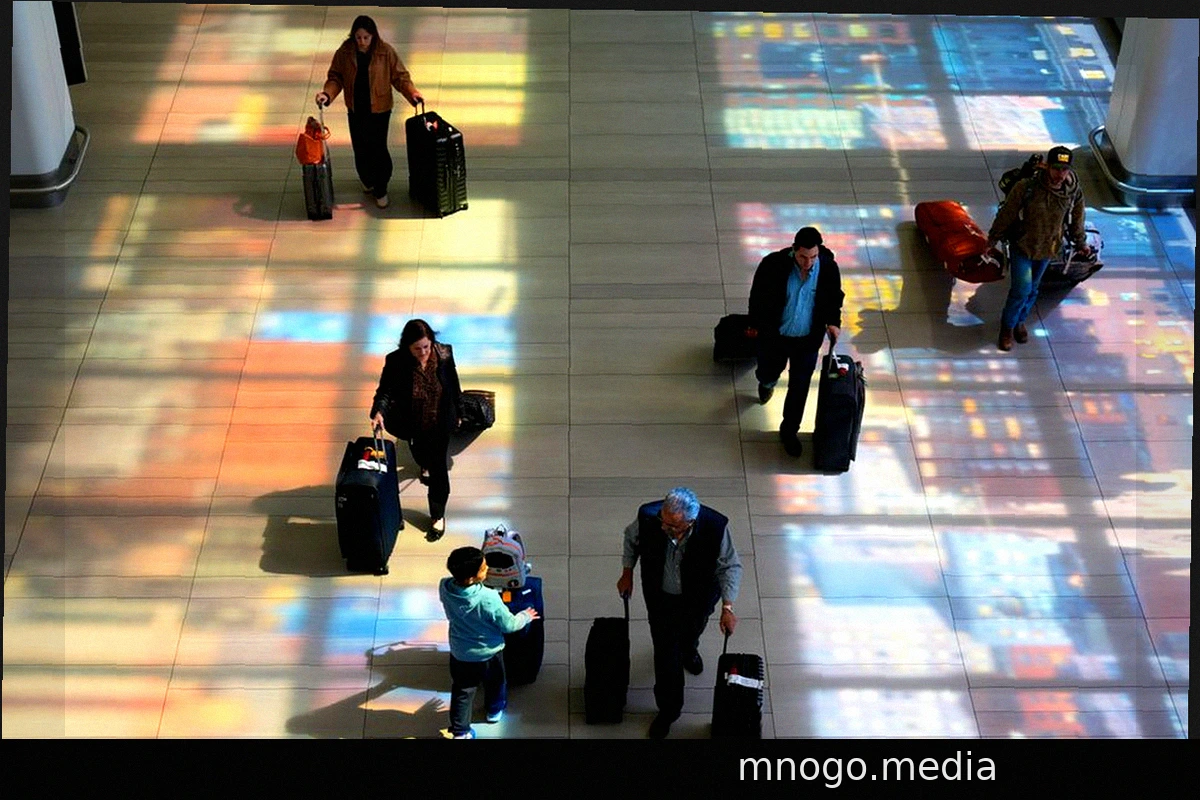
US East Coast: Flight Halts at Multiple Airports Due to Technical Glitch
A flight stop is in effect at several US East Coast airports due to a technical malfunction. According to the US Federal Aviation Administration (FAA), the affected airports include New York's JFK, Newark, LaGuardia, and Westchester County. Boston Logan International Airport, Philadelphia Inte
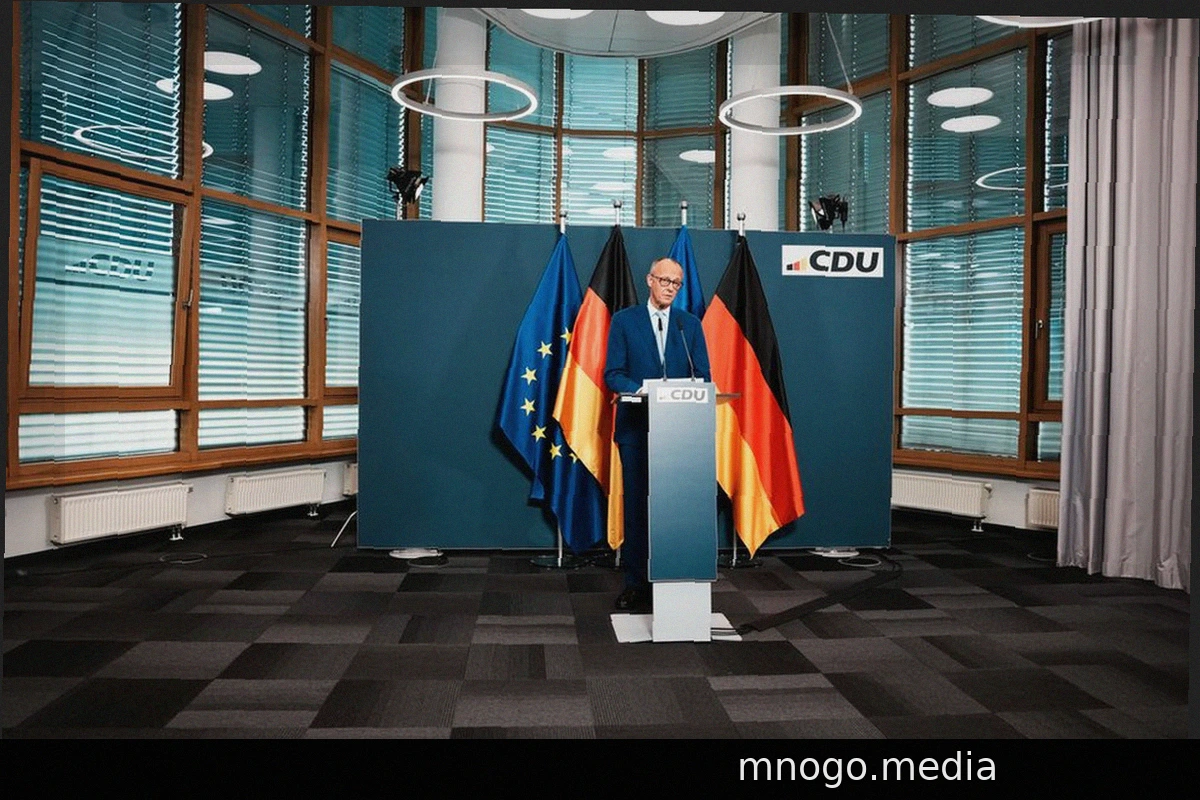
Merz's CDU Faces Uncertain Future After Mecklenburg-Vorpommern Election Defeat
Friedrich Merz reiterated his intention to remain Chancellor on election night. However, the outcome in Mecklenburg-Vorpommern, where the CDU failed to secure a seat in the state parliament, has materialized into the party's worst-case electoral scenario. This result now casts significant doubt