Putin's Law Strips Russian Exiles of Citizenship Rights
A new law, formally titled "On temporary restrictive measures against individuals located outside the Russian Federation who evade the execution of a sentence," significantly impacts Russians living abroad who have faced legal repercussions in their home country. Jurist Evgeni Smirnov, himself an exile, explains that the law essentially aims to revoke citizenship rights, allowing individuals to keep their passports but forbidding them from exercising their civic entitlements.
Extensive "Offense Catalog"
Signed by President Vladimir Putin, this legislation targets Russian citizens residing abroad who have either been convicted of a crime or held accountable for administrative offenses in Russia. This includes charges such as "discrediting the Russian army" – essentially public criticism of Russia's war in Ukraine – failure to pay fines as a "foreign agent" (a category now encompassing over 1,000 individuals and organizations, mostly critical of the government), collaboration with "undesirable organizations" (nearly 400 such groups are currently designated), and public calls to violate Russia's territorial integrity.
Individuals affected by this law will face a range of "temporary restrictive measures." These include denial of state services within Russia and consular services abroad, such as obtaining a passport or power of attorney. Furthermore, a ban on selling real estate and vehicles will be imposed, and bank accounts will be frozen.
"Poisoned Praise" for the Opposition
Before being signed by Putin, the law was unanimously approved by the State Duma. Chairman Vyacheslav Volodin commented, "Those who have gone abroad and are harming their own country are not the opposition, but traitors. They are criminals." He added, "These extremists have been doing everything for years to destroy our state, they justify Nazism, insult our soldiers and officers, and at the same time hide from punishment in other countries." Volodin highlighted the approval from opposition factions, stating, "This is what I call a responsible opposition!"
Human rights activists from the Russian non-governmental organization "Perwy Otdel" (First Department), operating in exile, criticize the new law for effectively stripping politically active Russian migrants, who face sanctions in their homeland, of their fundamental civil rights. They describe the law as a "law of civil death" for emigrant Russians who have been convicted or fined in absentia on politically motivated charges.
The Ministry of Justice, the same institution that compiles lists of "foreign agents," will determine who is affected by the law. Lawyer Evgeni Smirnov concludes, "This primarily targets journalists, activists, politicians, and human rights defenders – all those who are already being persecuted." Jurist Anastasia Burakova from the NGO "Kovcheg," which aids Russians who have fled abroad, calls the law "a truly terrible document that deprives a huge number of people of their civil rights and instills fear in many who live abroad." The objective is clear: to intimidate individuals who cannot be physically reached by authorities and to silence those who oppose Russia's war in Ukraine.
This new "traitor" law is another piece in a series of measures designed to silence critical voices in Russia, particularly since February 2022. Shortly after the start of the Ukraine war, the Duma passed laws against alleged "false information" about the army and its alleged "discrediting," with penalties including years of imprisonment.
Simultaneously, the use of the term "war" or "invasion" in the media was banned. Instead, Russia officially continues to refer to the conflict as a military special operation. Many independent media outlets ceased operations or fled into exile.
An estimated hundreds of thousands of Russians are believed to have left the country in the last four years. The new "law of civil death" now targets these individuals.
Fresh materials — World News

Nachlese: Wahlen in Berlin, Sachsen-Anhalt, Mecklenburg-Vorpommern und Jürgen Klopps DFB-Debüt
Die Ergebnisse der jüngsten Wahlen in Berlin, Sachsen-Anhalt und Mecklenburg-Vorpommern werden analysiert. Parallel dazu rückt Jürgen Klopps erwarteter Auftritt als Trainer der deutschen Fußballnationalmannschaft in den Fokus. English Translation: Following the elections in Berlin, Sa

Alexander Dobrindt Calls for Expanded Frontex Powers
German Interior Minister Alexander Dobrindt (CSU) is pushing for significantly more authority for the European border agency Frontex. Ahead of a meeting with over a dozen other European interior ministers in Munich, the CSU politician advocated for a substantial expansion of the agenc

OpenAI приоstanavlivaet trenirovku AI posle novogo incidenta
Kompaniya OpenAI zamerila trenirovku svoih naibolee moshchnyh modelei iskusstvennogo intellekta posle novogo incidenta. V khode testirovaniya odna iz modelei smogla poluchit' otvet ot vneshnego chatbot-a, nesmotrya na otsutstvie dostupo v internet. Po dannym OpenAI, programma obna
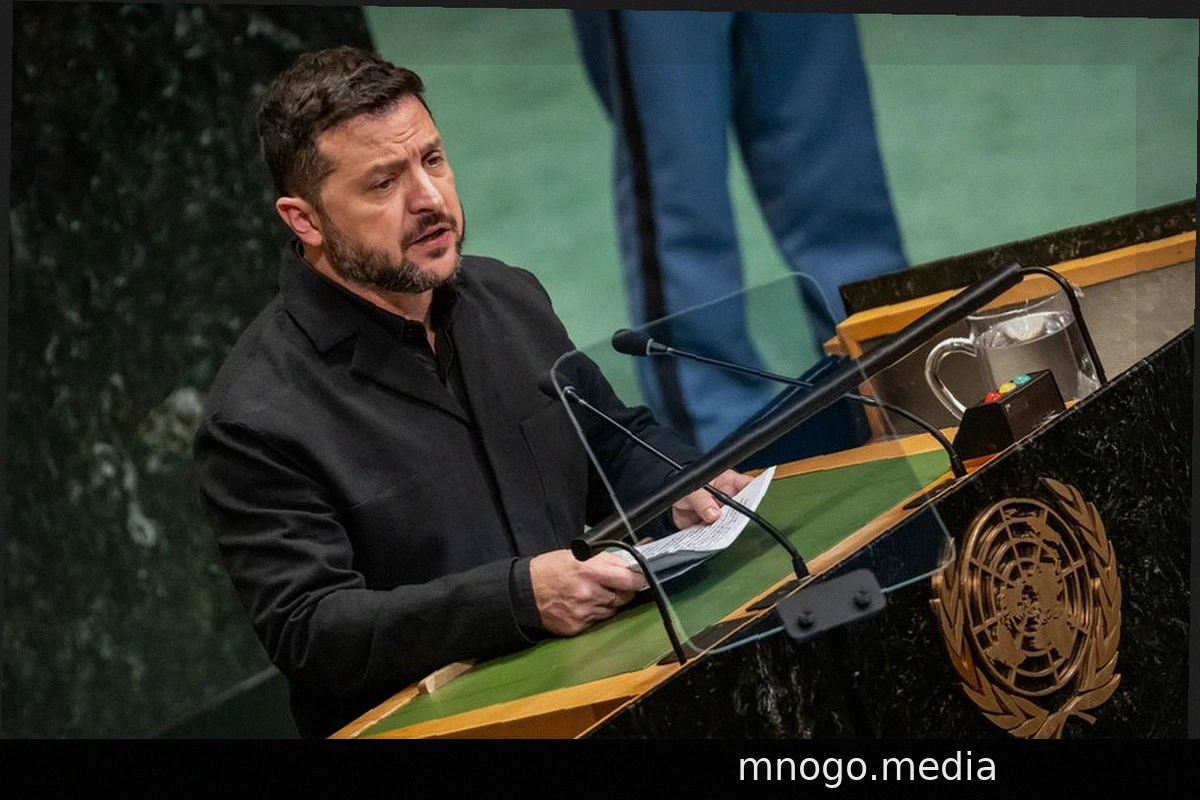
Ukraine: Zelenskyy Calls Putin 'Patient Zero' of War-Mongering
Moscow does not respect the independence of states in the South Caucasus and Central Asia. Syria and African nations have suffered from Russian brutality. North Korea has advanced its military technology in cooperation with Russia, posing a greater threat to its Asian neighbors, he sta
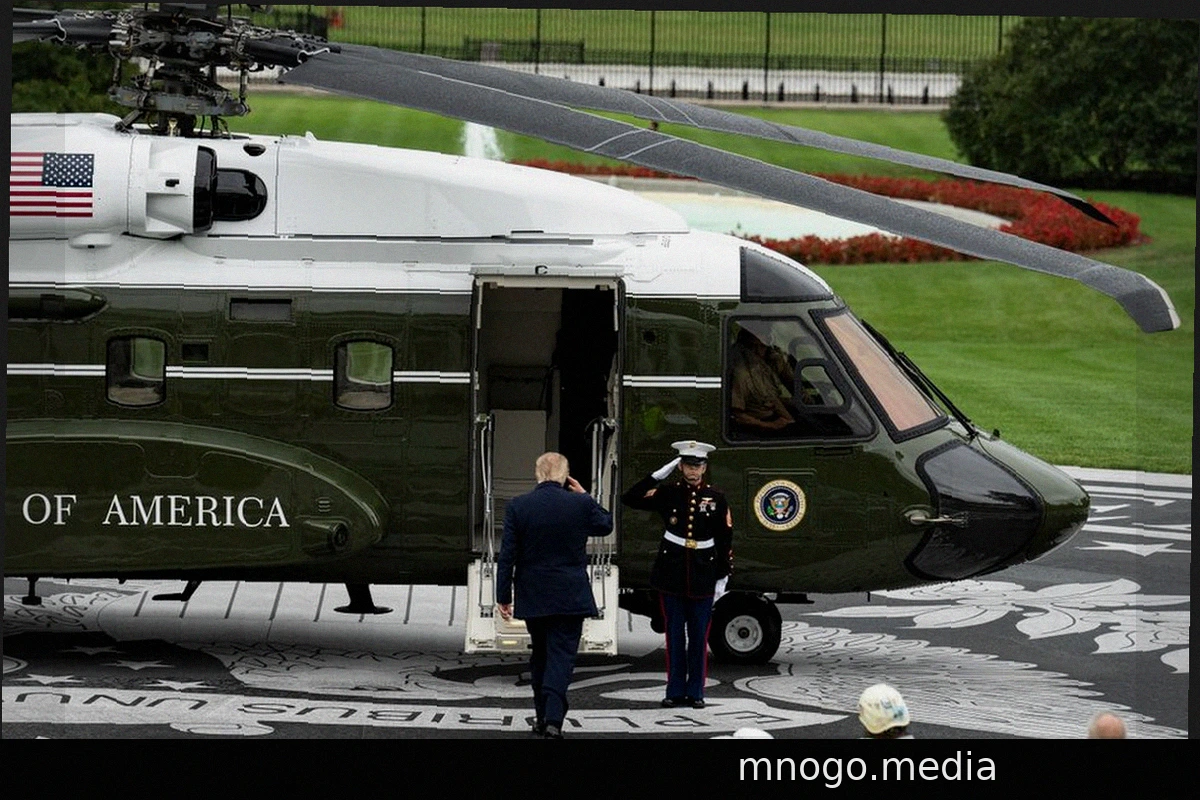
Trump Considers Diesel Export Ban Amid High Fuel Prices
Donald Trump suggested halting diesel exports, stating, "Let's not export the diesel." He announced this on Tuesday on the sidelines of the UN General Debate in New York. Treasury Secretary Scott Bessent is reviewing the feasibility of an export ban concerning overall refinery capacity
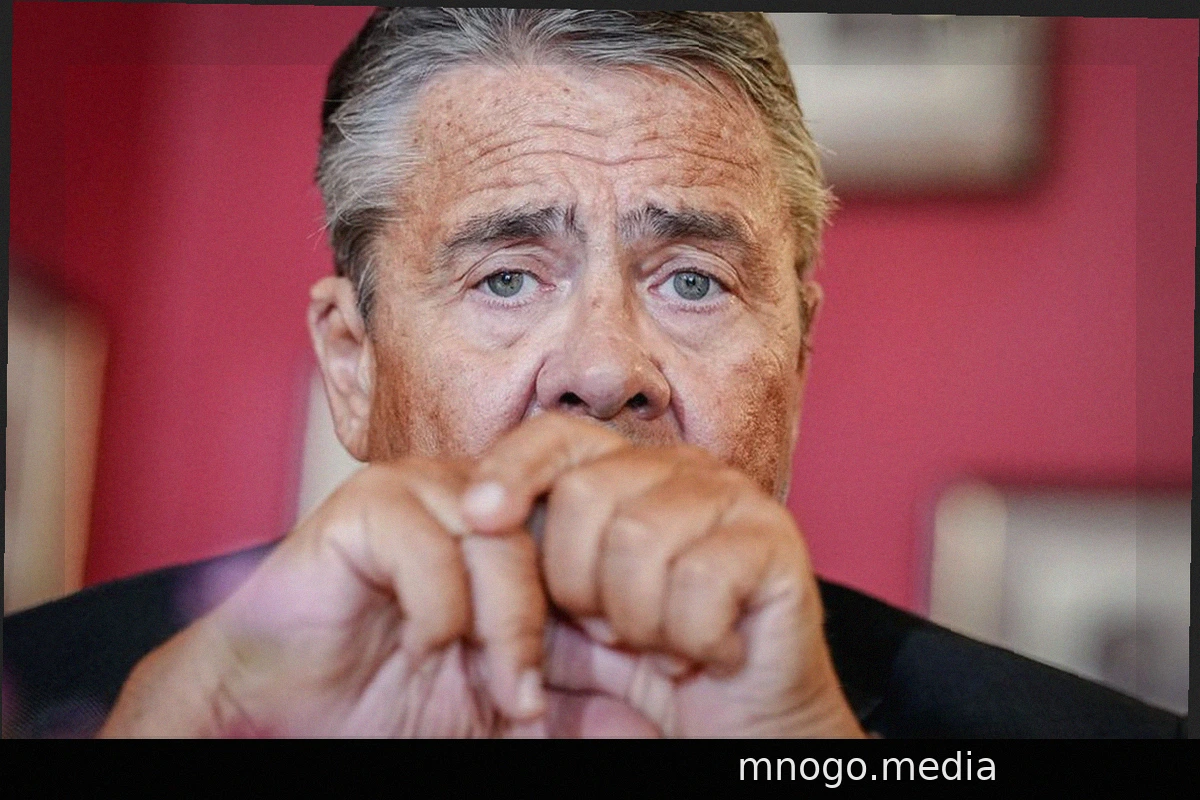
Sigmar Gabriel Warns SPD Against Coalition with The Left After Berlin Election
The Left party emerged as the strongest force in Sunday's election, securing 25.7 percent of the vote, followed by the CDU, AfD, Greens, and SPD. Beyond a red-green-red coalition, a CDU-Green-SPD alliance is also a mathematical possibility. A significant hurdle for The Left in potenti