Alexander Zverev Claims Second Major Title at US Open Final
Alexander Zverev was ready. Ready for his opponent's next serve, ready for the next return, ready for the next game in the final. But suddenly, he understood there would be no next game. Zverev had miscounted; he had already won the match. He raised his arms, laughed, and cheered. As the first German since Boris Becker in 1989, Zverev has won the US Open.
The 29-year-old from Hamburg defeated American Ben Shelton 6:4, 7:6 (7:2), 5:7, 6:2 on Sunday. This victory secured the second Grand Slam title of his career, following his initial triumph in Paris in early June. After many attempts and four final losses, he finally broke through there. Now, he has arrived where he has long wanted to be.
“We went 30 years without a Grand Slam title, and now we’ve won two in one year,” Zverev said on court in his victory speech, thanking his family and team. “God has seen how hard we have worked, how we have suffered, through how much pain we have gone. I believe 2026 is the result of everything we have invested.”
Exactly six years ago to the day, Zverev lost his first Grand Slam final in New York to Dominic Thiem after leading two sets to none. It was one of the most painful defeats of his career, one that lingered. Zverev’s lessons learned after that day were long and marked by setbacks. But the 2026 US Open final, perhaps even more so than the French Open final three months prior, was now his masterpiece.
Alexander Zverev, the Tournament Player
The difference between playing one's first Grand Slam final and one's sixth was evident from the first set that afternoon in New York. Shelton had not yet settled into his debut, while Zverev immediately had the first break point in the opening game of the day. Shelton promptly double-faulted. Zverev confidently held his lead, then had another break point at 5:3. Another Shelton double-fault followed. The set was decided.
The title from Paris gave him “great peace,” Zverev had said before the final. And that peace was visible. Until the middle of the second set, Zverev was superior to his opponent in all aspects. He had a better first-serve percentage, played better returns, played smarter at the net, and won the few long rallies as well as many of the short ones. By the middle of the third set, Zverev had not allowed a single break point.
It is the art of the truly great to play their best tennis in the most crucial moments. It is therefore no coincidence that almost all top players have outstanding records in tiebreaks. Zverev managed to play his best tennis in the most important match at this US Open.
Like the national football team Germany once was, Zverev, the tournament player, improved match by match in New York. After having to battle through five sets in the first two rounds, he then played better round by round, not dropping a set until the final. There, Zverev was at his peak.
However, from the middle of the second set, it became increasingly difficult for him. This was mainly due to Shelton raising his energy level. He shouted after every winning shot, energized the crowd, and used his home advantage. Shelton saved a break point and remained mentally strong in critical phases. He deserved the tiebreak. And then he was down 0:5 because Zverev was playing exceptionally well again. Winning the second set was merely a formality for the German.
Plenty Speaks for Shelton
Shelton then disappeared into the locker room, changed his shoes – and his tactics. He played more serve-and-volley, attempted to be bolder overall, including on the return. At 3:2, he had his first chance to win one of Zverev's service games. Three thunderous serves later, the chance was gone. But things had begun to shift. With the first break of the day, Shelton secured the set shortly after.
Tennis is often a game of ups and downs. And it is a great art not to be overly thrown off by the swings in either direction. In Zverev's case, the reaction to the slight setback at the end of the third set that Sunday in New York was as follows: He broke serve directly in the first game of the next set. After that, the match again went in one direction. Ultimately, it was over before Zverev himself had fully grasped it.
At the end of this final, there were several statistics that spoke for Shelton. The American served more aces, more winners – shots that lead to an immediate point. He had a better first-serve percentage and won more points on his second serve than Zverev.
The fact that such a match could still be won so decisively by the German shows once again how little it matters in tennis to win every rally, and how much it matters to win the truly important ones. Zverev now masters this art like very few others. It is the art of Grand Slam champions.
Fresh materials — Society News
The Trier Administrative Court: Why the Trier Asylum Court is One of the Fastest in Germany
On a Wednesday morning, shortly before ten, the brothers Abdul and Josef Salam H. are in Courtroom 1 of the Administrative Court of Trier, lodging a complaint against the Federal Republic of Germany. Josef Salam, 24, fidgets nervously, while his 22-year-old brother Abdul looks aro
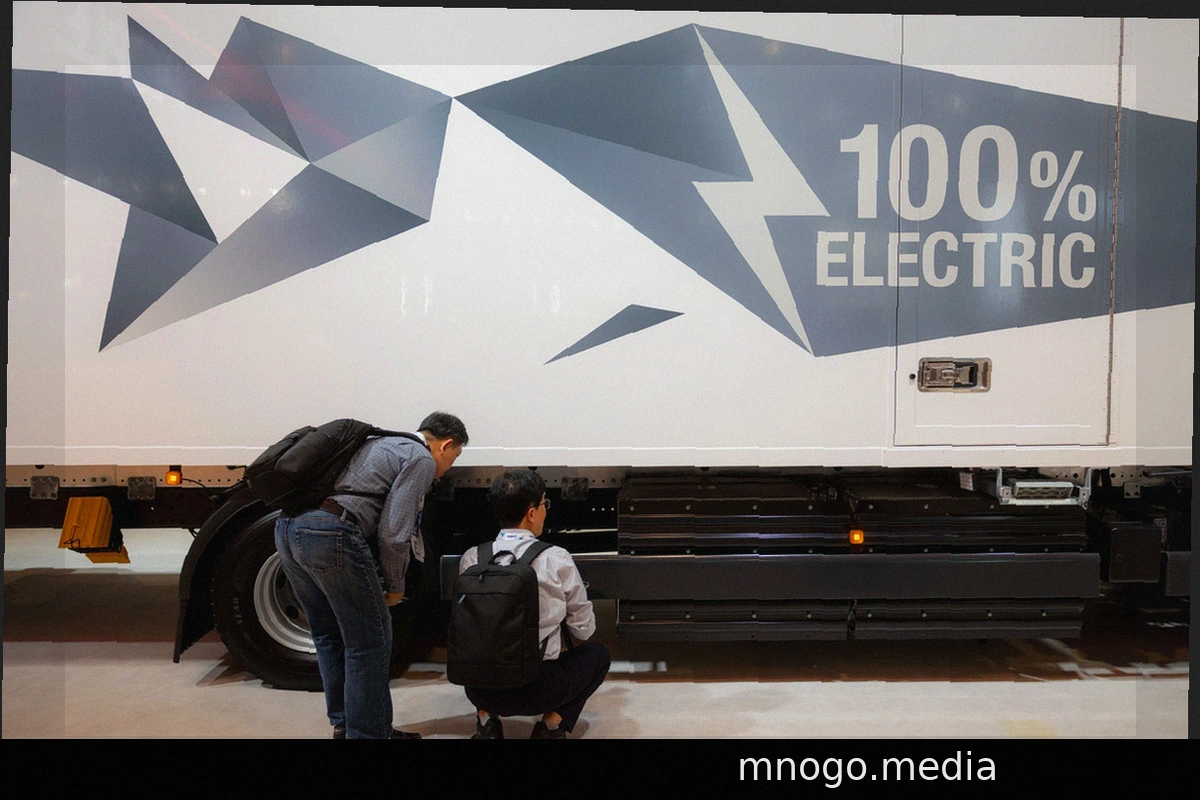
IAA Transportation: Trucking Industry Faces Electrification Challenges
Daimler Truck made a bold statement at the IAA Transportation truck show: "We have delivered." This declaration, displayed prominently on stage, reflects not only the company's confidence in developing a leading electric heavy-duty truck but also growing frustration. The necessary inf
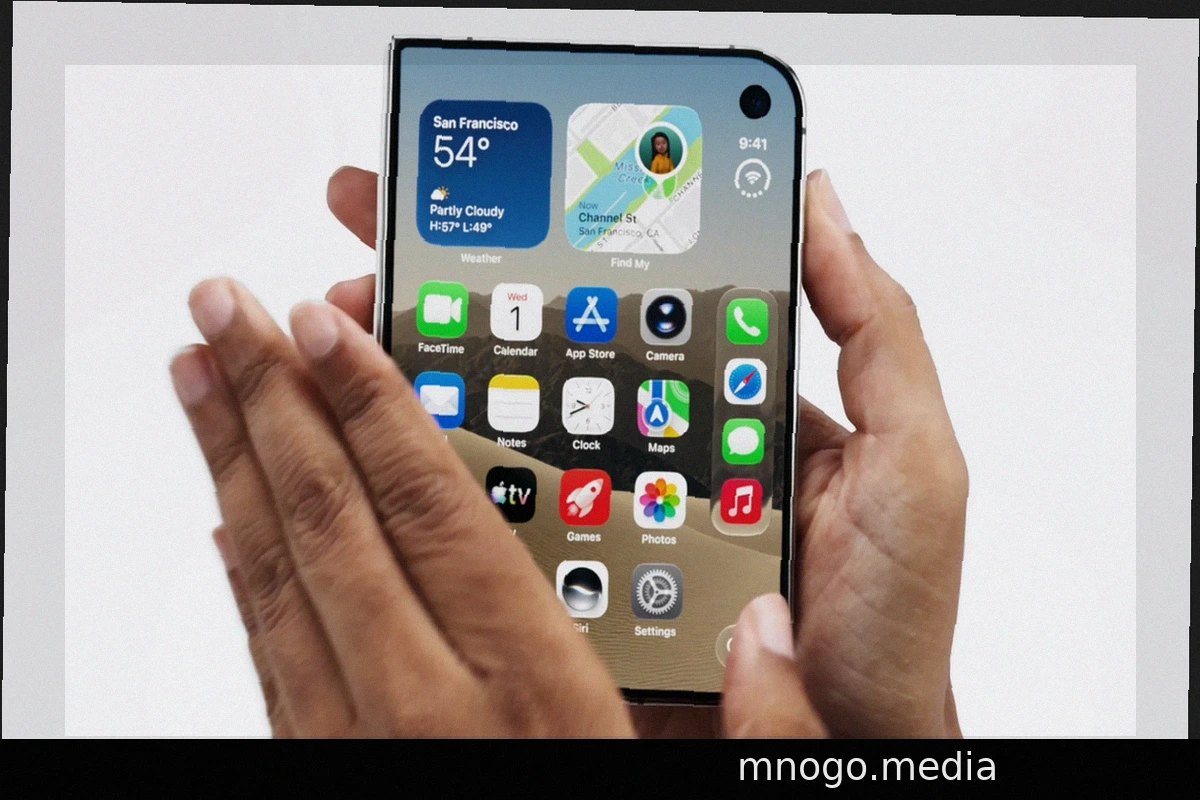
Apple Unveils Foldable iPhone Duo and Other New Products
Apple has launched its inaugural foldable smartphone, the iPhone Duo. Unlike many competing products in a similar form factor, it boasts a comparatively wide 5.4-inch external display and an internal screen that expands to 7.6 inches. To view the inner display, both titanium halves un
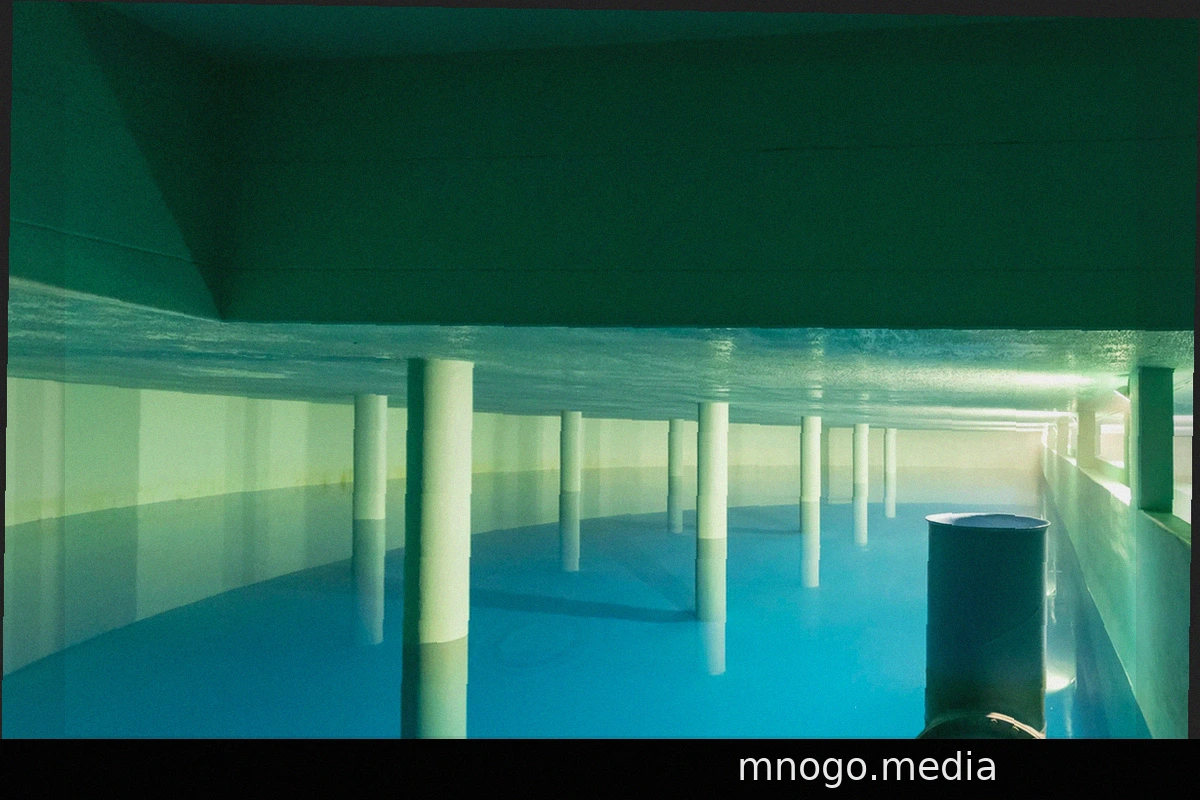
Groundwater Dispute: Water for Frankfurt, Drought for Birstein?
The small streams above Birstein have dried up, the meadows are yellow to brown, and cows can no longer find grass. Even the onset of rain doesn't change this immediately. This is because two million cubic meters of drinking water flow from the small Hessian community to Frankfurt eve
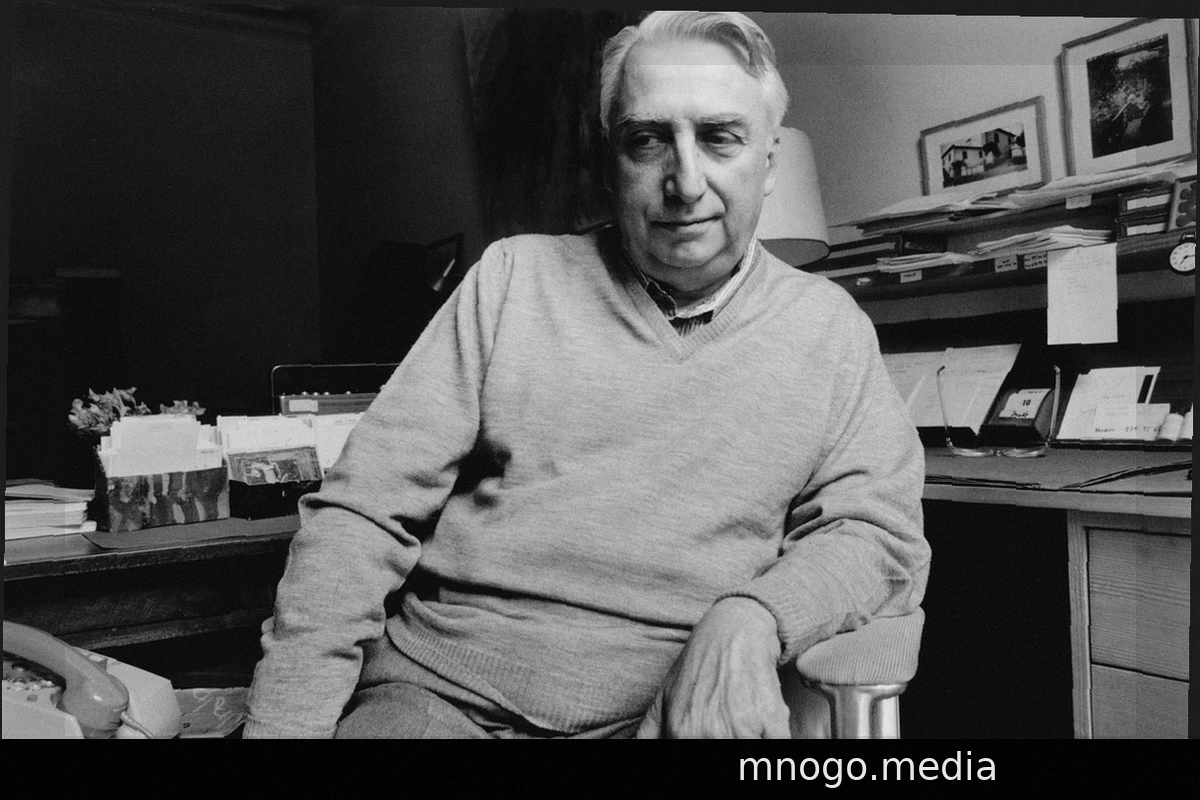
When AI Does Everything: Who Wants to Read Anymore?
Literary scholars like Erik Schilling are not the first to herald the impending demise of the author in the face of artificial text generation, styling chatbots like ChatGPT as the unlikely successors to Roland Barthes. Long before the emergence of an "hermeneutics of fear" that constantly per
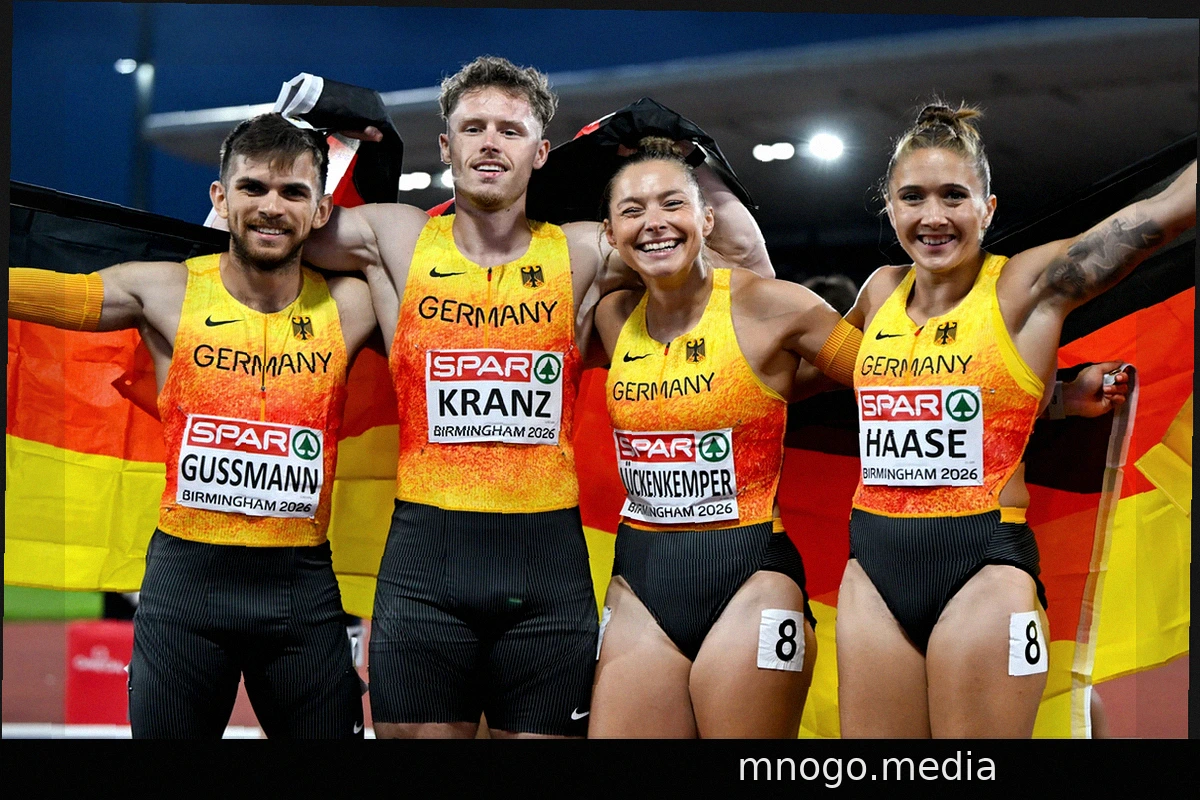
Ruppert Claims Gold in Steeplechase, German Mixed Relay Secures Silver at European Championships in Birmingham
Frederik Ruppert of Tübingen has been crowned European champion in the 3000m steeplechase. The 29-year-old athlete achieved his first major career title in Birmingham with a time of 8:25.33 minutes, narrowly defeating Ruben Querinjean of Luxembourg (8:25.61). Karl Bebendorf of Dresden secur