The Trier Administrative Court: Why the Trier Asylum Court is One of the Fastest in Germany
On a Wednesday morning, shortly before ten, the brothers Abdul and Josef Salam H. are in Courtroom 1 of the Administrative Court of Trier, lodging a complaint against the Federal Republic of Germany. Josef Salam, 24, fidgets nervously, while his 22-year-old brother Abdul looks around. An attorney sits beside them. When Judge Alexandra Fiedler enters the courtroom just before ten, they rise. These are the first two of five asylum cases Fiedler will hear that day. All plaintiffs are men who fled Syria as adolescents or young adults due to the civil war and are now facing deportation orders from the Federal Office for Migration and Refugees.
Judge Fiedler briefly outlines the brothers' story: They left Syria in December 2023, traveled through Turkey to Europe, and arrived in Germany in February 2024, where they filed asylum applications. During their interview with the Federal Office for Migration and Refugees, they cited compulsory military service in Syria as their reason for seeking asylum. Two years passed before they learned their applications for asylum and protection status had been rejected in March 2026. They then filed their lawsuits.
Courtroom 1 at the Administrative Court, with its textured wallpaper and dark gray carpet, exudes a sense of practicality. Only a few people are present: the judge at the front, the plaintiffs to the right, and an interpreter and a representative from the Federal Office for the Republic of Germany on the left. The spectator rows are empty, as they often are. Administrative court proceedings don't deal with crimes and punishments, but with the legality of official actions—not with human tragedies, but with the individual's right to protection against the state and arbitrary administrative decisions.
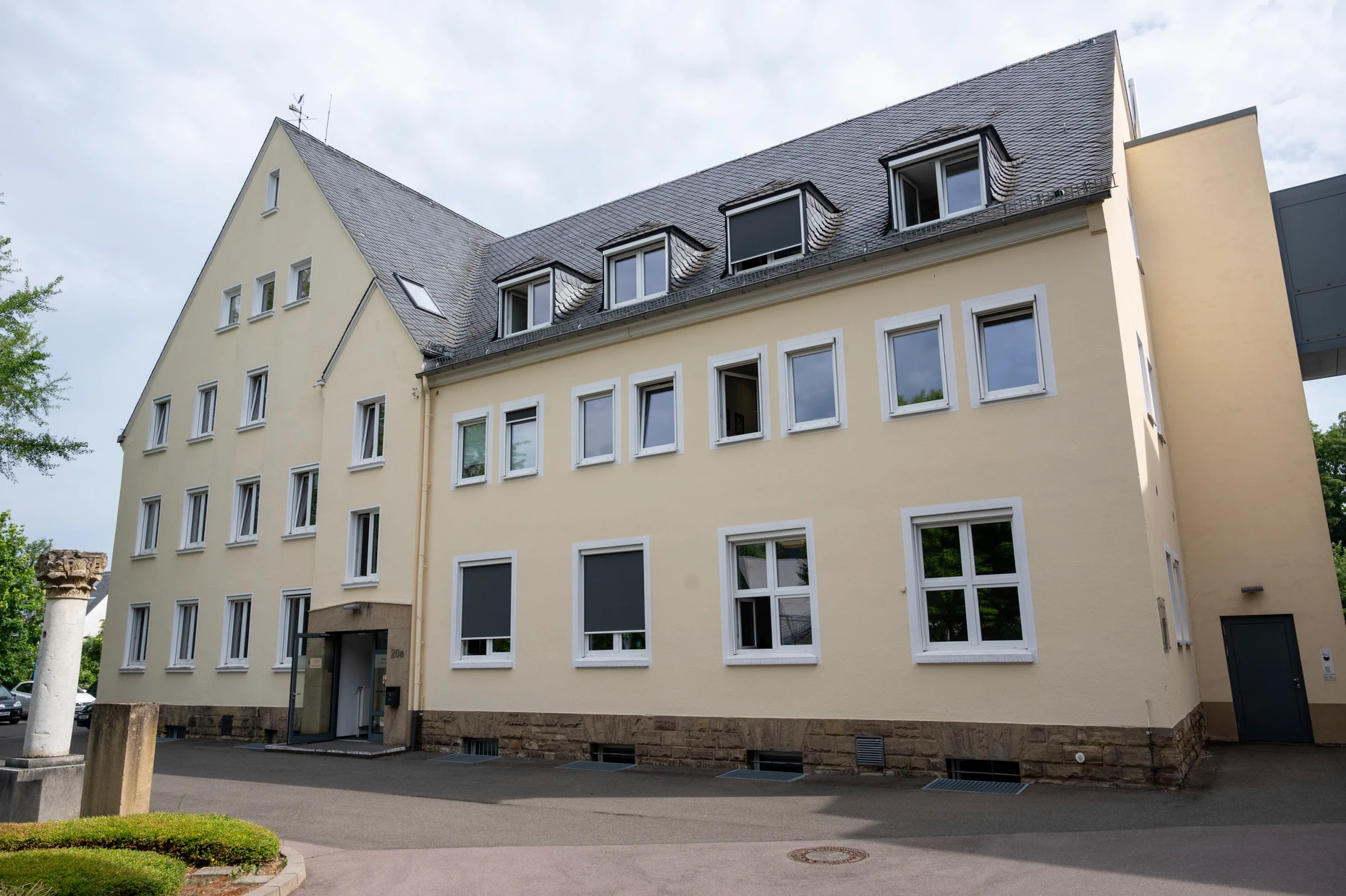
Asylum seekers also have this right. Despite a general decrease in asylum applications, the number of lawsuits at administrative courts is rising. This stems from the past overload of the courts and the Federal Office's recent revocation of protection status for many Syrians. Since the fall of the Assad regime, the number of Syrians recognized as asylum seekers has dramatically decreased, standing at approximately five percent after adjustments.
Integration status is irrelevant
Josef Salam and Abdul live in northern Rhineland-Palatinate. One works full-time for a cleaning company, earning €2500 net per month according to his statements. "Net?" Judge Fiedler asks. "Net," Josef Salam confirms. His brother Abdul works part-time at a kiosk, earning €1500 net. He plans to return to a cleaning company job soon, having been dismissed from a previous one due to back pain. They share housing with a third, younger brother. Their remaining family resides in Syria and offers no support. Their current situation or employment status in Germany is not relevant to this proceeding. The sole issue is deportation, which the brothers aim to prevent.
Josef Salam H. states, "There's nothing waiting for me in Syria." His brother nods. He mentions the destruction in their homeland and the unemployment there. Josef Salam H. then recounts an alleged incident that occurred after they filed their lawsuit in March. Someone reportedly attempted to extort his father, with unknown callers threatening to kidnap one of his daughters unless $10,000 was paid. The callers allegedly mentioned the money his sons sent from Germany. Due to these threats, the family moved from Daraa province to the capital, Damascus. "If we return to Syria, we could also be kidnapped," Abdul H. says. He doesn't know who made the threats, stating the last call was received a few weeks ago.
The representative from the Federal Office states coolly that she finds the account not credible, as the brothers' statements do not align. Furthermore, the alleged extortion began only after the asylum rejection. The judge later writes in her ruling that the testimony was presented "for asylum tactical reasons." Even "assuming it to be true," she notes, there is no increased risk of persecution for the brothers. The logic is that once in Syria, they would no longer have money and thus would not be targets for extortion.
The first hearing concludes within an hour, consistent with the Administrative Court of Trier's reputation as one of the fastest in Germany for asylum cases. All cases from Rhineland-Palatinate were consolidated there 25 years ago to strengthen the location, at a time when asylum seeker numbers were low. This changed from 2015 onwards, and the consolidation proved beneficial: the chambers specialized in specific countries of origin. This allows judges to focus on evaluating individual asylum claims rather than re-learning humanitarian conditions for each case.
Speed isn't everything, one judge remarked
Other federal states, like Hesse, have since adopted this model, centralizing their asylum proceedings. In Hesse, administrative courts have recently taken an average of 19 months per case, while the national average is 14 months. In Trier, the average case duration was once as low as 3.5 months but has risen to eight months due to the sharp increase in case volume. When F.A.Z. published an article last year about the rapid pace of asylum decisions in Rhineland-Palatinate, administrative judges from other states responded. One judge commented that speed isn't everything: "The thorough examination of individual cases must be paramount." She preferred not to be named, as the slowness of many administrative courts is a politically sensitive issue.

The rulings in the cases heard in Trier that day contain nearly identical passages regarding the humanitarian situation in Syria. It is described as consistently dire but no longer life-threatening for all individuals.
This is also the case for Mohammad al S., who left Syria in 2018 and arrived in Germany in 2024. He cited war and compulsory military service as reasons for fleeing during his interview with the Federal Office. Now that the war is over and the regime has fallen, the authorities decided he no longer faces persecution. His applications were rejected, and he is now in court seeking a different form of protection. "What are you afraid of?" Judge Fiedler asks. The man, in his mid-twenties, describes a feud between his family and another family over a piece of land. His parents and siblings allegedly left for Lebanon temporarily out of fear. The Federal Office representative again expresses skepticism about the credibility of these accounts.
Judge Fiedler listens attentively, asking clarifying questions in a calm, factual manner. At the end, she summarizes the hearing for the record. The plaintiff confirms its accuracy through the interpreter's translation. All parties review the proceedings. Another judge from Trier notes that these proceedings help asylum seekers accept the Federal Office's decisions, viewing the administrative court as a therapeutic space.
The ruling states: The judge does not believe Mohammad al S.
Despite the proceedings concerning his future in Germany, the 28-minute hearing for Mohammad al S. proceeds with remarkable composure. It feels more like a ticket inspection—personal details are recorded, but no fines are levied. Other entities handle that. As is customary in asylum proceedings, the judge does not issue an immediate verdict. The written judgment will be mailed to the plaintiff within two weeks. It will state that the court finds the accounts not credible and sees no grounds to oppose deportation.

Mohammad al S. is likely to receive mail from the immigration authority in Rheinhessen, which will take over his case from the Federal Office for Migration and Refugees. Deportation is sometimes centralized, but in Rhineland-Palatinate, the districts and independent cities manage these matters. Initially, the request is for the individual to leave Germany, with offers of voluntary departure presented: €1000 plus travel expenses. This is a cost-effective option for the state, as a deportation can quickly cost ten times as much. However, few accept the offer. An asylum lawyer explains that given the poverty in Syria and the potential earnings in Germany, it's simply not appealing.
At 12:04 PM, Judge Fiedler opens the next case. Another young man, in his early twenties, who applied for asylum in Germany nearly two years ago, is next. His journey cost him €15,000. "Where did you get the money?" the judge asks. "Everything I owned, I sold," he replies. His car, a piece of land. The judge takes notes. His father has passed away, and the house in Daraa province where he lived is partially destroyed, making it impossible to return. "I have no one left there," the man says. "And I like living in Germany."
He works part-time for a craft company, earning €1500 net per month, and lives near Bad Kreuznach. He speaks for ten minutes about his life in Germany. "I'll summarize: you've built something for yourself here and don't want to go back," the judge states. He nods. The later ruling will note that based on the impression from the oral hearing, the "young, healthy, able-bodied plaintiff" can earn a living in Damascus if he does not return to Daraa.
Abdul A. feels threatened in Syria by a family feud
By 1 PM, Abdul A. is in court. He missed his morning appointment due to a train cancellation between Mainz and Trier, a journey of about three hours. Scheduling often has to be adjusted due to delayed trains. Plaintiff Abdul A. claims he feels personally threatened in Syria by a family feud, stating that his family is in conflict with another, putting him and his brothers at particular risk. He provides no evidence.

"Syria still feels like home," he says. "But if you don't feel safe there, I don't want to stay." He emphasizes that he abides by the law in Germany, works, and is self-sufficient. This will not be a factor in the later ruling, as the case solely concerns the grounds for asylum. All five judgments conclude: "The lawsuit is unsuccessful, as it is admissible but unfounded." An appeal can be filed within one month. An appeal is only likely to be admitted if it can be argued that the ruling deviates from established legal precedent, a procedural error occurred, or the case involves a fundamental legal question. The majority of cases conclude at the administrative court level.
Abdul A. appears calm as he leaves the courtroom. Although the verdict hasn't been rendered yet, his lawyer has informed him of the low chances of success. If he loses, he states, it doesn't automatically mean he must return. "There is no deportation to Syria," he asserts. He can, like others who lost their court cases, seek a temporary suspension of deportation (Duldung) from the immigration authority. Currently, this is granted due to the "impossibility of deportation." The new Syrian leadership does not cooperate with Germany, and only criminals are currently deported through an elaborate process. This has only succeeded in a handful of cases so far. A. intends to remain law-abiding, work, and demonstrate his value to Germany.
Fresh materials — Society News

IAA Transportation: Trucking Industry Faces Electrification Challenges
Daimler Truck made a bold statement at the IAA Transportation truck show: "We have delivered." This declaration, displayed prominently on stage, reflects not only the company's confidence in developing a leading electric heavy-duty truck but also growing frustration. The necessary inf

Alexander Zverev Claims Second Major Title at US Open Final
Alexander Zverev was ready. Ready for his opponent's next serve, ready for the next return, ready for the next game in the final. But suddenly, he understood there would be no next game. Zverev had miscounted; he had already won the match. He raised his arms, laughed, and cheered. As

Apple Unveils Foldable iPhone Duo and Other New Products
Apple has launched its inaugural foldable smartphone, the iPhone Duo. Unlike many competing products in a similar form factor, it boasts a comparatively wide 5.4-inch external display and an internal screen that expands to 7.6 inches. To view the inner display, both titanium halves un
Groundwater Dispute: Water for Frankfurt, Drought for Birstein?
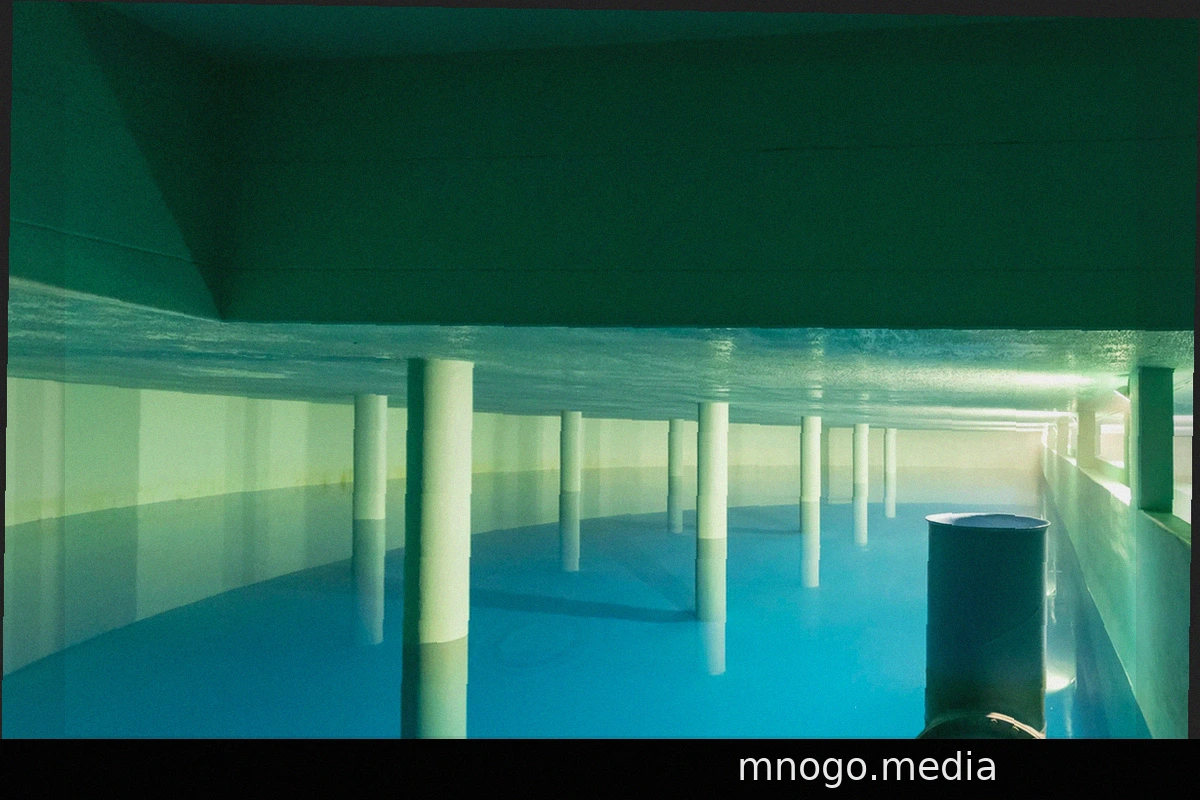
The small streams above Birstein have dried up, the meadows are yellow to brown, and cows can no longer find grass. Even the onset of rain doesn't change this immediately. This is because two million cubic meters of drinking water flow from the small Hessian community to Frankfurt eve
When AI Does Everything: Who Wants to Read Anymore?
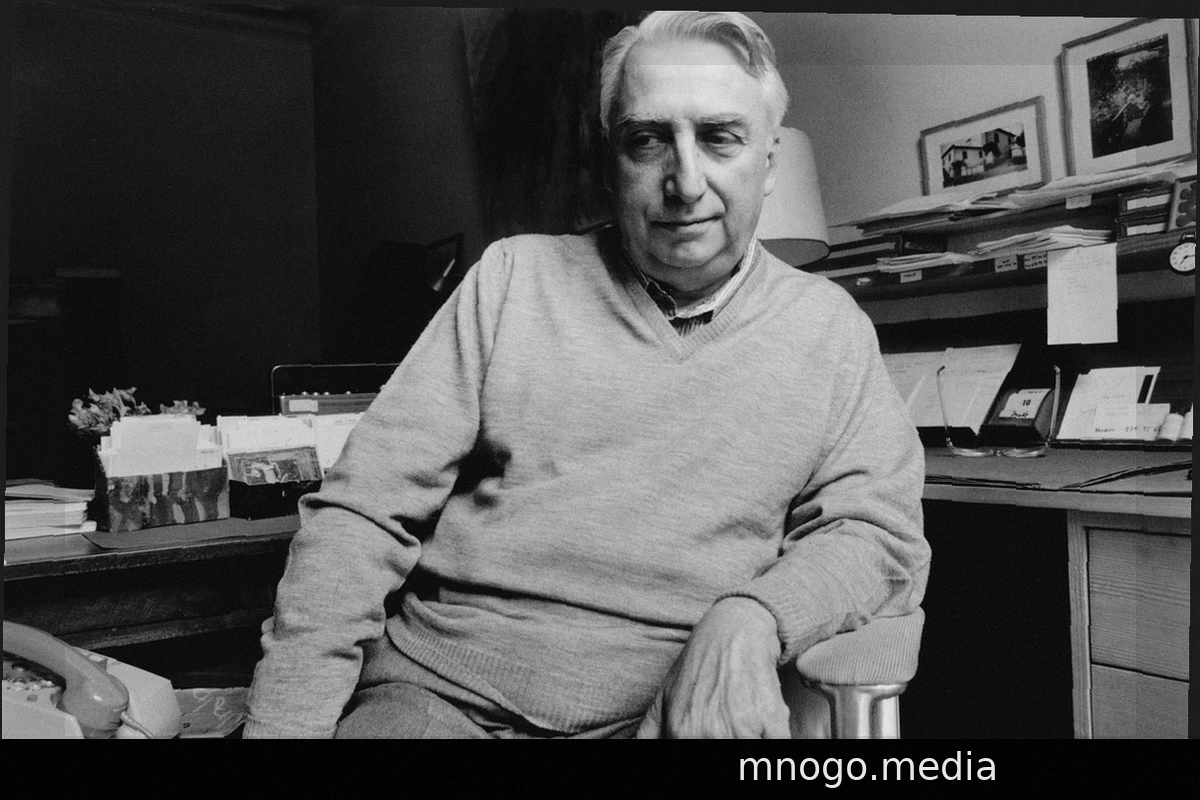
Literary scholars like Erik Schilling are not the first to herald the impending demise of the author in the face of artificial text generation, styling chatbots like ChatGPT as the unlikely successors to Roland Barthes. Long before the emergence of an "hermeneutics of fear" that constantly per

Ruppert Claims Gold in Steeplechase, German Mixed Relay Secures Silver at European Championships in Birmingham
Frederik Ruppert of Tübingen has been crowned European champion in the 3000m steeplechase. The 29-year-old athlete achieved his first major career title in Birmingham with a time of 8:25.33 minutes, narrowly defeating Ruben Querinjean of Luxembourg (8:25.61). Karl Bebendorf of Dresden secur