Micromanagement Won't Solve Major Problems Ahead of Coalition Committee Meeting
The current week of parliamentary sessions in Berlin is unlikely to reduce public dissatisfaction with politics. Many citizens will likely look with even more bewilderment at the issues occupying ministries and lawmakers.
Following the controversial draft law for the sugar tax, the proposal for a plastic tax is now also available. These two taxes alone will involve approximately 1000 public administration employees. The CDU and SPD also plan to increase taxes on alcohol and tobacco consumption. It is doubtful whether Germans will become less ill as a result, as stated in the justification for the taxes. The primary goal is to close budget deficits.
The 1.3 Percent Isn't an Economic Boom
When the Bundestag debates income tax in its first reading on Thursday, disappointment will continue. What is being called a "reform" does not deserve that title. For most taxpayers, even inflation-related losses will not be compensated. Top earners will pay more anyway. Little remains of the "effective relief" once promised in the coalition agreement. Due to rising social security contributions, less net income remains from gross income.
Even if Chancellor Friedrich Merz (CDU) spreads optimism in public appearances, the now-predicted 1.3 percent economic growth for this year should not be mistaken for an upswing. This growth is bought with debt-financed spending programs. A relapse into stagnation threatens as early as 2028. High interest burdens on the federal budget limit long-term growth opportunities.
The fragility of the situation is evident in the decline in industrial orders in August. This is due to fewer large-scale orders, particularly in the defense sector. The economy is dependent on state contracts. This is not a sustainable economic policy strategy.
Reforms, by their very definition, are meant to change structures for the better. The CDU and SPD are still not daring enough to tackle these structures. The coalition spends too much time on trivial matters. This, however, does not help with major problems.

Fresh materials — Society News
August Hanning: Espionage Scandal Shakes German Intelligence Agency
Former BND President August Hanning has been arrested on suspicion of treason. Investigations point towards a connection with Azerbaijan, marking an unprecedented event that impacts the agency at a sensitive time. The German Federal Intelligence Service (BND) emphasizes stringent security

Leonard Woolf's Memories: A Life of Sadness and Near Madness
The encounter between writers and the British colonies birthed a rich and varied literature. The world of South Asia and Africa, viewed from England, was not just geographically exotic but socially adventurous in two ways. Its inhabitants seemed alien, and more observant Englishmen no
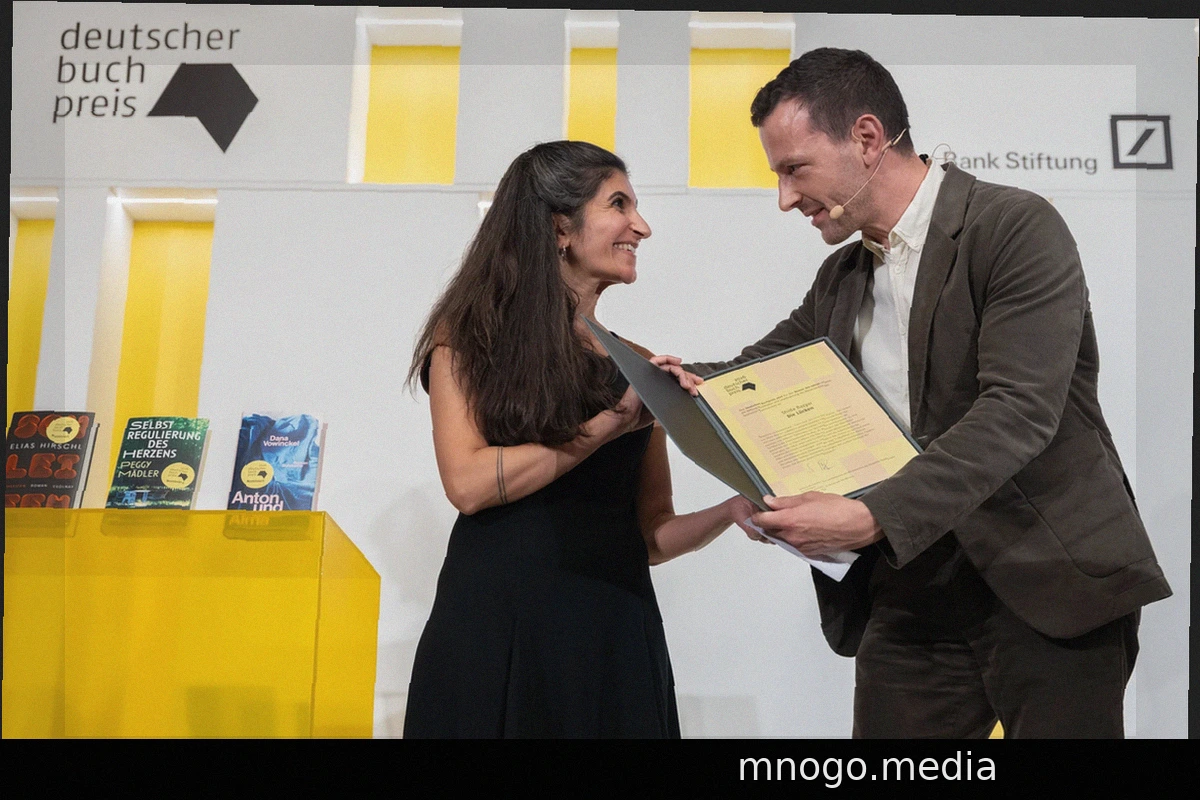
Deutscher Buchpreis: The Concept of "Heimat" Becomes Meaningless
Shida Bazyar's novel "Die Lücken" secured the Deutscher Buchpreis, a victory many anticipated. However, the laureate's acceptance speech offered a genuine surprise. The jury, represented by Maha El Hissy, described Bazyar's work as a novel that "redefines the 'Heimatroman'" (a genre focuse

Jáchym Topol's Novel: Lies of Life and Fears of War
A night in Prague. Tomáš, a journalist and author in his sixties, wanders through Malá Strana below the castle. He carries the weight of personal tragedies, their impact softened only by the alcohol he regularly consumes. Seeking another drink, he enters the pub “The Duke of Burgundy,” where t
"Everything is difficult: washing hands, getting dressed, eating breakfast"
Moderator Annika Lau describes the challenges her son faces due to ADHD. Simple daily tasks like washing hands, dressing, and eating breakfast become difficult. Lau shares how the condition shapes their family's routine and a surprising method she uses: gargling with water. Original Context
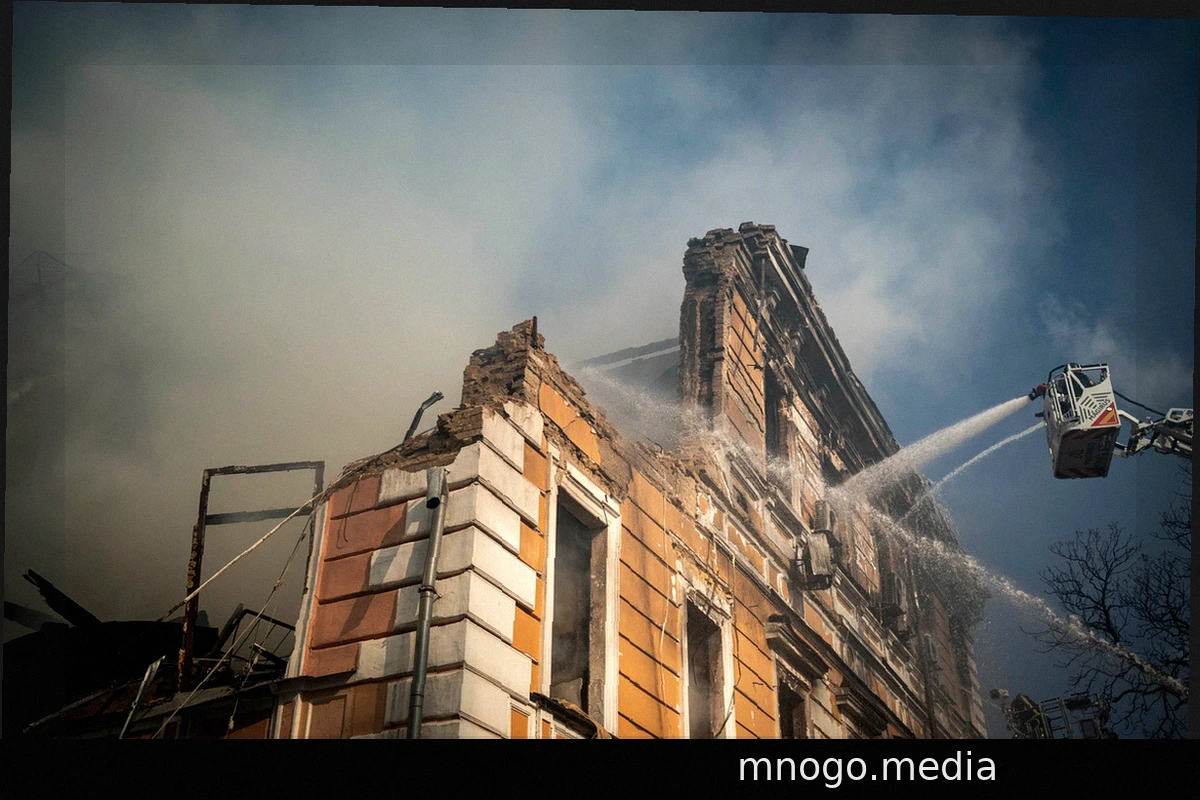
Merz's Kyiv Visit: Amidst Rubble, Merz Issues Demand to Putin
Original Title: Merz-Besuch in Kiew: Vor der Trümmerkulisse richtet Merz eine Forderung an Putin Original Teaser: Russia escalates attacks on the Ukrainian capital even during Chancellor Friedrich Merz's visit. He states: "We will persevere, and I personally will persevere." Content: