SpaceX Chief in Interview: Journalism is Powerless Against Musk's Calculated Lies
In the popular exercise of engaging with controversial figures, Zanny Minton Beddoes, Editor-in-Chief of The Economist, made her latest attempt this week. It might be time to consider this experiment a failure. While Beddoes did much correctly in her hour-long interview with Elon Musk, perhaps starting by admiring him as someone who "does more to shape the future than any other living person" was a strategic misstep.
Instead of challenging his past prophecy about killer robots destroying humanity, she could have perhaps deflated his apocalyptic rhetoric. She also might not have let him dismiss concerns about his alleged racism by stating his partner is "half-Indian" and one of his children is named after a famous Indian physicist.
One could imagine her reacting with at least a brief laugh or a disbelieving shake of the head when Musk, a supposed champion of free speech, responded to a question about being anti-Muslim by saying he's only against people with "antithetical views" coming into a country, and against "rape and murder." Furthermore, describing Alice Weidel as a "thoroughly thoughtful person" seems like a significant understatement.
Alright, perhaps those were too many reservations.
However, Beddoes was persistent and clear on one crucial point: the number of lives lost due to the cessation of funding for the development agency USAID.
She pressed the issue, refusing to be sidetracked by Musk's whataboutism, and presented strong arguments. She confronted him with the fact that other aid organizations could not compensate for the shortfall caused by the Trump administration's abrupt decision. Musk, however, repeatedly claimed there were no deaths: "Zero!" Yet, if funding for antiretroviral drugs is cut overnight, people do die, don't they? "No."
He dismissed these claims as absolute nonsense, a "sad story" fabricated by a "fraudulent organization" that lost its funding. But deaths? "Zero point zero." Despite the suddenness of the decisions? "No human died. Zero."
Studies suggest that up to 14 million people died due to the cessation of aid. However, the issue here is not truth, but power. The writer Masha Gessen once termed this tactic "the lie of power," the lie of a bully, "the lie of the bigger child who has snatched your hat and denies it while wearing it." There is no defense against this kind of lie because "the point of this lie is to demonstrate power, to show 'If I want to, I can say whatever I want.'"
If one is not bothered by being humiliated in such a way, one can continue to engage with liars. Or should one refrain from doing so?
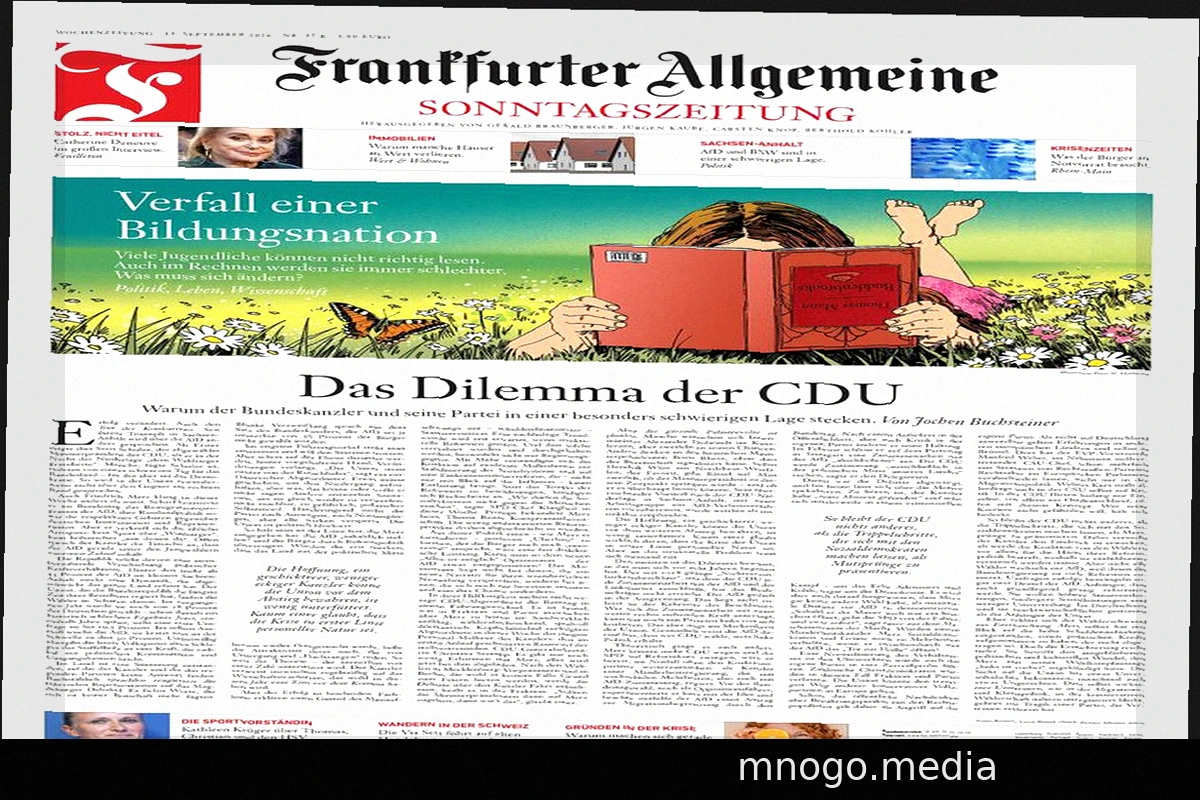
Fresh materials — Society News
The Trier Administrative Court: Why the Trier Asylum Court is One of the Fastest in Germany
On a Wednesday morning, shortly before ten, the brothers Abdul and Josef Salam H. are in Courtroom 1 of the Administrative Court of Trier, lodging a complaint against the Federal Republic of Germany. Josef Salam, 24, fidgets nervously, while his 22-year-old brother Abdul looks aro

IAA Transportation: Trucking Industry Faces Electrification Challenges
Daimler Truck made a bold statement at the IAA Transportation truck show: "We have delivered." This declaration, displayed prominently on stage, reflects not only the company's confidence in developing a leading electric heavy-duty truck but also growing frustration. The necessary inf

Alexander Zverev Claims Second Major Title at US Open Final
Alexander Zverev was ready. Ready for his opponent's next serve, ready for the next return, ready for the next game in the final. But suddenly, he understood there would be no next game. Zverev had miscounted; he had already won the match. He raised his arms, laughed, and cheered. As

Apple Unveils Foldable iPhone Duo and Other New Products
Apple has launched its inaugural foldable smartphone, the iPhone Duo. Unlike many competing products in a similar form factor, it boasts a comparatively wide 5.4-inch external display and an internal screen that expands to 7.6 inches. To view the inner display, both titanium halves un

Groundwater Dispute: Water for Frankfurt, Drought for Birstein?
The small streams above Birstein have dried up, the meadows are yellow to brown, and cows can no longer find grass. Even the onset of rain doesn't change this immediately. This is because two million cubic meters of drinking water flow from the small Hessian community to Frankfurt eve
When AI Does Everything: Who Wants to Read Anymore?
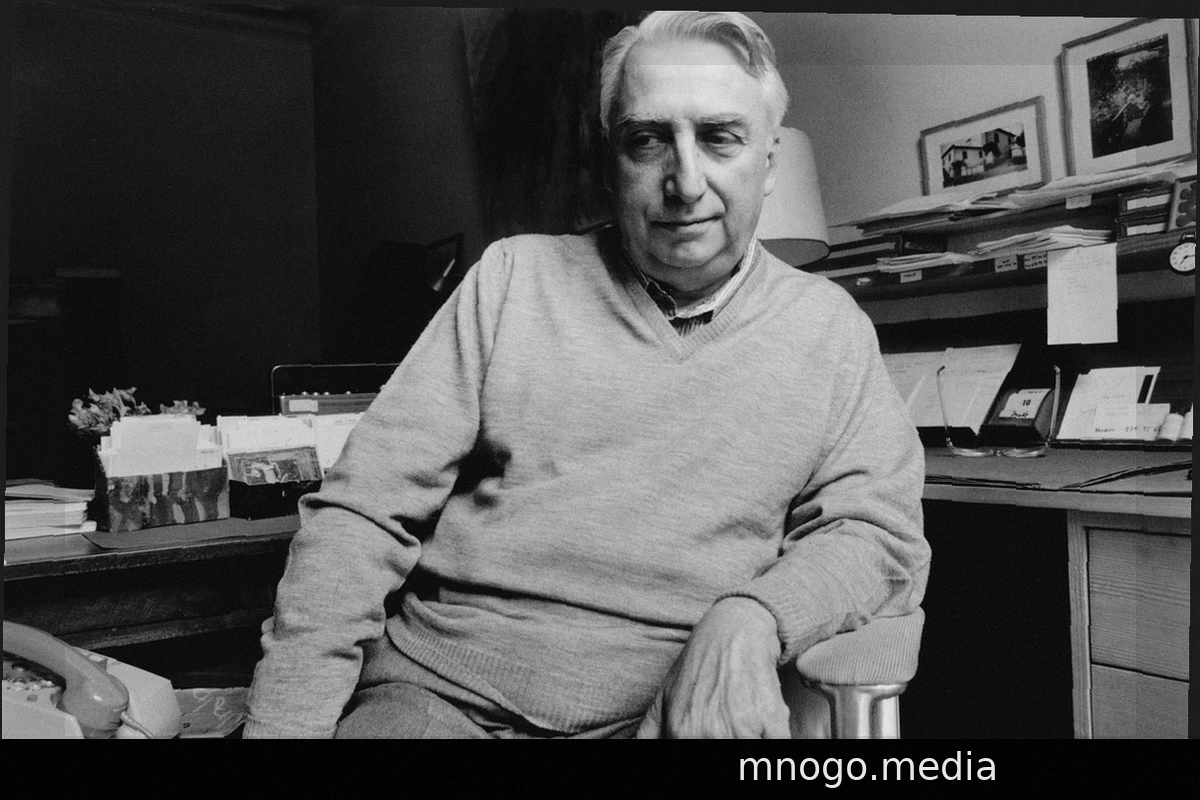
Literary scholars like Erik Schilling are not the first to herald the impending demise of the author in the face of artificial text generation, styling chatbots like ChatGPT as the unlikely successors to Roland Barthes. Long before the emergence of an "hermeneutics of fear" that constantly per