Christoph Waltz: Breakthrough After Fifty – A Global Star Today
Christoph Waltz is a global star and a two-time Oscar winner. His unpredictable presence imbues even supporting characters with immense power. He is now turning seventy.
You might find yourself seated next to Christoph Waltz at a Los Angeles garden party, where he casually pours more red wine and otherwise makes no fuss about his presence. Of course, he is the guest of honor at an event with high-priced tickets aimed at preserving historic properties, which are famously vulnerable to demolition in America. Less known is Christoph Waltz’s commitment. He can speak engagingly about architecture for an entire evening.
The two-time Oscar winner, who has lived with his family on the West Coast for many years, doesn't shy away from his neighborhood. This might stem from his unusual life path, the plot twist of which could be lifted from a Hollywood screenplay. An actor works for decades, remains largely unknown internationally, and then seemingly overnight becomes a global star in his later years. But Hollywood didn't discover a beginner. His late fame met a mastery honed over decades.
The Hard School of Craft
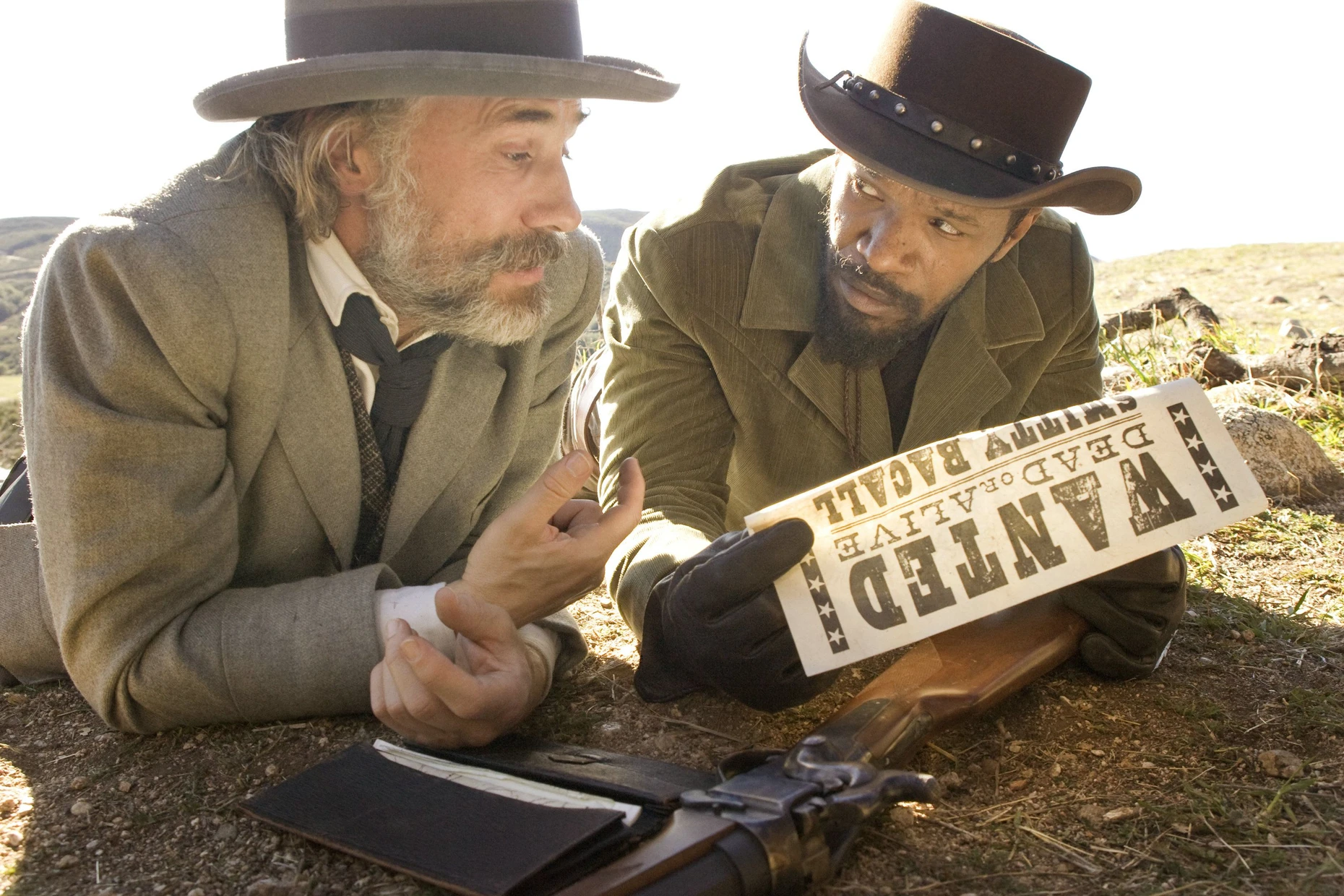
The actor was already in his early fifties when his international breakthrough came with the Oscar-winning role of Hans Landa in Quentin Tarantino's "Inglourious Basterds." Three years later, he received his second Oscar for his role as a bounty hunter in Tarantino's "Django Unchained." His history began in Vienna, where Waltz was born in 1956. Theater was a part of his world from an early age. His grandmother was a celebrated stage actress, and his parents worked as costume designers. Waltz trained at the Max Reinhardt Seminar. In the decades that followed, however, he was primarily seen in series like "Ein Fall für zwei," "Derrick," and "Kommissar Rex," shows known more for routine television than artistic distinction. He used them as a school for his craft.
His pivotal role became Roy Black in the 1996 television film "Du bist nicht allein" (You Are Not Alone). In it, Waltz portrays the Schlager icon from Wörthersee as a lonely, internally conflicted man, whose real name was Gerhard Höllerich and who dreamed of a different life. Waltz delivers a gripping portrait on the fine line between public glamour and private desolation. In "Der Tanz mit dem Teufel" (Dancing with the Devil) (2001), also a film by Peter Keglevic, he shifts the tension toward the uncanny. Waltz's portrayal of Richard Oetker's kidnapper is that of a diabolical respectable citizen, whose sadism is revealed perhaps only by a twitch of an eye.
In the character of SS officer Hans Landa, who specializes in finding hidden Jews, Waltz pushes the simultaneity of charm and danger to an unbearable extreme. Tarantino had long searched for an actor capable of appearing both sophisticated and threatening. He despaired over casting the role. The film risked failure until he encountered the Austrian.
On screen, Waltz unleashes an unpredictable presence. And his choice of roles reveals another strength. He appreciates the appeal of the supporting role. Certainly, he has also played leading parts, for instance in Polanski's film adaptation of "God of Carnage." But it is precisely the characters who emerge from the depth of the scene, rather than standing in the spotlight, that give him the freedom to set his own accents and take acting risks. They don't have to carry the entire film. With Waltz, they do it anyway.
Waltz won his two Oscars as Best Supporting Actor. And he is far from resting. In 2025, he appeared in cinemas twice. In Luc Besson's "Dracula," he plays the priest who hunts the vampire, portraying him as a connoisseur of evil. In Guillermo del Toro's Frankenstein adaptation, he is seen as arms dealer Harlander, who finances Frankenstein's research with his war profits. He has remained true to the dark, morally ambiguous characters who pursue their own distinct agendas in the background. On Sunday, Christoph Waltz turns seventy.
 Sandra Kegel
Responsible editor for the arts and culture section of the Frankfurter Allgemeine Zeitung.
Fresh materials — Society News
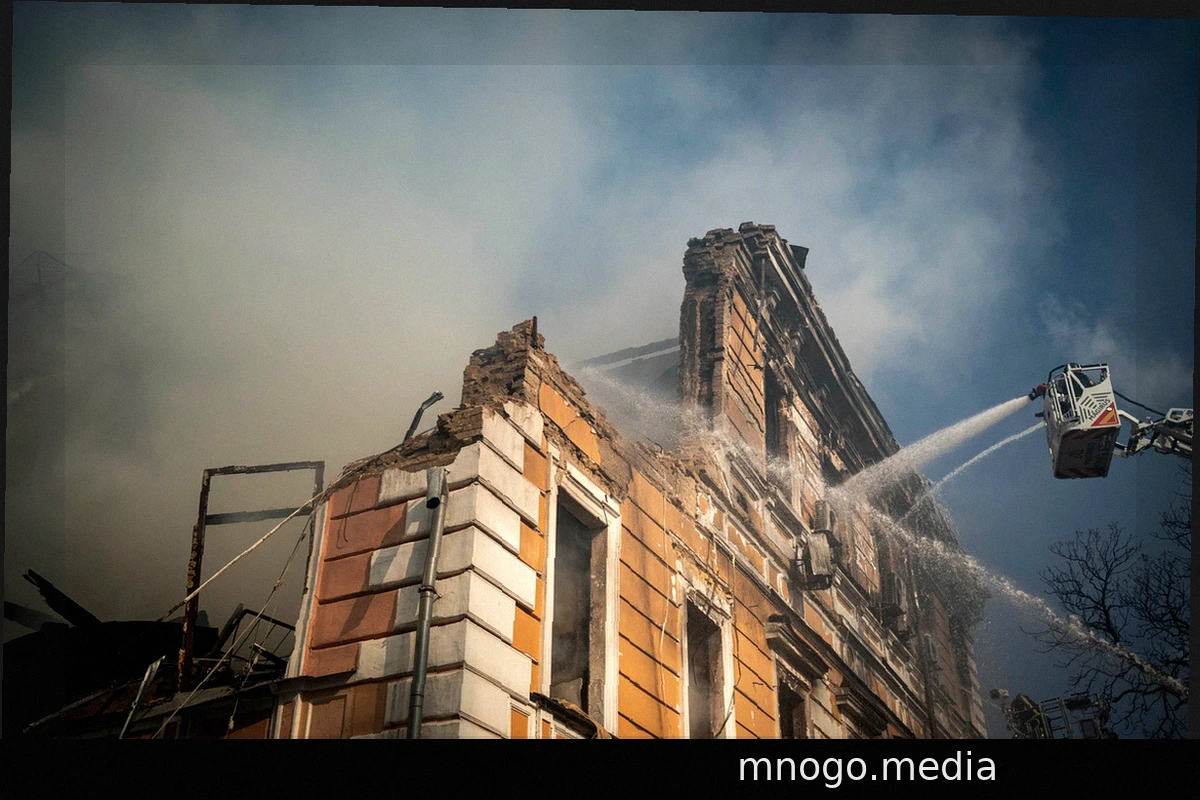
Merz's Kyiv Visit: Amidst Rubble, Merz Issues Demand to Putin
Original Title: Merz-Besuch in Kiew: Vor der Trümmerkulisse richtet Merz eine Forderung an Putin Original Teaser: Russia escalates attacks on the Ukrainian capital even during Chancellor Friedrich Merz's visit. He states: "We will persevere, and I personally will persevere." Content:
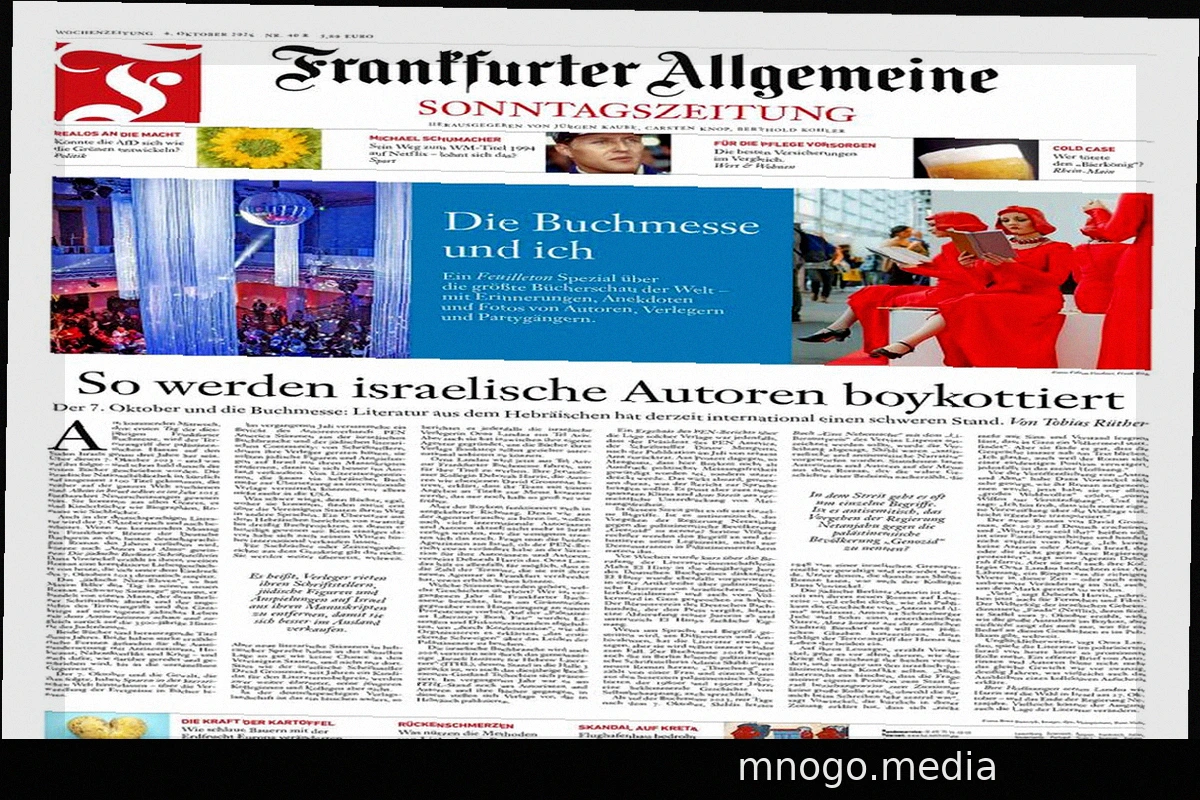
Israeli Authors Facing Boycotts at 2026 Book Fair
Three years after the Hamas attack on Israel, literature from Hebrew-speaking authors is finding it difficult to gain international traction. The Frankfurt Book Fair in 2026 falls close to the anniversary of the October 7th events, a period marked by significant literary output concerning the c

Overtourism: Construction Sites Replace Bali's Lush Green Rice Terraces
Waste, traffic jams, and endless construction: the "Island of the Gods" is grappling with the consequences of mass tourism. Opposition is mounting. At Canggu beach, a small crowd has gathered near a temple building, not for prayer, but with white and yellow bags
The Trier Administrative Court: Why the Trier Asylum Court is One of the Fastest in Germany
On a Wednesday morning, shortly before ten, the brothers Abdul and Josef Salam H. are in Courtroom 1 of the Administrative Court of Trier, lodging a complaint against the Federal Republic of Germany. Josef Salam, 24, fidgets nervously, while his 22-year-old brother Abdul looks aro

IAA Transportation: Trucking Industry Faces Electrification Challenges
Daimler Truck made a bold statement at the IAA Transportation truck show: "We have delivered." This declaration, displayed prominently on stage, reflects not only the company's confidence in developing a leading electric heavy-duty truck but also growing frustration. The necessary inf

Alexander Zverev Claims Second Major Title at US Open Final
Alexander Zverev was ready. Ready for his opponent's next serve, ready for the next return, ready for the next game in the final. But suddenly, he understood there would be no next game. Zverev had miscounted; he had already won the match. He raised his arms, laughed, and cheered. As