ETF-Induced Market Volatility: The SpaceX Case and Beyond
Index funds, commonly referred to as Exchange Traded Funds (ETFs), are now a dominant force in the stock market. This growing influence is increasingly leading to distorted stock prices, and the recent case of SpaceX serves as a prime illustration of this phenomenon.
The prevalence of ETFs means that a significant portion of trading volume is dictated by the composition of major indices. When an ETF needs to rebalance its holdings to align with a particular index, it can lead to large, artificial buying or selling pressure on specific stocks, regardless of their fundamental value or current market sentiment.
This mechanism can create a disconnect between a company's actual performance and its stock price. For instance, if a company is added to a widely tracked index, ETFs that track that index will be compelled to buy shares of that company, potentially driving up its price even if there's no inherent change in its business prospects. Conversely, a company's delisting from an index can trigger significant sell-offs by ETFs, leading to an unjustified price decline.
The SpaceX situation, though not a publicly traded company in the traditional sense and therefore not directly part of typical ETF index tracking, highlights the broader concern about the influence of large institutional investment vehicles on market dynamics. The sheer scale of capital managed by ETFs means their trading strategies can have a substantial impact on the liquidity and pricing of underlying assets.
While ETFs offer benefits like diversification and lower fees for investors, their increasing market dominance raises questions about market efficiency and price discovery. The potential for ETFs to amplify market movements, both up and down, is a growing concern for market participants and regulators alike. Understanding how these passive investment vehicles operate and their impact on stock valuations is crucial for navigating today's financial landscape.
Fresh materials — Society News
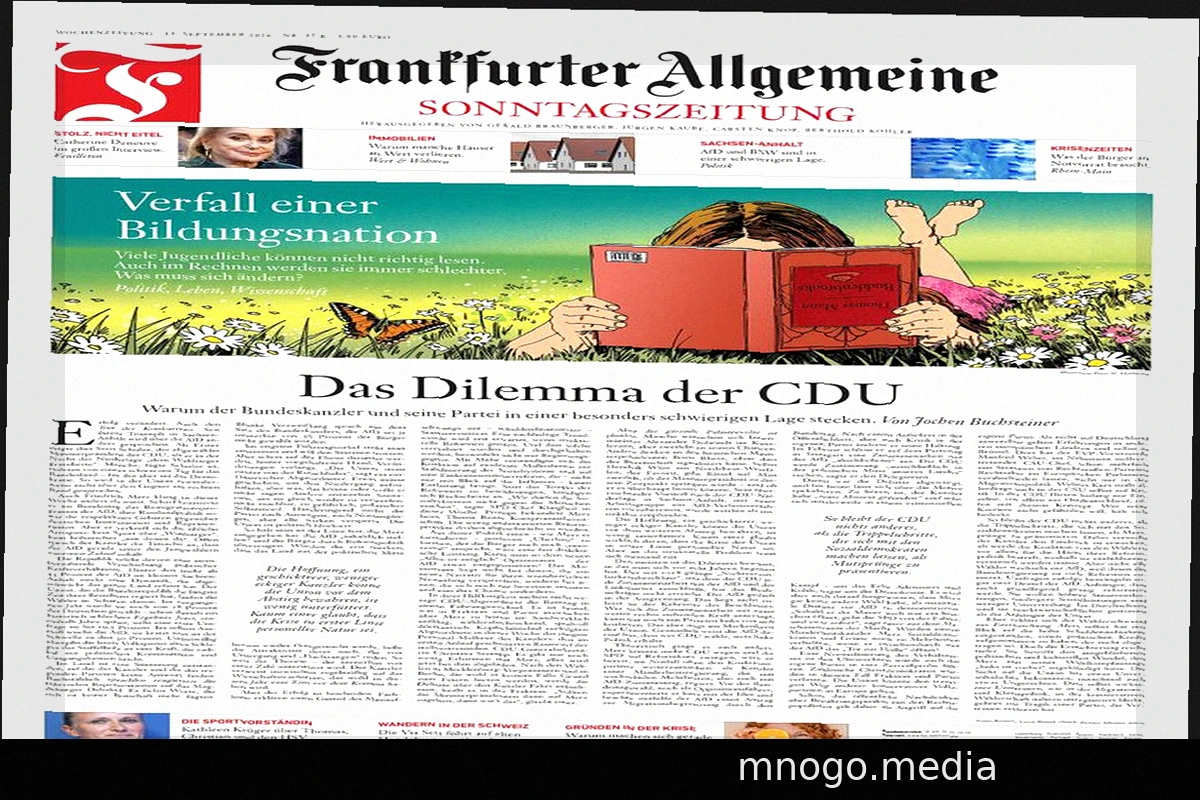
The Trier Administrative Court: Why the Trier Asylum Court is One of the Fastest in Germany
On a Wednesday morning, shortly before ten, the brothers Abdul and Josef Salam H. are in Courtroom 1 of the Administrative Court of Trier, lodging a complaint against the Federal Republic of Germany. Josef Salam, 24, fidgets nervously, while his 22-year-old brother Abdul looks aro

IAA Transportation: Trucking Industry Faces Electrification Challenges
Daimler Truck made a bold statement at the IAA Transportation truck show: "We have delivered." This declaration, displayed prominently on stage, reflects not only the company's confidence in developing a leading electric heavy-duty truck but also growing frustration. The necessary inf

Alexander Zverev Claims Second Major Title at US Open Final
Alexander Zverev was ready. Ready for his opponent's next serve, ready for the next return, ready for the next game in the final. But suddenly, he understood there would be no next game. Zverev had miscounted; he had already won the match. He raised his arms, laughed, and cheered. As

Apple Unveils Foldable iPhone Duo and Other New Products
Apple has launched its inaugural foldable smartphone, the iPhone Duo. Unlike many competing products in a similar form factor, it boasts a comparatively wide 5.4-inch external display and an internal screen that expands to 7.6 inches. To view the inner display, both titanium halves un

Groundwater Dispute: Water for Frankfurt, Drought for Birstein?
The small streams above Birstein have dried up, the meadows are yellow to brown, and cows can no longer find grass. Even the onset of rain doesn't change this immediately. This is because two million cubic meters of drinking water flow from the small Hessian community to Frankfurt eve
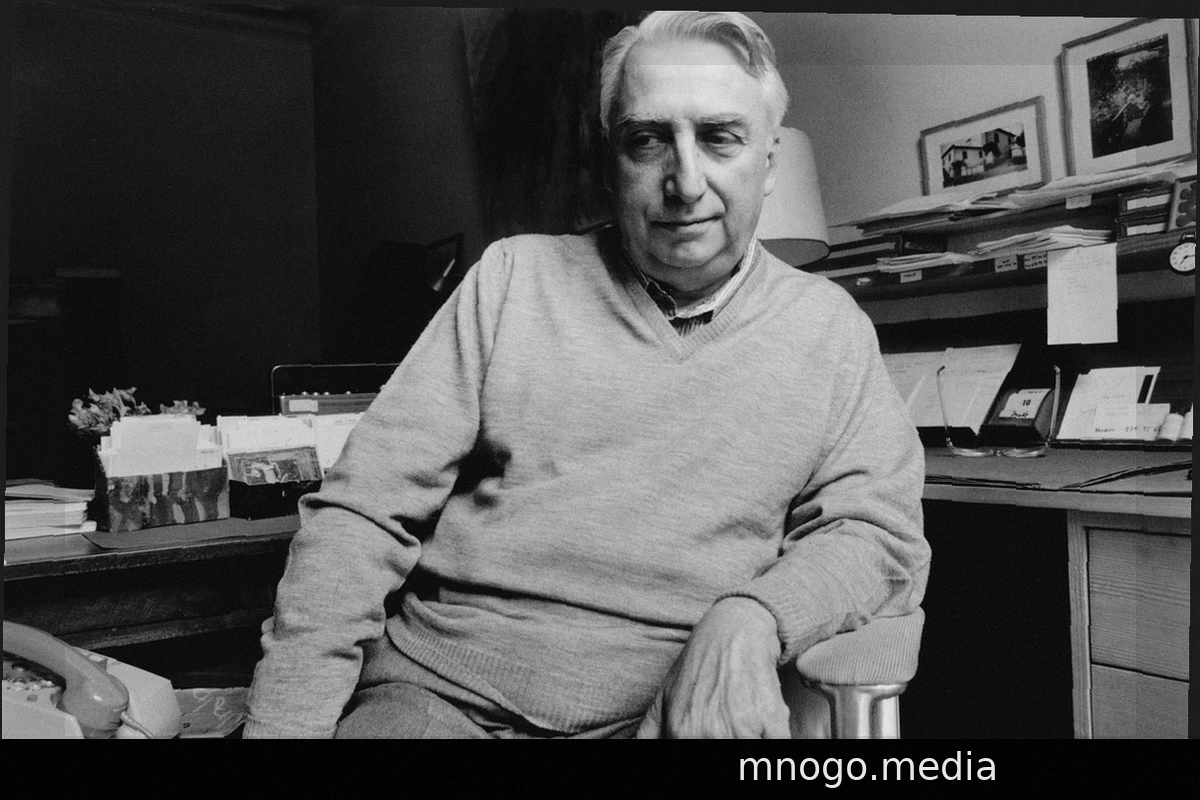
When AI Does Everything: Who Wants to Read Anymore?
Literary scholars like Erik Schilling are not the first to herald the impending demise of the author in the face of artificial text generation, styling chatbots like ChatGPT as the unlikely successors to Roland Barthes. Long before the emergence of an "hermeneutics of fear" that constantly per