Shetland Islands: A New Hub for European Spaceflight?
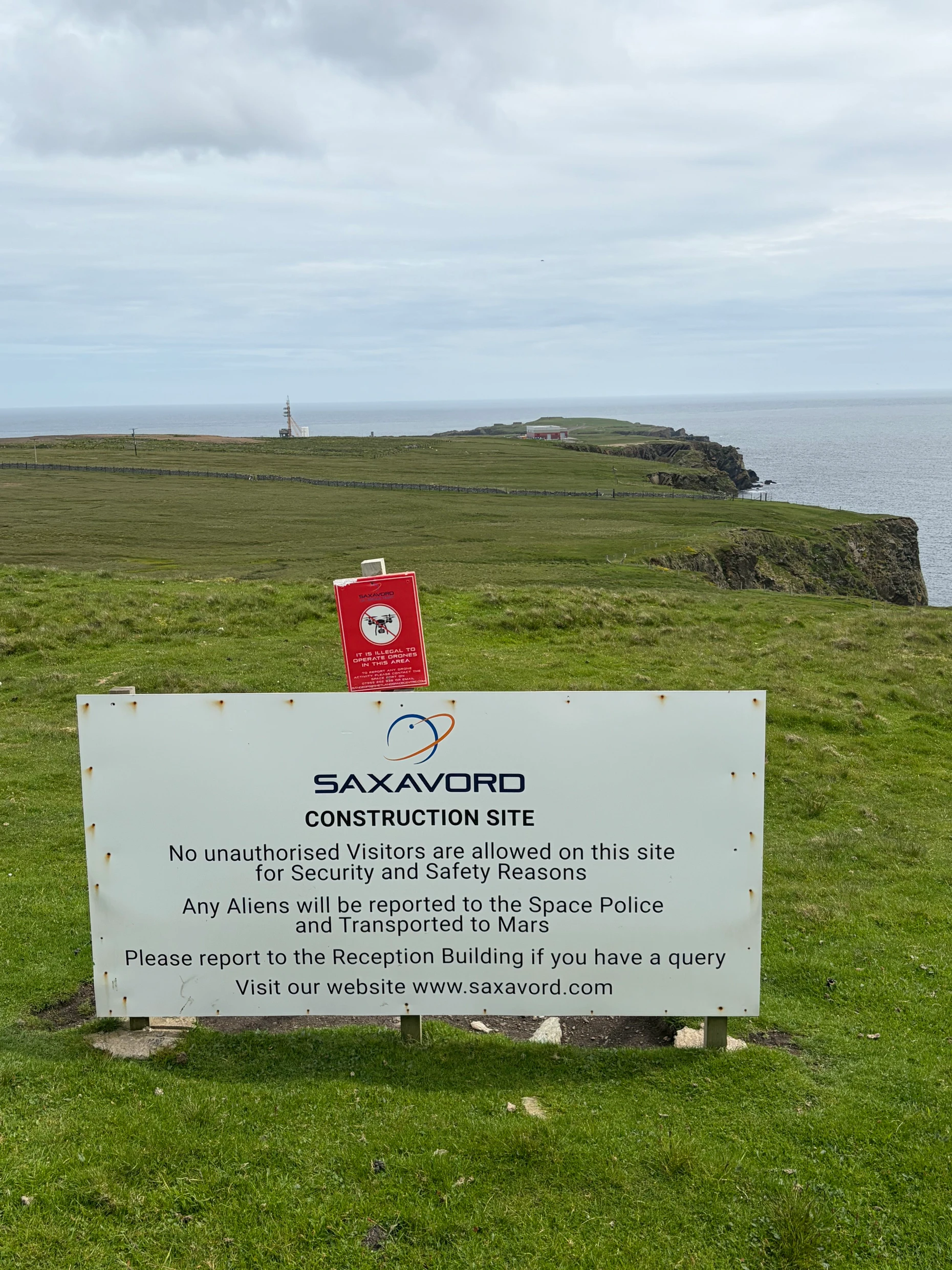
High in the north, on the Shetland Islands, a significant European spaceport is taking shape, with ambitions to serve defense needs. While the project is serious, it's not without its humor. Warning signs humorously declare, "Aliens will be reported to the space police and taken to Mars."
This whimsical threat was conceived by Frank Strang, the late founder of the rocket site on Unst, the northernmost inhabited island of Great Britain. He was the driving force behind this unique space venture. In late 2023, the site received the first license in Western Europe for vertical rocket launches. Though Frank has passed away, his ex-wife Debbie and her colleagues are continuing the project with vigor.
Private Initiative Challenges Global Powers
With a bit of luck, this year will see the first fruits of years of effort: test rockets could launch from the Shetland station, Saxavord. This would mark a breakthrough not only for European spaceflight but also for the private sector, as the ambitious project is driven by private investors, including German ones, rather than solely government funding.
The goal is to launch small satellites, offering a counterpoint to the capabilities of powers like Russia and China, both for civilian and military purposes. It also aims to reduce dependence on the United States and market leader SpaceX. Scotland, particularly Glasgow, is a crucial player in the development and manufacturing of these mini-satellites, often called "CubeSats." These compact, modular satellites can be combined into larger units and are lightweight enough to be carried by a milk carton.
Rocket Factory Augsburg and Hyimpulse Lead the Pack
These affordable marvels can provide internet and navigation services worldwide, monitor glaciers and crops, track ships and aircraft, and collect vital data for analyzing forest fire spread or troop movements.
Germany is at the forefront of this endeavor in Scotland. Two innovative companies from southern Germany, Rocket Factory Augsburg (RFA) and Hyimpulse from Neuenstadt am Kocher, are poised to be the first to launch from Saxavord. Both are part of the "New Space" generation – private ventures developing space technology more rapidly, affordably, and with a focus on market needs, often at smaller scales than traditional public organizations.
In Europe, the intergovernmental European Space Agency (ESA) typically launches heavy, geostationary satellites using large Ariane rockets from French Guiana, utilizing Earth's rotation for launches near the equator. This new approach from Saxavord offers a different, more agile capability.
First Orbital Flight Expected This Year
While other European locations have promising New Space initiatives, such as Isar Aerospace's attempt from Norway in March 2025, no rocket has yet reached orbit from the European continent outside of Russia. This historic achievement is anticipated this year from Scotland, with a German-made spacecraft.
The distinction between an orbital and suborbital flight is crucial: an orbital flight reaches sufficient velocity for satellites to circle the Earth, while a suborbital rocket ascends to high altitudes but lacks the speed to maintain orbit, falling back to Earth.
Hyimpulse plans a suborbital flight in October, with aspirations for an orbital launch from Saxavord within a year. Rocket Factory Augsburg is targeting an orbital launch this summer, with industry observers suggesting a window between August 10th and September 11th.
Sea Otters Bathe in Bomb Craters
The teams at Rocket Factory are committed to the Shetland location, despite past setbacks. Two years ago, a stage caught fire during a ground test, producing spectacular footage. However, damage was minimal, and no personnel were endangered as the area is cleared for all firings. Charred rocket debris remains near the launch pad as a silent reminder.
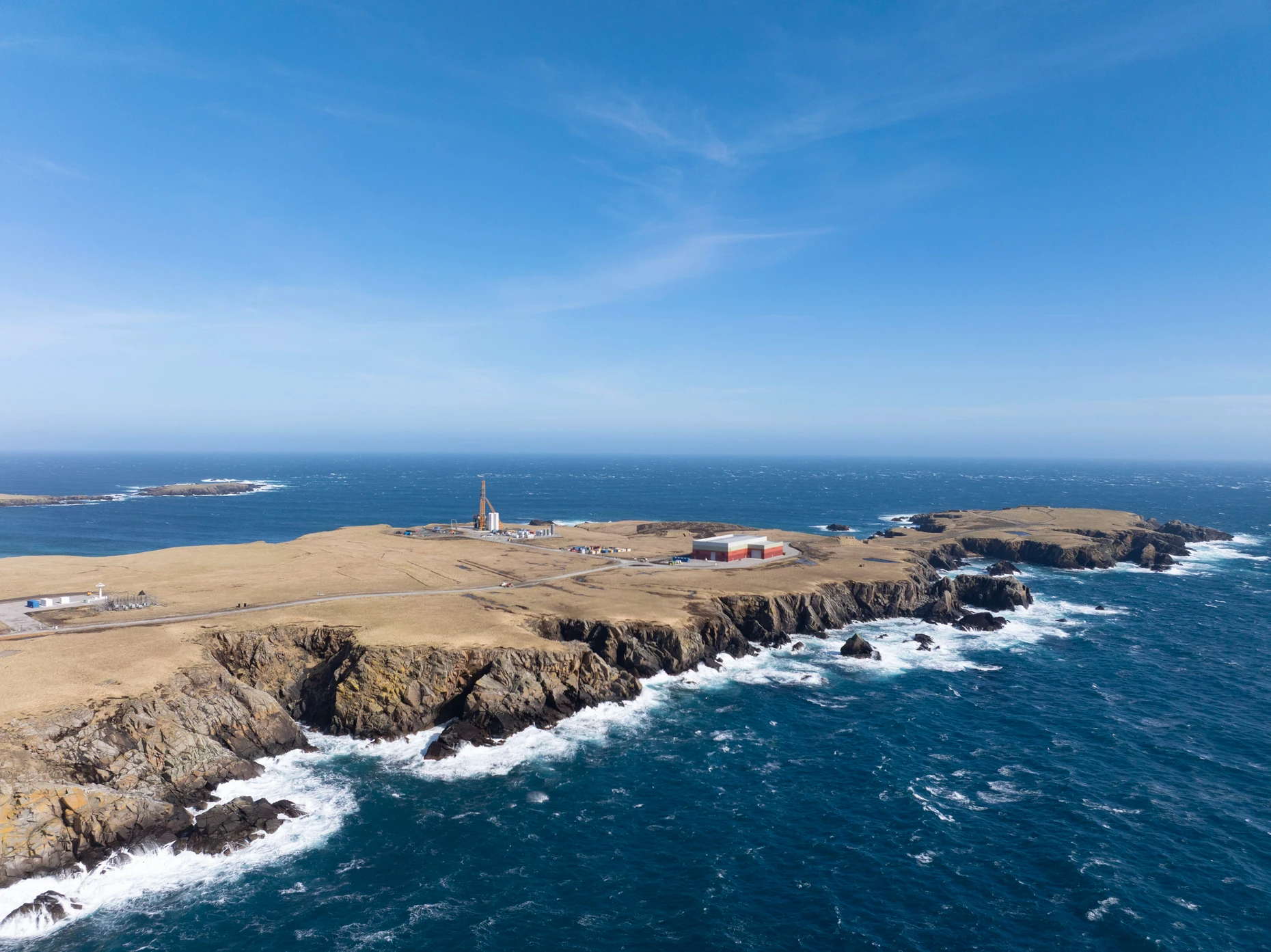
The juxtaposition of British infrastructure and German rockets carries historical weight. The former RAF base at Saxavord, where Rocket Factory Augsburg aims for the stars, was once a British defense post against Germany in World War II. Visible bunkers from that era remain. The coastline suffered bomb hits during the war, and coincidentally, sea otters now reportedly bathe in some of these craters, as Debbie Strang noted. "Today, the Germans are our best partners; it was always clear to us that our customers would come from there," she said.
From Military Base to Spaceport: A Transformative Journey
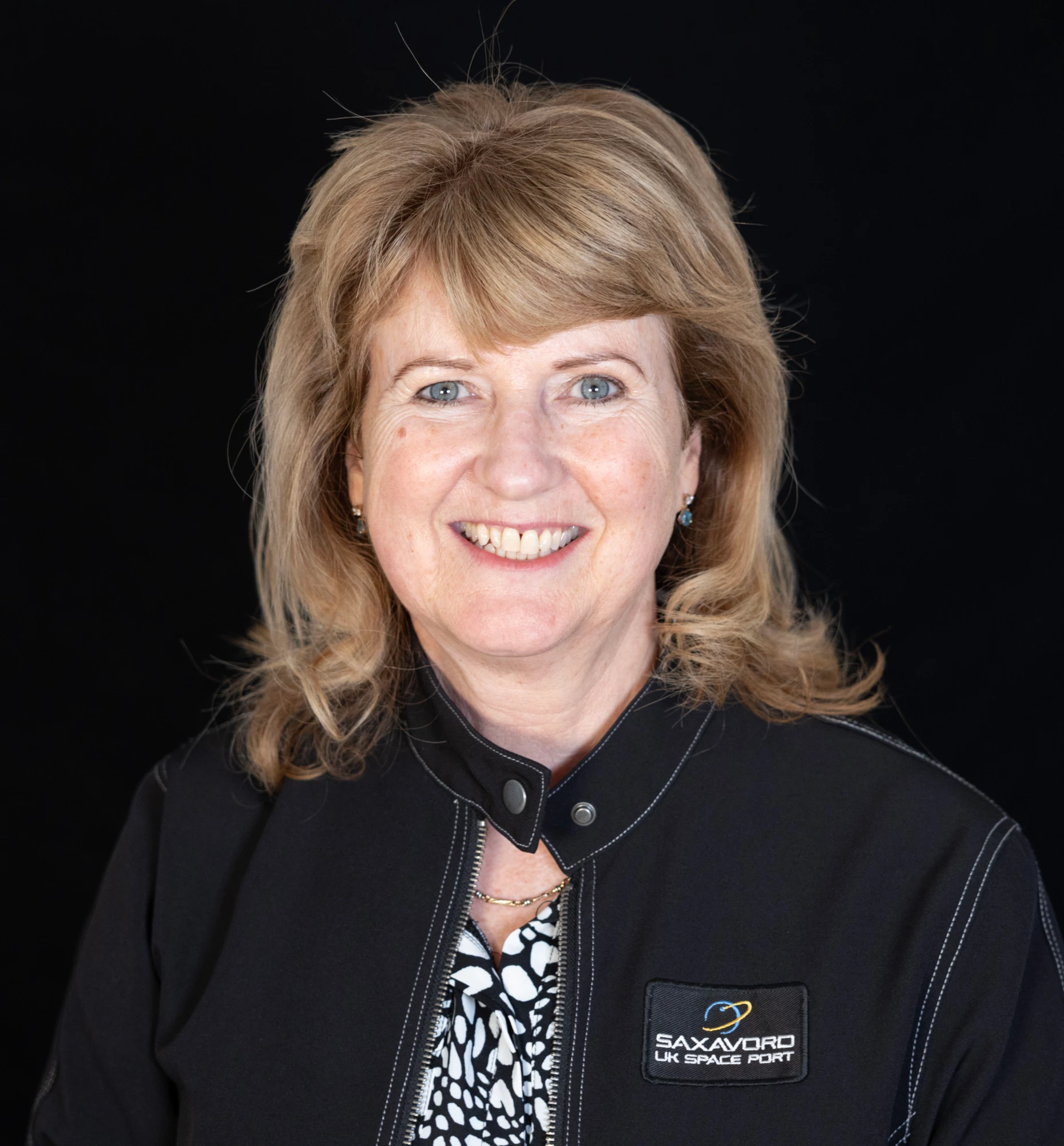
Debbie Strang's narrative reveals the arduous path taken by her and her late husband. They met in the Air Force, married in 1991, and divorced in 2023. Frank, a former sports instructor and then involved in the civilian repurposing of military airfields in the US, brought the idea of converting redundant military sites back to Britain, where the Ministry of Defence was also looking to divest properties.
The Strangs acquired a decommissioned site near Aberdeen and later the RAF base on Unst, which closed in 2006. Initially, they focused on eco-tourism, attracting hikers and birdwatchers to the remote coastal location, utilizing the numerous buildings on the former military grounds. "No one was thinking about spaceflight back then," Debbie recalled.
Vikings, Bronze Age Graves, and the Path to Space
Archaeologists also visited Saxavord, whose name is Old Norse for "Saxa the giant's stone heap." Nearby, a Bronze Age cremation burial ground was discovered. Frank humorously alluded to the island's Viking heritage, suggesting Unst represented "the journey from longship to spaceship."
However, tourism proved challenging, with limited economic incentives for development or marketing on the islands. Residents largely worked in fishing, sheep farming, or for the oil and gas industry. "It wasn't easy for us to find a niche," Debbie stated.
Sheep, Ponies, and the Vast Sea
To sustain their efforts, the couple took on a significant role in housing and catering for hundreds of construction workers involved in the new Sullom Voe gas terminal until 2016. This provided substantial income. "People from the gas industry lived door-to-door with the eco-tourists," Debbie remarked, adding, "We had to take this path to keep going." They also established the UK's northernmost gin distillery, which still operates today.
A turning point came in 2017 with the "Sceptre Report," a government-commissioned study that identified Saxavord as the most suitable location for a UK rocket launch site among several contenders.
Key advantages of Saxavord include its sparse population (fewer than 700 inhabitants across an area larger than Sylt), with ample space for development. The northern launch direction faces only open sea, eliminating the need for complex maneuvers. Furthermore, launching from this high latitude allows for the cost-effective insertion of satellites into polar and sun-synchronous orbits.
Government Support for the "Wrong" Competitor in the Space Race
Polar orbits allow satellites to fly from pole to pole, effectively scanning the entire Earth's surface as it rotates beneath them. Sun-synchronous orbits ensure that satellites pass over the same locations at approximately the same time each day, with similar lighting conditions, which is ideal for comparative measurements in areas like climate monitoring, weather forecasting, and agriculture.
"I couldn't even pronounce sun-synchronous," Debbie laughed. "But the 'Sceptre Report' brought new momentum, even though there was initially a space race, a competition between locations."
Initially, the Scottish government favored the Sutherland project, located on the mainland with better infrastructure and potential for repurposing a former nuclear power plant and its workforce, with additional funding allocated for local structural changes.
An Eagle Breeding Ground and a Protected Peatland
Despite millions in public funds, the Sutherland site on the A' Mhòine peninsula did not succeed. Environmental concerns, particularly regarding its status as a breeding ground for golden and sea eagles and its proximity to a UNESCO-protected peatland, were significant hurdles. Additionally, rockets launched northward would have had to navigate around the Faroe Islands, requiring more fuel and reducing payload capacity.
The Sutherland Spaceport and its parent company, Orbex, have since become insolvent. Saxavord, however, is thriving and has become the focal point for UK space activities. The project has received £10 million in government aid, with private investment four times that amount. The primary investor, holding about 80 percent of the shares, is Danish fashion billionaire Anders Holch Povlsen.
In Memory of the Owner's Murdered Son
Povlsen is one of the largest private landowners in Great Britain, second only to King Charles. In remembrance of his son Alfred, the spaceport's mascot and one of its three launch pads are named Fredo. Alfred, aged five, and two of his sisters tragically died in a terrorist attack in Sri Lanka in 2019.
Saxavord holds a license for up to 30 launches per year. The entire industry is eagerly awaiting the inaugural flight. Debbie Strang remains remarkably calm, stating, "On our end, we are ready. We are essentially just an airport: we rent out launch pads as runways for our customers. The rocket companies are like airlines; we have nothing to do with their technology."
Looking ahead, Debbie, who holds a four percent stake in Saxavord, envisions six operational launch pads within five years. If all goes well, the base will launch satellites on fixed schedules without much fanfare. "The locals probably won't even look up anymore when a rocket launches," she anticipates. "They might just say, 'Oh yes, that's the 11 o'clock rocket.'"
Fresh materials — Society News

The Trier Administrative Court: Why the Trier Asylum Court is One of the Fastest in Germany
On a Wednesday morning, shortly before ten, the brothers Abdul and Josef Salam H. are in Courtroom 1 of the Administrative Court of Trier, lodging a complaint against the Federal Republic of Germany. Josef Salam, 24, fidgets nervously, while his 22-year-old brother Abdul looks aro
IAA Transportation: Trucking Industry Faces Electrification Challenges
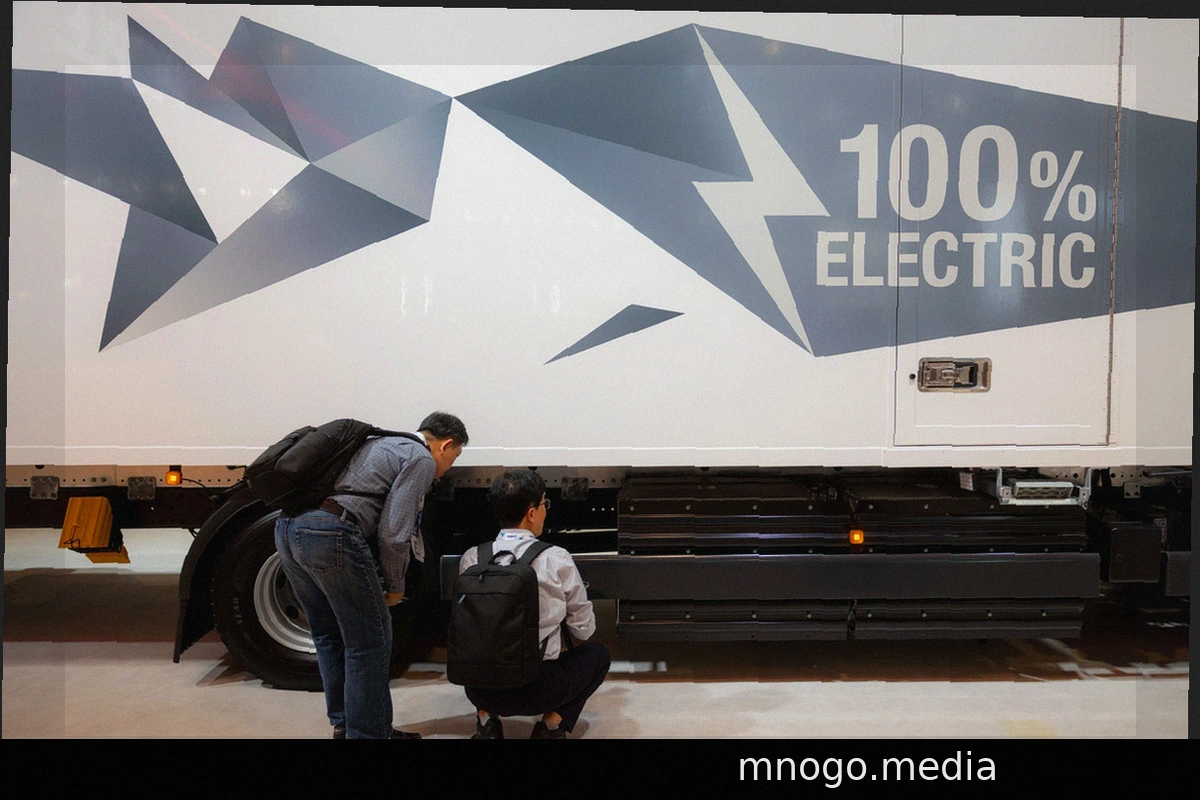
Daimler Truck made a bold statement at the IAA Transportation truck show: "We have delivered." This declaration, displayed prominently on stage, reflects not only the company's confidence in developing a leading electric heavy-duty truck but also growing frustration. The necessary inf

Alexander Zverev Claims Second Major Title at US Open Final
Alexander Zverev was ready. Ready for his opponent's next serve, ready for the next return, ready for the next game in the final. But suddenly, he understood there would be no next game. Zverev had miscounted; he had already won the match. He raised his arms, laughed, and cheered. As

Apple Unveils Foldable iPhone Duo and Other New Products
Apple has launched its inaugural foldable smartphone, the iPhone Duo. Unlike many competing products in a similar form factor, it boasts a comparatively wide 5.4-inch external display and an internal screen that expands to 7.6 inches. To view the inner display, both titanium halves un
Groundwater Dispute: Water for Frankfurt, Drought for Birstein?
The small streams above Birstein have dried up, the meadows are yellow to brown, and cows can no longer find grass. Even the onset of rain doesn't change this immediately. This is because two million cubic meters of drinking water flow from the small Hessian community to Frankfurt eve
When AI Does Everything: Who Wants to Read Anymore?
Literary scholars like Erik Schilling are not the first to herald the impending demise of the author in the face of artificial text generation, styling chatbots like ChatGPT as the unlikely successors to Roland Barthes. Long before the emergence of an "hermeneutics of fear" that constantly per